16 ways to get better gas mileage and save money as Texas gas prices break records
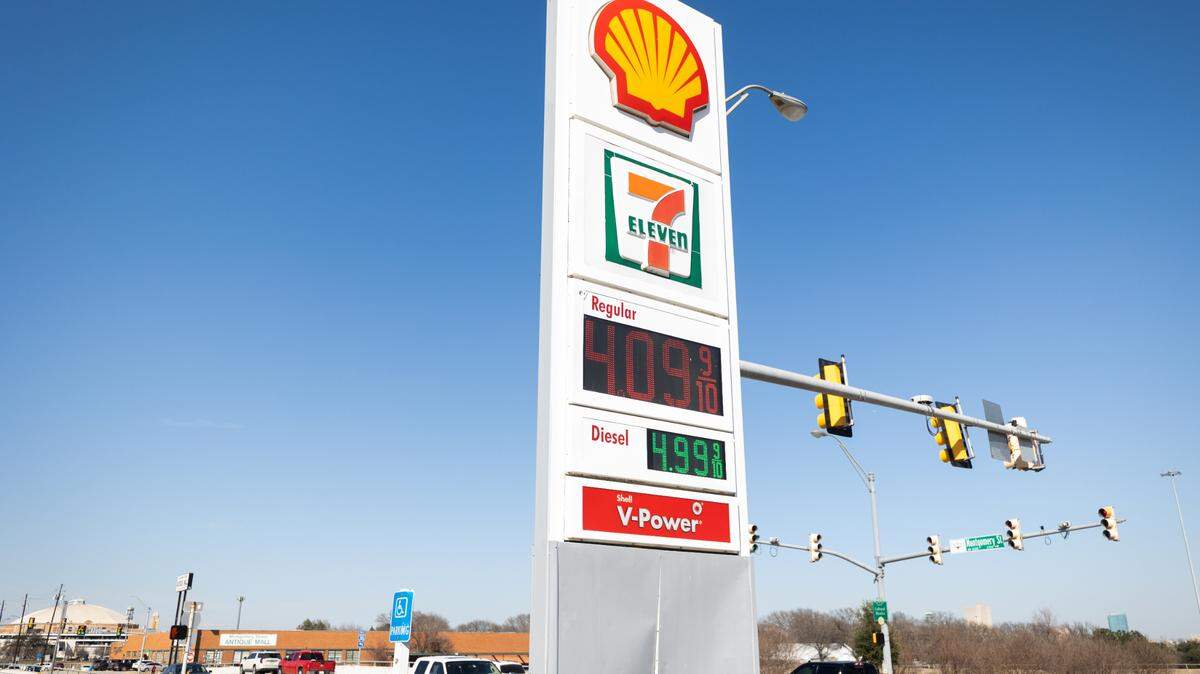
Texans are spending more than ever on gas, and it’s emptying our wallets. As of Wednesday, regular gas in Fort Worth cost an average of $4.18, setting yet another record, while premium gas sets you back $4.76 a gallon.
But there are simple ways to care for your car or truck that can help you save some money at the pump, experts say. Just checking your tire pressure could save you a few dollars per tank.
Here are tips offered by AAA and the Environmental Protection Agency on fuel economy.
[MORE: What’s driving the latest surge in gas prices? ]
Vehicle maintenance
Get your tires inflated. Properly inflated tires increase fuel economy. Every decrease in pressure by 1 pound per square inch (psi) for four tires can decrease fuel economy by 0.2%, according to the EPA. Getting your tires inflated once a month can improve your gas mileage by 0.6% on average, up to 3%.
How do you know what your car’s tire pressure is supposed to be? Most vehicles’ recommended tire pressure is shown on a sticker inside the driver’s door. The side of tires also lists a tire pressure. According to Consumer Reports, this is the maximum safe pressure allowed. Use the recommended pressure shown on the door sticker. Or, check the manual.
Upgrade your motor oil. Check your owner’s manual for the manufacturer’s recommended grade of motor oil. That can improve fuel economy by 1% to 2%, says the EPA. You can also purchase motor oil that contains friction-reducing additives that improve fuel economy. Just look for oil labeled “Resource Conserving” or “Energy Conserving” on the American Petroleum Institute service symbol.
Get regular engine tune-ups. That’ll ensure that your car is running efficiently and can save you time and money in the long-term. Tuning your car can increase fuel economy by an average of 4%, according to the EPA. See your owner’s manual for manufacturer recommendations on when to get tune-ups.
Fix any problems right away. Fixing a serious maintenance problem, such as a faulty oxygen sensor, can improve your mileage by as much as 40%, according to the EPA. Take your car to a repair shop as soon as possible if the “Check Engine” light comes on, says AAA.
Change air filters. Replacing a clogged air filter on an older car can help improve fuel economy by a few percentage points.
Use the right grade of fuel. Use the gasoline grade (regular, mid-grade or premium) recommended by the car’s manufacturer, AAA recommends. You can choose a “Top Tier” gas brand, which contains detergent additives that increase fuel economy.
Monitor mpg. Regularly track your car’s fuel economy, AAA suggests. A sudden drop in mileage can indicate that it’s time for a service.
Driving habits
Plan ahead. Try to finish multiple errands in one trip, and travel outside rush hours when possible. If you can, drive less. Consider public transit in Fort Worth and Tarrant County. Alternatively, you can carpool or use a ride-share program. If you take turns driving with others, you’ll cut your weekly fuel costs in half. You can use HOV lanes when carpooling, which are less congested and improve your fuel economy.
Shift to a higher gear. Start shifting up to a higher gear as soon as you can. Higher gears are better for fuel efficiency. If your car has a manual transmission, upshift as soon as you can without lugging the engine, AAA recommends. You can also save fuel by skip-shifting, like going directly from first gear to third. When stopping, use the brakes rather than downshifting to slow the car.
Use a fast pass on toll roads. They can help you save fuel by minimizing tollbooth slowdowns and stops, AAA says.
Slow down. Make sure you’re driving the speed limit. Fuel economy drops significantly as speeds increase above 50 mph, according to AAA. Each 5 mph you drive over 50 mph is like paying an additional 30 cents per gallon for gas. Reducing highway speeds by 5 to 10 mph can increase fuel economy 7% to 14%, according to AAA.
Avoid hard starts, accelerations and braking. Doing that can increase fuel consumption, AAA says. Accelerate smoothly with light to moderate throttle to save fuel. The EPA says speeding as well as rapid acceleration and braking can lower your gas mileage by 15% to 30% on the highway and 10% to 40% in stop-and-go traffic. Driver feedback devices can also help you improve fuel economy by about 3% and can improve gas mileage by about 10%.
Avoid prolonged idling. Extended idling is unnecessary and wastes fuel. It can use a quarter to a half gallon of fuel per hour, according to the EPA. You pay 2 cents to 4 cents a minute with the AC on and 1 cent to 3 cents a minute with it off. If your car will be stopped for more than a minute, shut off the engine to save fuel. Many newer cars automatically do this.
Use cruise control on the highway. That can help you maintain a constant speed and save fuel. But don’t use it on slippery roads because you could lose control.
Minimize use of air conditioning. In very hot weather, air conditioning use can reduce your car’s fuel economy by more than 25%, says the EPA. And open windows create a lot of aerodynamic drag, which can lower your fuel efficiency when driving at high speeds. So, roll the windows down at lower speeds and use the AC at highway speeds. Letting the hot air out first by opening your windows will put less demand on the AC and help the car cool faster. When it’s hot, park in the shade or use a windshield sunshade to lessen heat buildup inside the car, which will reduce the need for air conditioning. Don’t set the AC temperature lower than needed or turn it on before driving.
Remove unnecessary and bulky items from your car. It takes more fuel to accelerate a heavier car, according to AAA. An extra 100 pounds could reduce fuel economy by about 1%. Minimize your use of roof racks and remove special carriers when you’re not using them. Even an empty bike, canoe or ski rack can reduce fuel economy, and a loaded rack or car-top container will have a major effect on gas mileage. A large rooftop cargo box can reduce fuel economy by 2% to 25%, says the EPA. Rear-mount cargo boxes or trays reduce fuel economy by much less.