
‘Pégale, Chico’: The Fort Worth Cats bat boy who translated for Chico Carrasquel
In 1949, 12-year-old Rudy Herrera was elated to land jobs as bat boy for the Fort Worth Cats and interpreter for newly acquired shortstop Alfonso “Chico” Carrasquel. Interviewed in Spanish by the Mexican consul based in Dallas, Rudy beat out three local Mexican American youths to land the unpaid position.
The Brooklyn Dodgers recruited Chico that spring from Venezuela to bolster a weak Cats infield and to assess his major league potential. The 21-year-old Chico quickly impressed team management, coaches and players with his batting, speed and feline agility to field balls. That season, he batted .315 with 69 RBIs and six homers, helping the Cats to take first place in the Texas League.
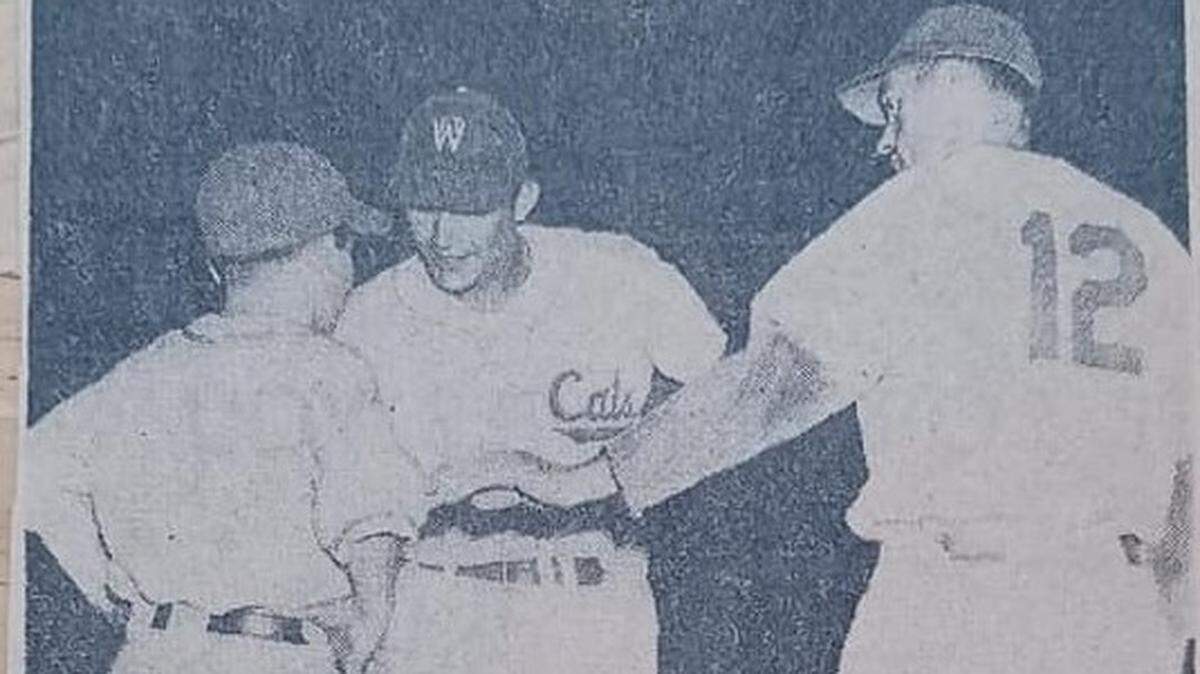
Local sports reporters Pop Boone, Blackie Sherrod and Flem Hall wrote about the novelty of a bilingual bat boy interpreting for a player. In Dallas, the game announcer highlighted the linguistic accommodation. At a home game, coach George Dockins called Rudy to the batter’s box and told him to tell Chico to get a hit. The bat boy said, “Pégale, Chico.” He responded, “Esta bueno.” The Star-Telegram captured the moment.
When fans heard the interpretation, transmitted by Cats staff holding a microphone, they cheered. On the first pitch, Chico nailed a single and drove in Bobby Bragan. Chico’s 6-foot lithe body, superb skills, good looks and foreign mystique endeared him to Cats fans.
.JPG "PHi_j0041(32).JPG")
Rudy relished riding his bike on game days the three-quarter mile trip from his 1415 N. Calhoun St. home to LaGrave Field. He reveled in wearing his uniform, retrieving balls and bats with the other boys, and playing pregame catch with the players. A bleacher fan recognized him as the son of co-worker Sixto Herrera, shouting his congratulations at the boy’s good fortune.
The Spanish-speaking bat boy discovered his interpreter role was a publicity stunt staged by Cats management.
When the team went into the clubhouse to talk about upcoming games and discuss signs and plays, he wasn’t included, relying instead on outfielder Cal Abrams’ Spanish skills. After games, players and bat boys left their uniforms in the locker room for cleaning. The next day, Rudy found all the team’s uniforms freshly pressed and hanging in the lockers except for his. Other bat boys wore white uniforms, home-team colors, and gray when visiting. The Cats never gave Herrera a white uniform. He was allowed to go to Dallas games, but not out-of-state games with the other bat boys, unless one fell ill. The boy never told anyone about the different treatment or the interpreter sham, but he suspected his mother Ester Tamez Herrera knew the truth.
On July 25, 1949, the Cats celebrated Chico Night, hosting over 100 residents from Chico, Texas, and surprising the star shortstop introducing his wife Marcela and 5-month-old son Edgar in the sixth inning, after flying them in. Fans cheered the emotional reunion, showering them with gifts. To assist with the family’s cultural acclimation, the Carrasquels moved to 1413 N. Calhoun St., next door to Rudy’s family.
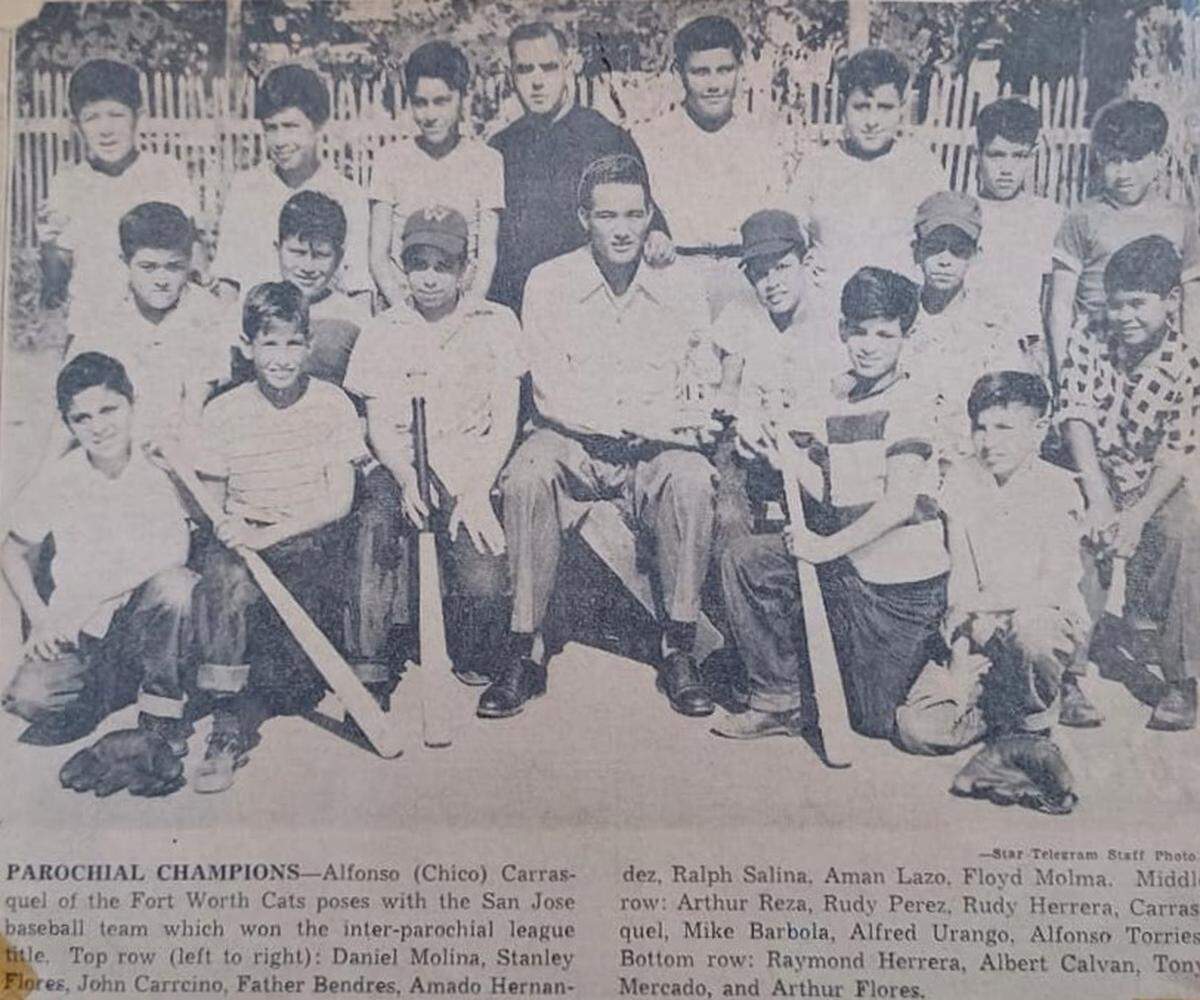
The boy met with them in their backyard, talked baseball and taught baseball terms in English and practical words like toilet paper. Chico visited San Jose Catholic School where Rudy attended and met with the boy’s baseball team several times.
After Chico was traded to the Chicago White Sox the next season, Rudy’s bat boy job ended. Now 85 year old, Herrera chuckled, recalling that bittersweet summer of 1949 when he donned the Cats gray and played the Chico grand interpreter game.
Author Richard J. Gonzales writes and speaks about Fort Worth, national and international Latino history.
This story was originally published April 9, 2022 at 6:00 AM.