Be warned, the egrets are coming. How to protect your neighborhood from an invasion
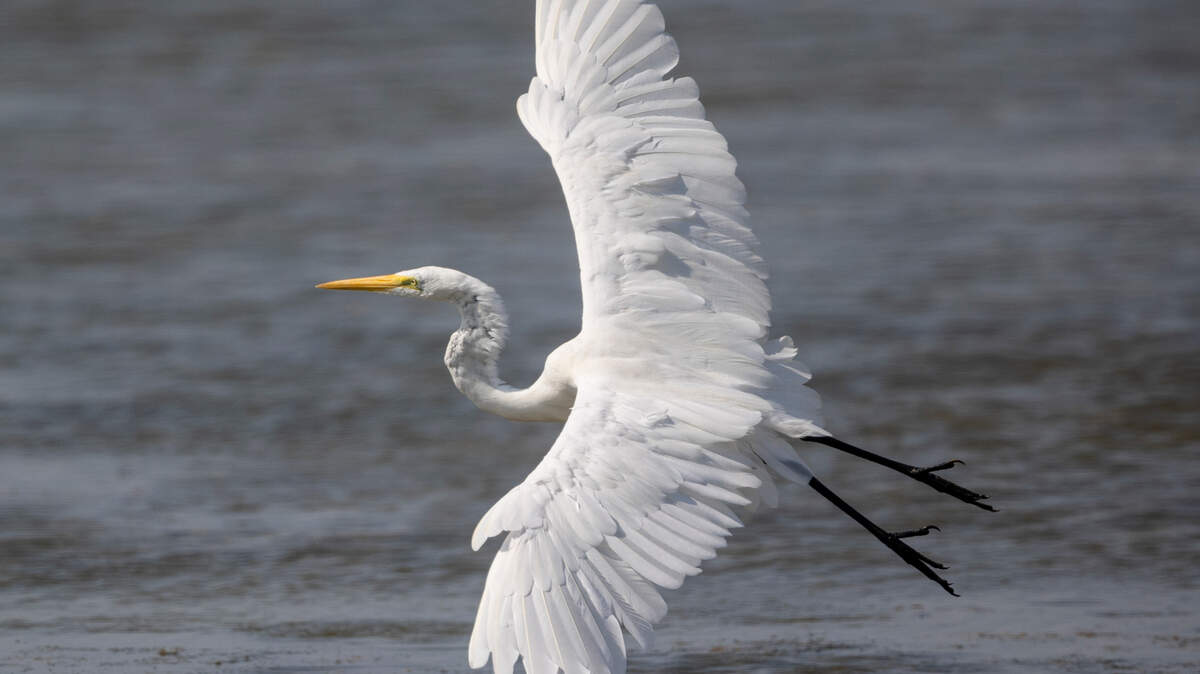
Egrets: angelic, beautiful, annoying.
And they’ll be all over North Texas cities like Coppell, Carrollton, Arlington and Fort Worth from the end of February through June.
Now you may be thinking, what’s so bad about a few cute birds?
As many as 200 egrets nest in a single neighborhood, producing white poop and plumage that covers roofs, trees, sidewalks, vehicles and driveways.
“It really can devastate a neighborhood whenever they come in in droves of birds and they start nesting,” said Chris Lirette, the city’s animal control supervisor.
In past years, the Fort Worth neighborhoods of Tanglewood, Candleridge, Wedgwood, Candle Ridge West, Kingswood Place and Sterling Creek have been invaded by the birds. Egrets have made 1,000 or more nests in some neighborhoods.
Residents have complained about the noise, smell and property damage.
Animal experts and city officials are warning neighborhoods to protect themselves before the egrets start nesting. Here’s how.
How to deter egrets
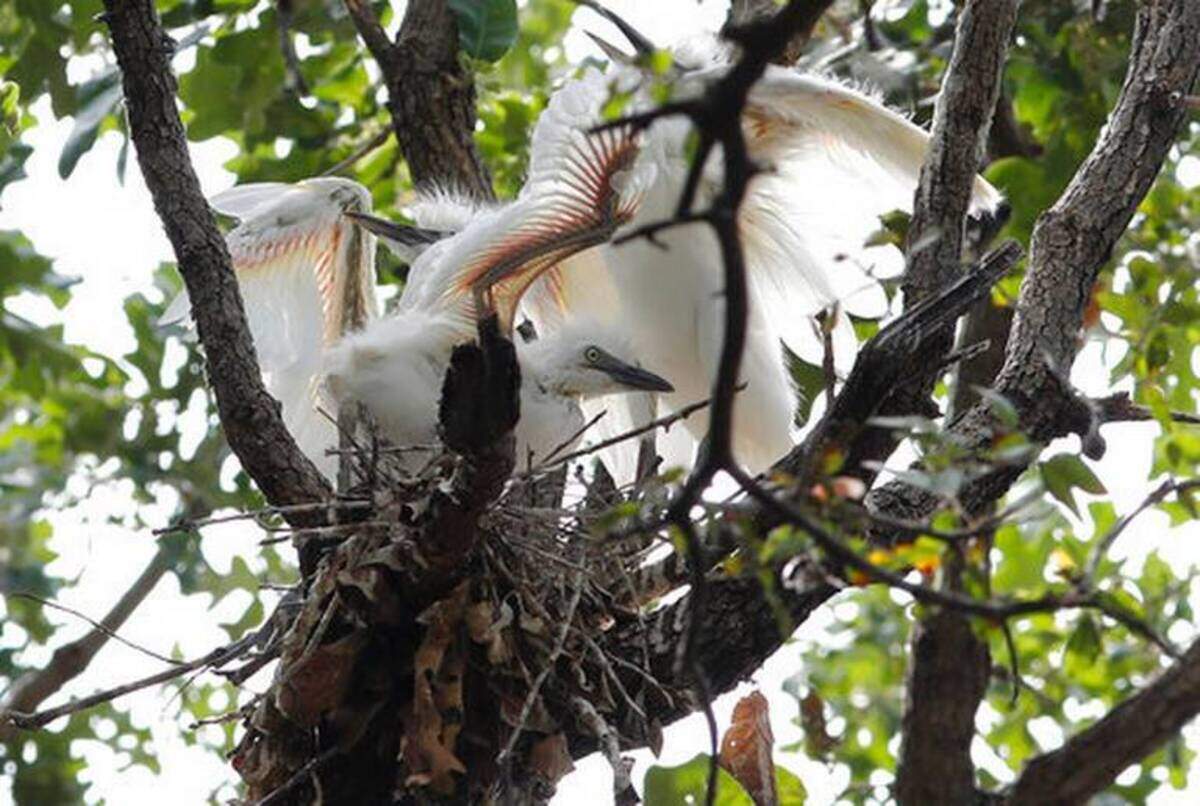
When great egrets, cattle egrets (the most common) and snowy white egrets start nesting and producing eggs, they’re protected from harassment under the Migratory Bird Treaty Act of 1918. That means they’re granted protected status under the treaty in an effort to ensure wildlife diversity and conservation.
That’s why animal control officials are encouraging residents to keep birds from nesting in neighborhoods by:
- Trimming trees before the birds arrive, until light can come through the branches. This is the most effective way to prevent the birds from nesting, because egrets are attracted to areas with dense canopy cover. Residents often work together on a neighborhood tree trim.
Looking out for tall, long-legged wading birds with long, S-curved necks and long, dagger-like bills that make squawking sounds. If you spot an egret or another heron in your neighborhood, call animal control at 817-392-1234, or report it in the MyFW app.
- Using deterrent tools like air horns, loud bells or banging pots and pans if you spot them. In some cases, pyrotechnics or a propane cannon may be used by local animal control.
- Hanging reflective streamers or mylar tape in the trees or scary-eye balloons filled with helium above the trees.
That way, the birds will find a wooded area to nest that will be safe for them, and residents can protect their property. Otherwise, a rookery (a large number of egrets nesting together in a concentrated area) will form in a neighborhood.
“They tend to return to the same location to nest year after a year. So if there has been an active rookery in a neighborhood in the past, it’s likely that the birds will return,” said Rachel Richter, DFW urban wildlife biologist at Texas Parks and Wildlife. “Rookeries that existed in small numbers, where people were aware of the birds, but the birds weren’t really a nuisance, one year, the size of that rookery may drastically increase.”
It’s harder to deter birds that arrive later in the season, so it’s best to start early if it’s been a problem for your neighborhood in the past. Once the birds nest, it becomes illegal to remove or disturb them, so residents just have to wait the season out.
What animal control is doing
Fort Worth and Arlington animal control officers are working with residents to prevent rookeries from forming in neighborhoods, especially in areas they’ve previously swarmed.
“We’d like them to be along the rivers or along the creek, not up in the neighborhoods,” Arlington Animal Services field operations manager Ray Rentschler said.
In Arlington, there are three areas egrets typically flock to: Central Arlington, Southwest Arlington and Lake Arlington. To see where egrets or other wildlife are, use this interactive map.
“When the neighborhoods do get them, and we find out about it, the first thing we do is education, because we want to get them pushed out as fast as possible,” Rentschler said.
Egrets have been coming to Fort Worth neighborhoods since at least 2011, Lirette says. Wooded areas where the egrets had flocked to were made into developments, so the egrets had to find new places to nest.
About 250 egrets nested in Fort Worth last season, but that number could easily be doubled to 500 without preventative measures, Lirette said.
“Right now, we’re kind of on the ball as far as making sure people know what to do, how to keep them from coming into their trees, with making sure that they understand to clean up their yards,” Lirette said. When he gets a call about an egret sighting, he goes to the neighborhood to prevent the bird from nesting.
There was one idea floated last year: drones.
Fort Worth animal control has had a drone for five months and is currently training officers to use it, mainly to track down injured animals. But they may also try using the drone to find egret nests, Lirette said.
While it’s a high-tech solution, experts say it might not be that practical. The drones could get caught in or hit trees where the egrets are found.
How city officials are preparing
Last year, a senior resident had over 100 egrets nesting in her front yard.
“It certainly had financial impacts on her and on a number of residents” due to property damage, said District 6 Councilman Jared Williams.
After receiving several such complaints from residents about the birds, Williams decided to take action.
Over the past year, Williams said he has been working with Fort Worth Code Compliance to coordinate city services and resources to address migratory bird patterns and their impacts on residential and commercial areas within the city.
The plan is comprised of four parts:
- Education: Making residents aware of the issue and what their role is. An educational video with Texas Parks and Wildlife will be launched.
- Strategy: Ways the city can deter the birds include noisemakers, tree trimming, etc.
Partnership: Working with federal partners including Rep. Kay Granger, U.S. Fish and Wildlife Services and the Army Corps of Engineers. “They’re all interested in figuring out ways to mitigate economic impact and also help conserve a protected species like egrets as they’re migrating from habitat to habitat,” Williams said.
Sanctuary: Promotes open space conservation efforts. More on that below.
In December, the city bought 275 acres of land near Benbrook Lake, 40 of which will be preserved as part of the city’s Open Space Conservation Program. Rock Creek Ranch Park will not only become the city’s largest community park, but also a sanctuary for egrets and other migratory birds, Williams said. The park won’t be developed until after the 2026 bond election.
“We always encourage open space and letting any wildlife have their space,” said Omar Bocanegra, wildlife biologist at the U.S. Fish & Wildlife Service’s Arlington field office. “If we can encourage the egrets to use areas that are city land or public land at the park, that is more conducive for them to complete their life cycle, that’s better than them setting up in a neighborhood.”
To help residents prepare for the upcoming egret season, Williams will be holding a community meeting on Monday, March 7 at 6 p.m., at Westminster Presbyterian Church, 7001 Trail Lake.
What federal and state agencies are doing
“We work with communities that are dealing with a nuisance rookery and provide them assistance on what to do to prevent this from happening in the future, and also help them navigate the laws and regulations surrounding nuisance rookeries,” Richter of Texas Parks and Wildlife said.
Alongside them, the U.S. Fish & Wildlife Service monitors the rookeries, takes calls about egrets from cities and holds educational workshops.
This story was originally published February 25, 2022 at 5:00 AM with the headline "Be warned, the egrets are coming. How to protect your neighborhood from an invasion."