Does Fort Worth have a unique fashion style? Just ask these Dickies-loving trendsetters
Tony Green wanted to make an entrance for the live taping of his podcast’s 2019 holiday episode.
So Green stepped on board a pontoon boat that cleans the Modern Art Museum of Fort Worth’s glassy reflecting pond and wore an outfit he hoped would stun his crowd: a double-breasted velvet merlot blazer, a voluminous crinoline overlaid with burgundy and black fabric, and — of course — a pair of cowboy boots.
Nearly three years later, Hotel Dryce owner Jonathan Morris, who witnessed Green’s glamorous entrance, points to that moment as an indicator of what fashion could be in a modern Fort Worth.
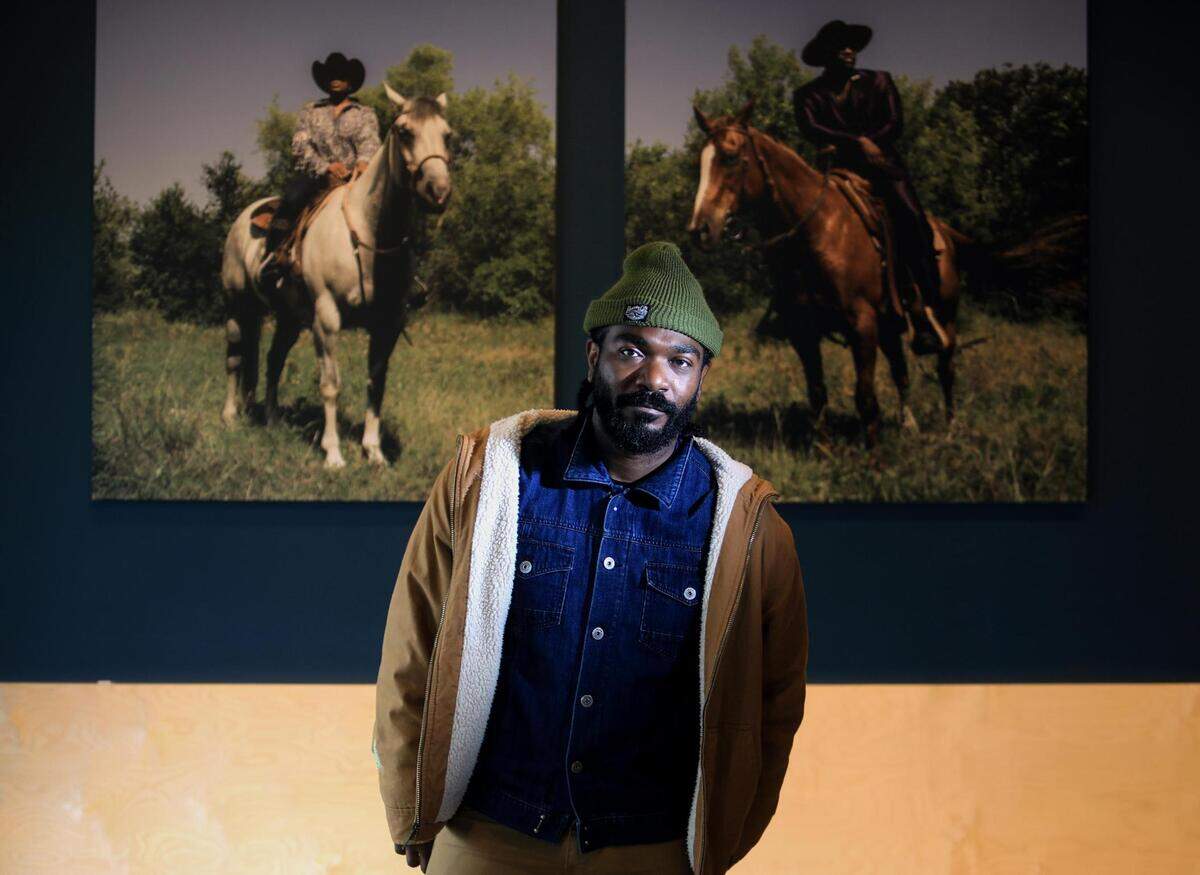
With his outfit choice, Morris said, the “Hello, I’m Tony Green” host “spits in the face about what masculinity is, what a cowboy can be.”
“That is Fort Worth. It doesn’t matter what you feel about it. It’s the truth.”
The essence of Fort Worth’s evolving sense of style lies in that juxtaposition — between workwear of decades past and designer clothes of today, between Western classics like bolo ties and cowboy boots, and more contemporary looks.
The evolution of that individualistic, rugged but approachable Fort Worth style is undoubtedly influenced by the city’s rapid growth. Transplants from around the country, drawn by the relatively affordable cost of living, are contributing to a distinctive fusion that nods to Fort Worth’s cultural roots while pushing boundaries in unique ways.
Case in point: For the first time in recent memory, local designers and business owners staged a fashion week in Fort Worth modeled after those in larger cities. Phillip Maximilian, who founded the Fort Worth menswear line Mener Grand Train, spearheaded the events last week that included a runway show featuring a local designer, a tour of Camp Bowie Boulevard boutiques and an exhibit of TCU’s historic costume collection.
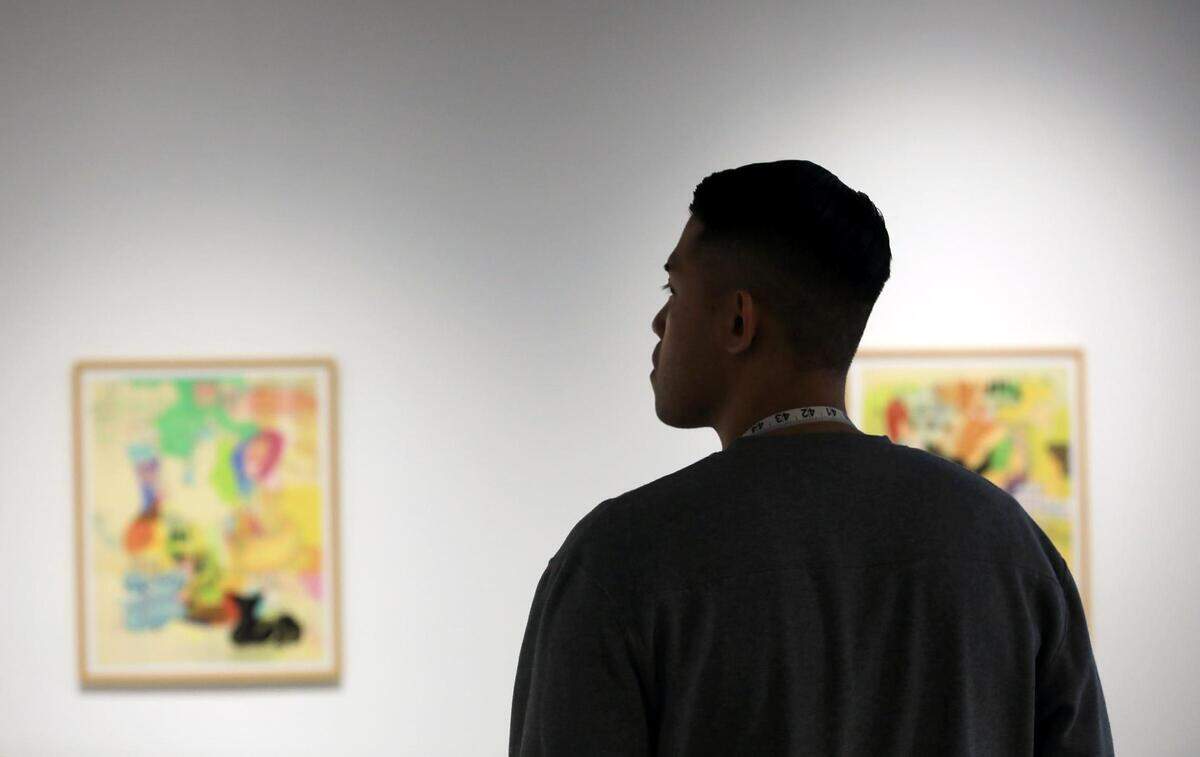
Regardless of whether Fort Worth Fashion Week becomes an annual event, the fact that the city is now home to influencers who took this first swing at a celebration of local style is telling: Cowtown is redefining what it means to be fashionable in Fort Worth, and, according to local tastemakers, anyone can contribute.
Fort Worth’s red carpet
Global fashion revolves around two focal points: collections for fall and collections for spring.
The equator of Fort Worth fashion, however, is unique to Cowtown. It spans about four weeks and kicks off in mid-January: the annual Stock Show & Rodeo, a tradition dating back to 1896.
During this year’s Stock Show, impeccably dressed attendees filled the lobby of Hotel Dryce to sip craft cocktails after an evening of watching the country’s best cowboys and cowgirls compete at Dickies Arena two blocks down the street.
“It was bolos. It was furs. It was Stetsons,” said Morris, describing the scene. “It was a cross section of everyone’s own version of what a rodeo-style cowboy is.”
The Stock Show “is like our little red carpet,” said Laura Simmons, owner of Studio 74 Vintage on Camp Bowie Boulevard in Fort Worth’s Cultural District.
Classic Western wear — cowboy boots, belt buckles, pearl snaps, bolo ties — isn’t the only tenet of Fort Worth style, but these timeless staples anchor many wardrobes throughout the city.
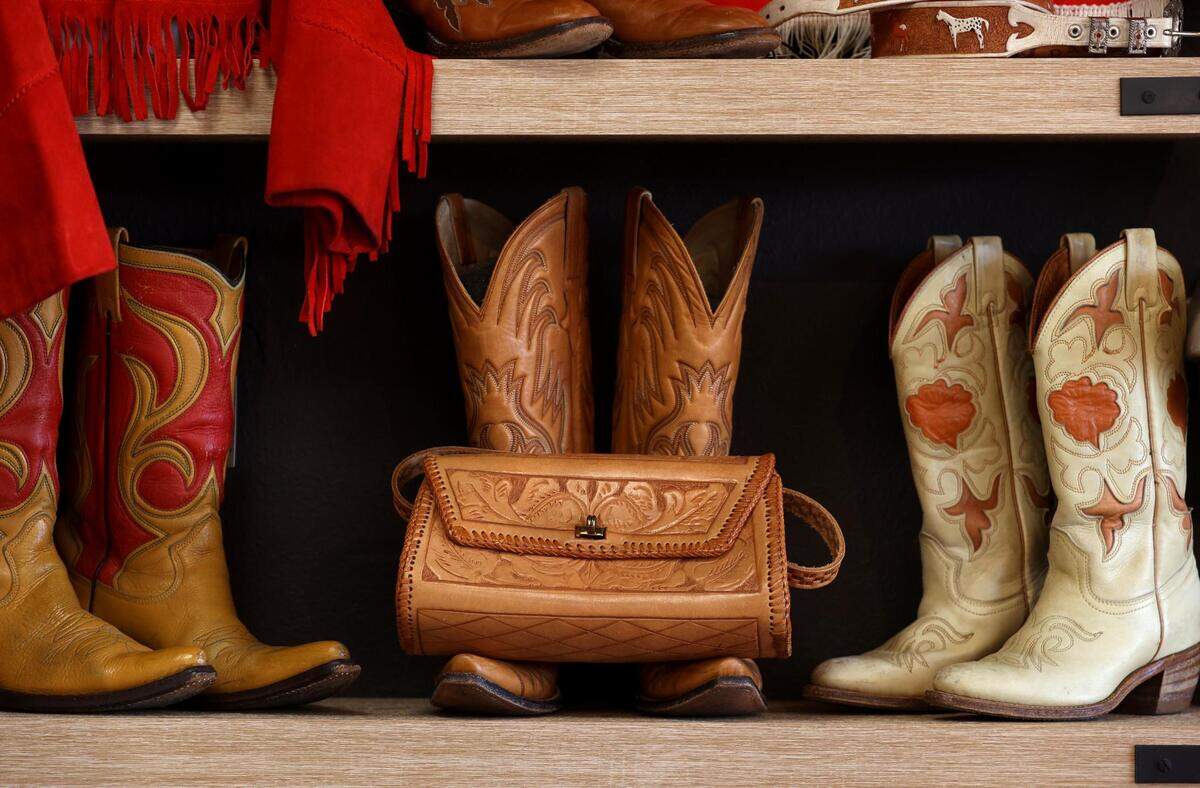
And, iconic craftsmen of Western wear have been contributing to Fort Worth’s style story for more than a century.
For more than 140 years, Fort Worth-based Justin Boots has evolved and updated the traditional cowboy boot, pioneering the use of decorative stitching. If you’re unable to drop hundreds of dollars on new boots, you can find countless broken-in pairs at Fort Worth’s vintage shops, like Simmons’ Studio 74.
Increasingly, Fort Worth style is marked by putting your own spin on Western wear.
William Cuthbertson’s contribution to local fashion started as a pandemic hobby until his friends persuaded him to start sharing his wearable art. His Instagram account, “Bo Lowlife,” showcases and sells bolo ties he repurposes using vintage and found objects for the clasps.
His work mixes the simplicity of a bolo tie with the beauty and whimsy of cool collectibles. On his feed, one bolo tie is bound by a vintage red pill box that says “down the hatch.” Others are clasped by vintage NASCAR replicas.
When it comes to Western attire, Cuthbertson loves bolos and pearl snaps. “My head is way too big to rock a cowboy hat and not feel like I’m a cartoonist cowboy from a Primus video,” he says.
But you don’t have to be an artist or a designer to put a personal spin on Western wear.
Head to a TCU football game, where young women incorporate Western staples into their looks by pairing contemporary dresses — in purple, of course — with Justin Boots, said Sally Fortenberry, director of the school’s fashion merchandising program, which educates students about the soft goods supply chain.
“I don’t know that that would have translated, but it does today,” she said.
As Western styles become more riffable, they’re also more accessible — even to Fort Worth’s many transplants.
“You may not be a fifth generation Texan like my husband, but you can feel comfortable,” Fortenberry said.
Hometown wares
Sitting in the lobby of his Cultural District hotel, Morris isn’t wearing cowboy boots, but he fits in.
Clad in chocolate brown Dickies work pants, a sky blue canvas jacket, ivory sherpa high-top Converse and a flat-brimmed corduroy cap that read “Fort Worth,” his outfit mirrors the lobby.
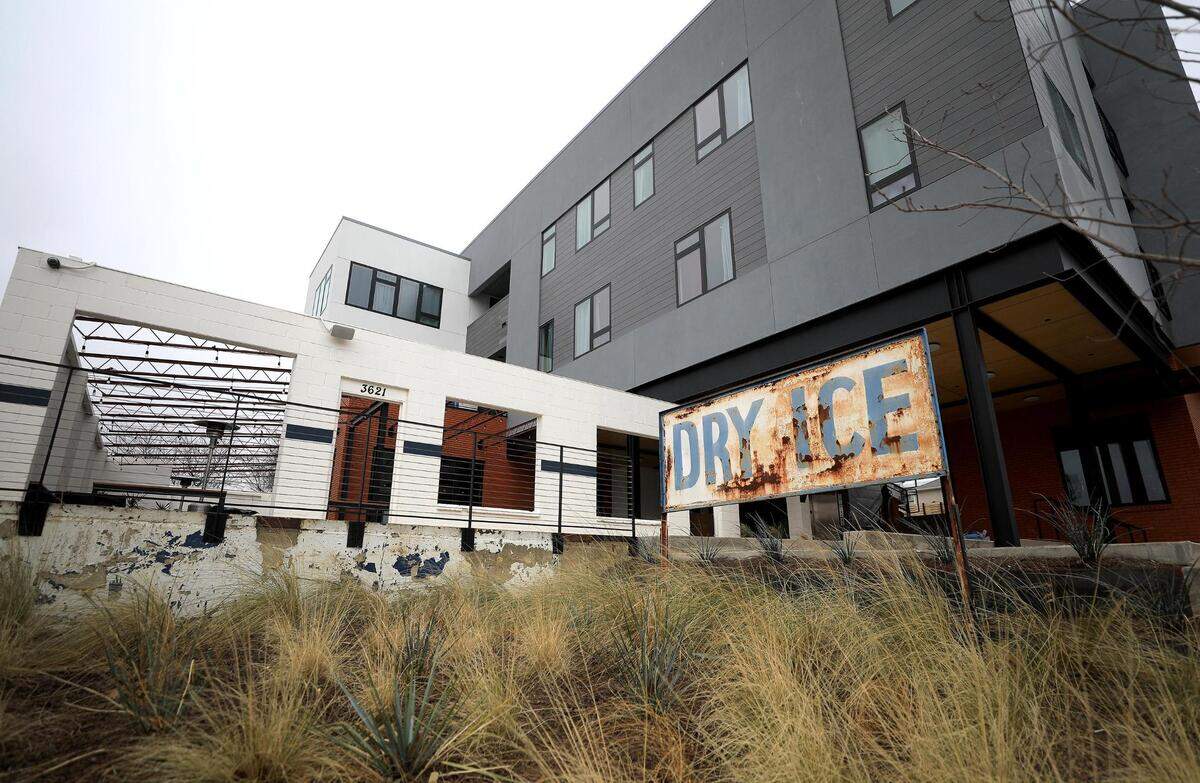
From the color blocking of warm Southwestern tones to the prevalence of canvas, both his outfit and his hotel’s decor reflect his unique spin on Fort Worth style.
An assortment of Hotel Dryce merchandise, including a caramel-colored pair of Dickies coveralls, is on display across from the hotel’s check-in booth.
Founded in 1922 in Fort Worth, Dickies has been outfitting American workers for the last century.
“All our staff wears Dickies,” said Morris. “We’re working, so workwear makes a lot of sense.”
One hundred years later, workwear isn’t just for the farm; it’s chic, and thanks to Dickies, pretty affordable.
“If you have a job, you can probably afford a pair of Dickies,” said Morris. “And it’s like the hometown team, so that’s cool.”
At the same time, it’s never been easier or more stylish to rep much smaller hometown businesses.
As Fort Worth’s food and bar scene has gotten more attention, so has its merch.
“The wares are getting cooler,” said Green, who is also a service industry pro. He has acquired a collection of trendy caps from his favorite Fort Worth bars.
“Like it’s not taboo to wear your Chat Room shirt working a shift down the street at the Boiled Owl. And vice versa. You just rep your bars. Nickel City? You can wear that shirt anywhere,” he said.
‘It’s Dickies and designer’
In designing the website for her vintage boutique, Simmons came up with a tagline that not only describes the store but also explains Fort Worth fashion.
“It’s where cowboys and culture collide,” the website will read. “I would say that Fort Worth’s fashion is about as eclectic as its people,” she said.
That’s something you often hear when talking to the city’s influencers and fashion experts. Basically, Fort Worth fashion is what you want it to be.
The choice to belt a pair of Dickies coveralls or finish a modern outfit with a bolo tie doesn’t just express a Fort Worthian’s individual style; it reflects how that person sees their town, said TCU’s Fortenberry.
As a result, “You can have cowboy chic,” she said. “You can also have elevated designer.
Put even simpler, “It’s Dickies and designer,” Morris said.
As challenging as it can be to define a growing city’s nascent fashion, exploring Fort Worth on a sunny afternoon makes clear pockets of the city have developed individual senses of style.
On West Seventh Street, “collegiate fashion remains the mainstay,” said Green, and in the areas around TCU, you’ll see “oversized tees and some urban streetwear.”
In Southside, looks become “a little bit skater-inspired” with plenty of denim.
“And that goes down to the Stockyards, and that becomes, add a cowboy hat, a bolo and some boots, and you’re Fort Worth,” said Green. “You’ve done it in a day.”
Fort Worth’s first fashion week capitalized on this notion.
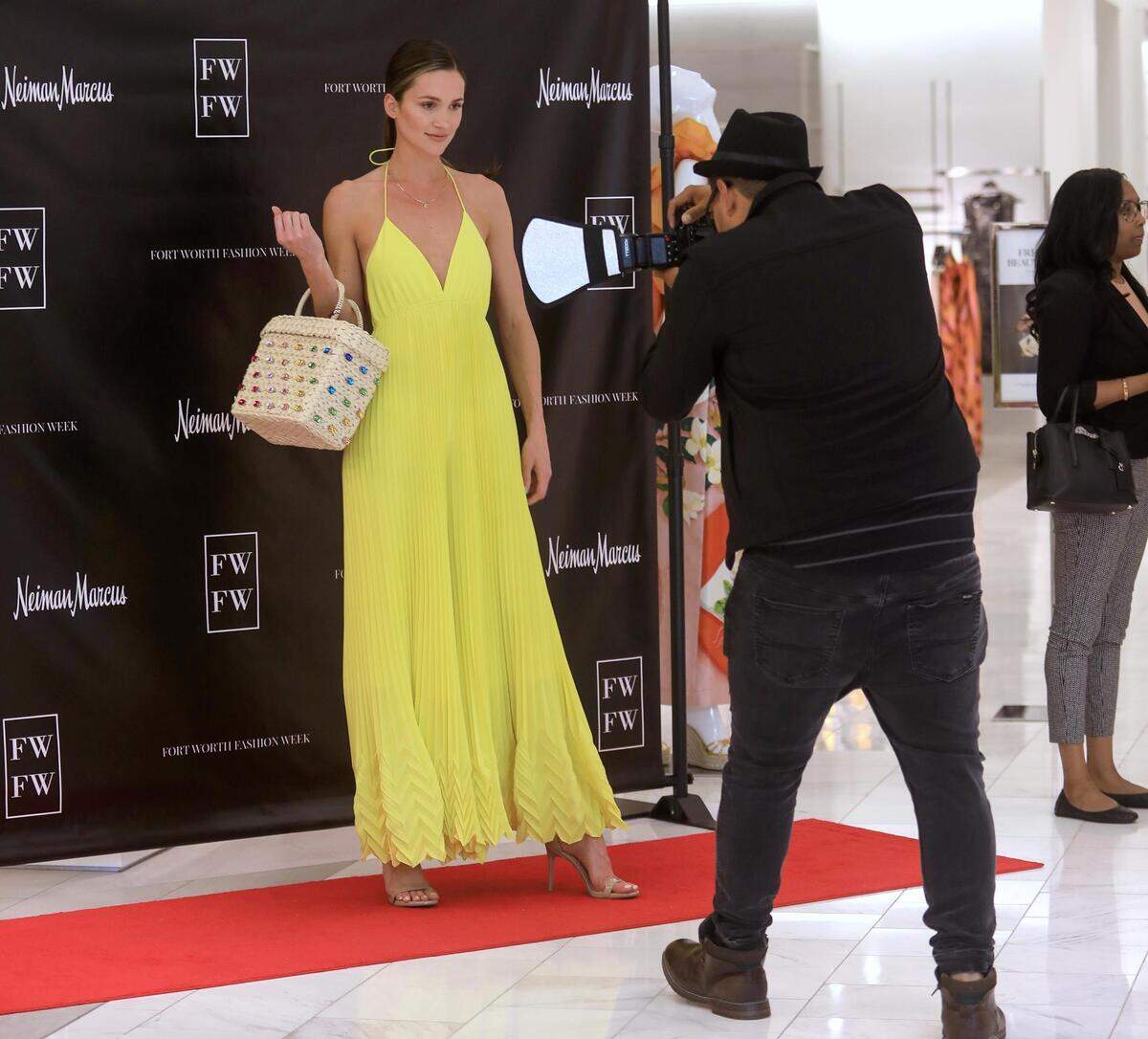
Events throughout the city reflected the kaleidoscope of style within the city. The Neiman Marcus event showcased high fashion available to shoppers at The Shops at Clearfork. The tour of boutiques along Camp Bowie Boulevard’s Fashion Row highlighted unique independent shops and vintage stores.
“We know Fort Worth has different styles,” said Maximilian, the fashion week organizer. “That’s why we chose different areas.”
Is Fort Worth ready?
When it comes to Fort Worth fashion, Morris warns folks not to lean too hard into conflating the city’s style with Western wear, at risk of oversimplifying the city’s culture.
“How do we not caricature Fort Worth?” he asks.
Western staples are critical to the city’s history and its fashion, but tropes “speak to a novice, but doesn’t speak of any nuance.”
Instead, it’s time to to embrace the multiplicity of what Fort Worth fashion could be — taking nods from the past and contemporary designs, embracing the influence of native Fort Worthians and the many new people moving to Cowtown.
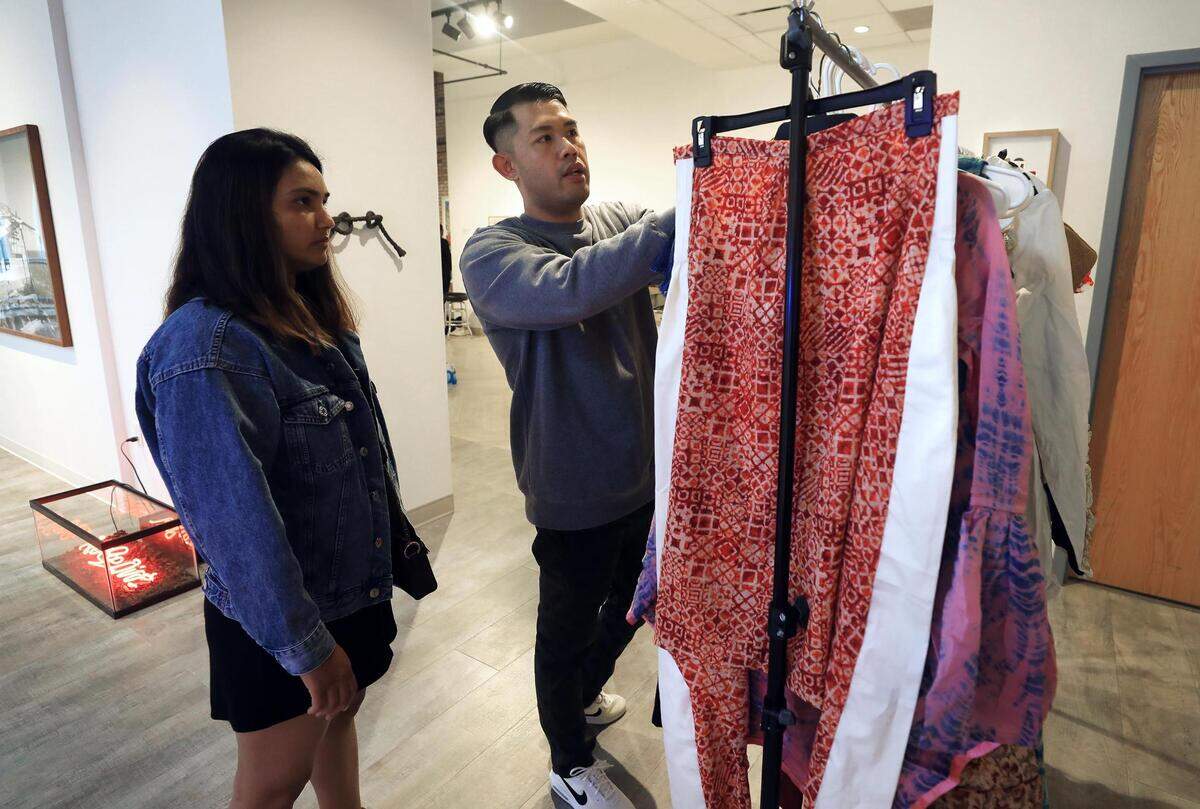
“Every one of these people is saying something about Fort Worth,” Morris said. “You can always add to what we have.”
But that requires looking around.
“I think as long as we are open and willing to see what we have here, then yes, we’ll embrace it. But I think a lot of times, people just don’t bother to look,” said Fortenberry.
For those keeping track of Tony Green’s looks, paying attention will be a little easier.
Fort Worth’s self-described “ambassador of happiness” recommends, “Wear something where you know you’re going to get your flowers.”
This story was originally published February 27, 2022 at 6:00 AM.