
The history of Mexican ballet folklorico in Fort Worth traces back to this woman.
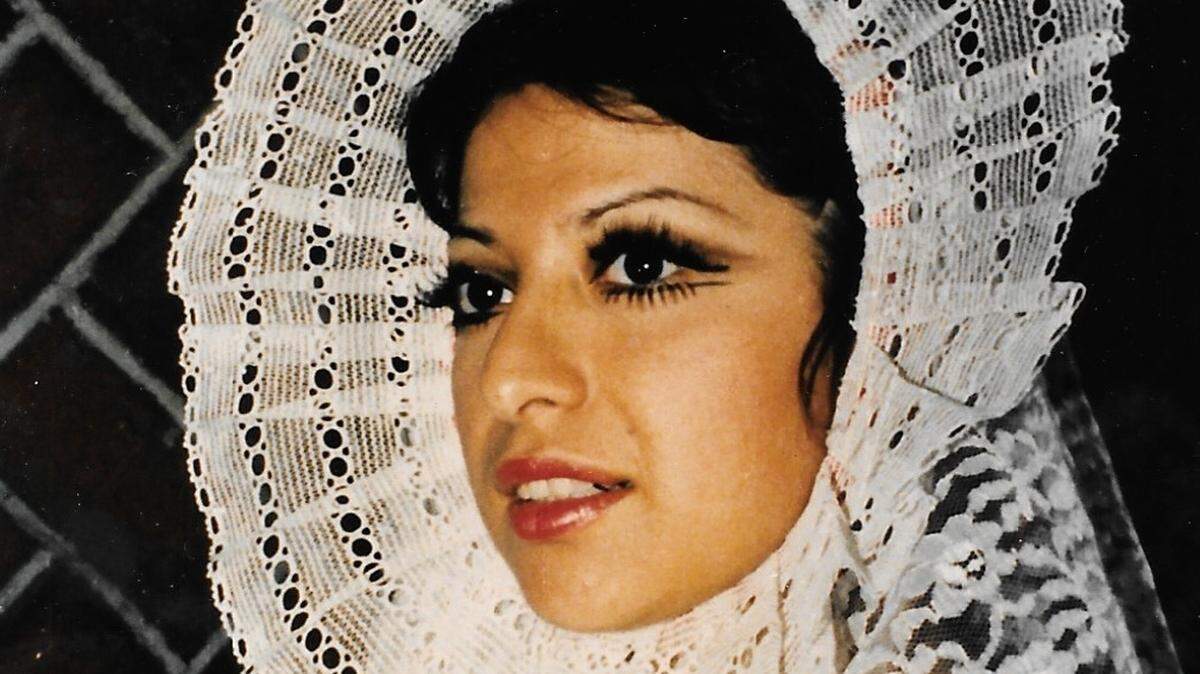
Although Mexican musicians, singers and dancers had performed in schools, churches and the Rose Marine Theater in the 20th century, never had a professional level ballet folklorico group planted roots in Fort Worth until the arrival of Bertha García.
In 1973, José Gonzales, (no relation to this writer), director of Fuerza de los Barrios Chicanos, traveled to Mexico City to seek Spanish language curriculum for Fuerza trade school programs. Without an appointment, he called from a phone booth to the Mexican secretary of education and secured the books he sought. Impressed with a ballet folklorico performance at the Universidad Nacional Autónoma de México (UNAM), he spoke with the director, secured funding, and hosted the dance troupe.
Under the direction of Angelina Geniz, the UNAM Ballet Foklorico performed at TCU’s Ed Landreth Hall, All Saints Catholic Church, Trimble Technical High School and Tarrant County Community College in 1974. The inter-cultural exchange roused pride among Chicanos to their authentic beauty and introduced Bertha García, a member of the UNAM dancers, to educational opportunities
After returning to Mexico, García contacted Esther Pérez, a Fuerza board member, seeking information on enrollment to the University of Texas at Arlington’s master’s level economics program. She attended UTA one year with an academic scholarship, but her priorities shifted to her first love: Mexican ballet folklorico and the arts.
García worked full time as a counselor at Housing Opportunities during the day and at night and on weekends formed Ballet Folklorico Azteca de Fort Worth in 1979. With Pérez’s assistance, she secured funding from the Arts Council, Tarrant County, National Endowment for the Arts and local contributors. A board formed and formally incorporated as a 501(c)(3) arts organization in 1982 with the assistance of Congressman Jim Wright.
García acted as artistic director while Pérez, an avid community volunteer, promoted the dance group and introduced García to Mayor Kay Granger, Arts Council director Ken Kahn, Sister Cities, Anglo arts and Chicano community leaders. They recruited instructors, dancers, gained school principals’ approval to teach after-school art, music, and dance classes, and received acclaim from art agencies for their impressive performances.
Chicanos and Chicanas discovered their Mexican artistic roots. Over 200 youth, from ages 5 to 30, participated in the art programs each year, but the actual performing company consisted of the 20 best dancers. They wowed multiracial audiences with Mexican regional costumes, music and dances at the Main Street Festival, New Year’s Eve celebrations, Pioneer Days, Mayfest, Stock Show Rodeo, and Mexican historical celebrations.
After years of rehearsing at schools, police training academies, and community centers, they secured funding in 1993 for a salon at the Vinnedge Building on North Main. García formed two new dance groups: Danza Cultural for the elementary school age children and a young adult group Izcalli.
García, 50, died from cancer in 2002, leaving Pérez to carry on the folklorico legacy. She plowed forward until 2010 when management demands grew so overwhelming she ended the programs.
In her lifetime, García received honors from the Hispanic Women’s Network, United Hispanic Council, and was recognized as one of 12 awardees of Outstanding Woman of the Year in Fort Worth in 1993. Ballet Folklorico Azteca de Fort Worth performed in Japan, Hungary, Germany, Mexico, and throughout the US, gifting Chicano youth with life-changing vistas.
When Gonzales brought back Mexican books and dancers, he introduced Fort Worth to resplendent beauty of Mexican rhythms and sowed strong Mexican cultural roots.
Author Richard J. Gonzales writes and speaks about Fort Worth, national and international Latino history.