The Fort Worth swamp rat invasion of 2020 has come to a tragic end
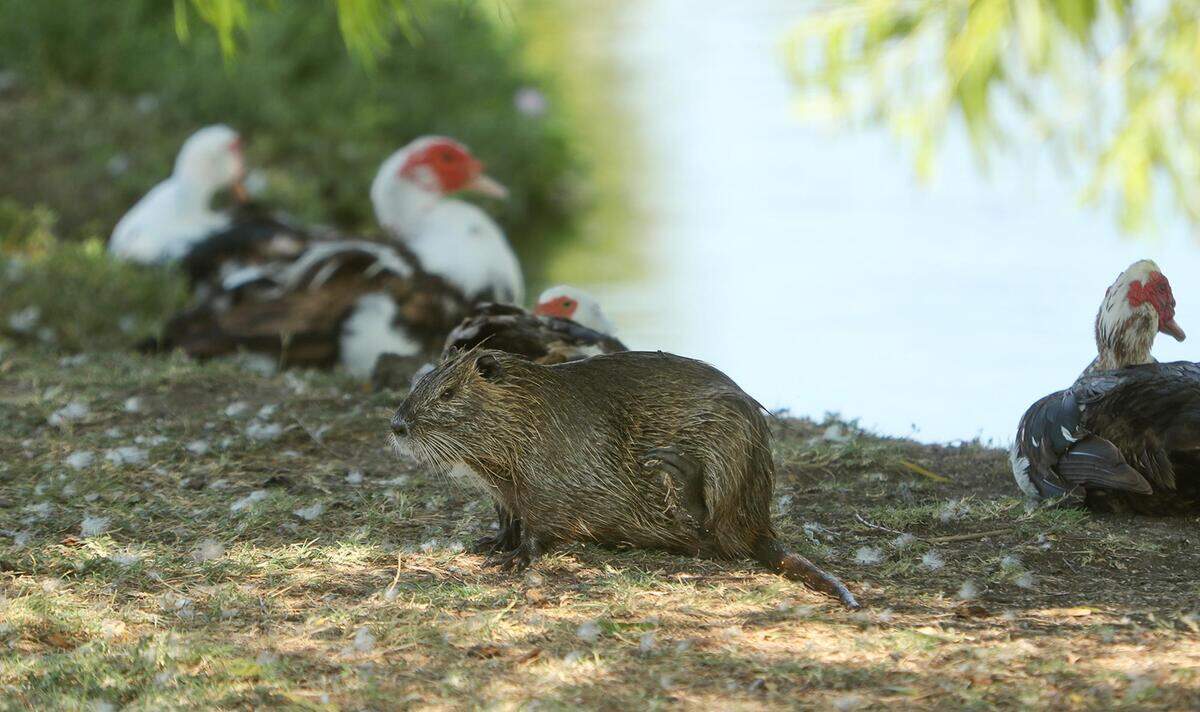
The city of Fort Worth is removing a colony of nutria from a Fort Worth park and euthanizing them to prevent damage to the local habitat.
But the euthanization is not without just cause, as an urban biologist explained. Nutria, also known as coypu, can be found in Central Texas and on the Texas coast in marshes, swamps, ponds and lakes, but they’re considered an invasive species and can cause damage to their environment, said Dallas-Fort Worth urban wildlife biologist Rachel Richter.
Richter said she’s noticed a large population of nutria at Krauss Baker Park for years, and the colony appeared to be growing as people fed the critters.
“As exotics, they couldn’t/shouldn’t be relocated,” a Fort Worth spokeswoman said about the nutria. “The Parks Department is working with Code Compliance to ‘depopulate’ them.”
“Depopulate” equals euthanized.
The spokeswoman said the parks departments works closely with licensed and authorized wildlife staff, and frequently has to relocate various wildlife throughout the year. But in this case, our little swamp rat friends could not be relocated anywhere.
Richter said relocating the nutria would only result in the same level of destruction at another place, and their removal from Krauss Baker Park “is an opportunity for our native wildlife to flourish.”
“I trust that the City of Fort Worth assessed the situation and developed an appropriate management strategy to reduce the damage caused by the nutria,” she said. “There simply isn’t any good natural area in Texas for nutria.”
The main way the coypu cause problems is by burrowing, according to Wildlife Damage Management, an online resource supported by a grant from the U.S. Department of Agriculture. Their burrows can weaken roads, stream banks and dams. The Rodents of Unusual Size can also eat up to three pounds a day, so they can quickly destroy vegetation and habitats around bodies of water.
The state of Louisiana even pays people to kill nutria because they cause so much damage to the wetlands. For the 2019-2020 hunting season, the Louisiana Department of Wildlife and Fisheries raised the nutria bounty from $5 to $6, USA Today reported.
It’s not really the nutrias’ fault that they become an uncontrollable infliction. Fur traders brought the coypu to the United States from their native environment in South America, where seasonal droughts kept their population under control, according to Columbia University. But in the U.S., and, say, an urban Fort Worth park, there’s nothing stopping them from breeding to out-of-control numbers.
As of Tuesday, code compliance had caught 31 nutria at the park and euthanized them. About 30 remained at Krauss Baker Park, awaiting their fate.
This story was originally published August 18, 2020 at 11:30 AM.