Protesters share racist experiences in Fort Worth about employers, police and strangers
For two weeks, protesters in Fort Worth have marched through the city demanding changes in how people of color are policed. Many say George Floyd’s death in Minneapolis was another example of the extreme cost of racism within the country’s police departments. And in the general community, Black people might experience racism in hundreds of other ways in their daily life.
The Star-Telegram asked protesters of color about the racism they’ve experienced in Dallas-Fort Worth. Here’s what they said.
Answers have been edited for clarity and length.
Desmond Atkins, Fort Worth
I’m from New York. I’ve lived in Fort Worth since 2009.
I work in the service industry in pest control. And you’re not in control with who you come into contact with and some people are just nasty.
One particular account, they ended up canceling. They said they would “rather not deal with people like me,” I overheard. Because of my job, I’m not allowed to say anything. And my supervisor was unable to help me.
I gave them good service. It just seemed like once I took over the account, I was the issue. What does it mean that I’m Black to those people? I’m polite, I’m on time, I do my job.
My daughter has experienced racism too: When Trump was elected, a boy told her she was going to be deported back to Africa. And we’re third-generation Americans.
Carol Harrison-Lafayette, 54, Grand Prairie
I was actually called the n-word myself by a group of white people. It was last year, it was right after Atatiana Jefferson was killed. We were on I-35, they were driving and yelled the n-word. It was cars that was filled with them, and they blurted out the n-word while we were protesting.
It did not hurt me as much as it would hurt somebody who is not aware of who they are. The n-word bothers so many African-Americans, and it has to do with understanding the culture, the history, the hate behind that word: the n-word. It was meant to really, really humiliate the African-Americans back in the slave days.
Corey Ellis, 51, Fort Worth
I’ve experienced racism in restaurants, going to sports bars — if you go to certain places wearing something like Jordans, they won’t let you in. They say if I have on Jordans or Air Force 1s, if someone steps on them, I’m going to fight them. And the majority of people who wear those shoes are Black people. White people wearing the same shoes go in. I also remember we ran from people one Halloween who were throwing eggs at us from the back of trucks.
Janet Ellis, 54, Fort Worth
People think that we haven’t experienced racism. People think racism doesn’t happen.
My family moved into Forest Hill in 1979 when it was predominately white, now it’s mostly Black and Hispanic. For almost a year or longer, we were followed in and out from the time we got off the freeway to our house by the police. We were followed by neighborhood kids with guns that told us to go back to Africa. And that was in the ‘80s.
Kids tried to set fireworks off by our house, but the police said it didn’t happen. This was stuff we had to learn to accept. One of the kids who did some of those things, he went to college and wrote us a letter apologizing because he realized it wasn’t right.
We have a son at SMU. We were taking him back to school — our youngest son went to a convenience store and by the time he touched the door handle, they had called the police and they followed him through the store. Nobody should have to experience that. We have three Black sons — that’s something we think about all the time.
My son at SMU had perfect scores of everything and people assume he’s there for sports, that he didn’t make that on merit. The people I work with that I love, they assume he got sports scholarships.
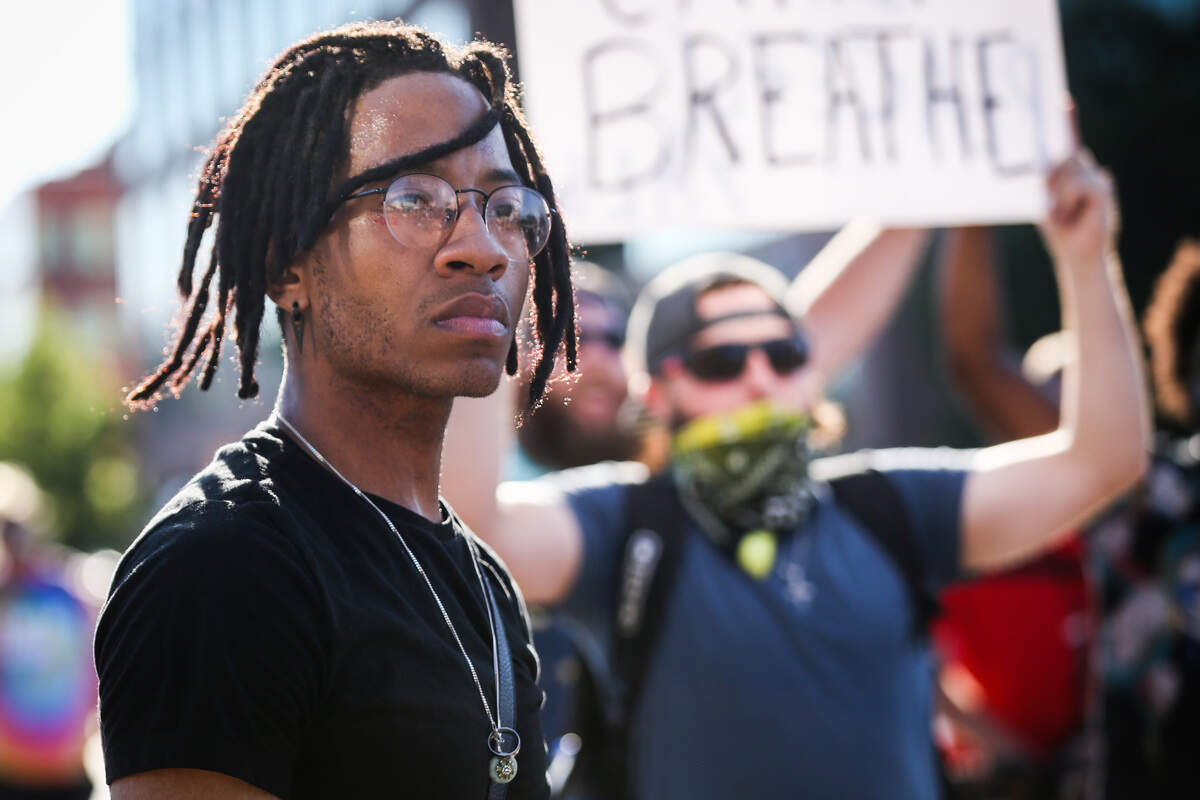
Lucid Shinobi, 23, Fort Worth
I was serving once and they disrespected me in front of all the other customers. They were doing it very abruptly, very vulgarly, like saying “Hey Whiz! Hey Mr. Black Guy!”
Other times, it’ll be like car threats, but that’s normal, we’ve been going through that since we were kids. A car will drive by, someone will yell, “stupid n-word,” or “I’m going to shoot you!” People in big-ass trucks, they’ll yell “you don’t belong here!”
Donnell Ballard, 49, Fort Worth
This white police officer was following me in a store. I looked back and thought, what is this man doing? And I couldn’t figure it out. Something told me to leave that store and go into another. I left there, went into another store, and he followed me again. I went to the next store, three minutes later, he went into that store. That’s when I called the police on the police. And when I did that, guess who came to my rescue? That same officer. And he said, “What can I help you with, sir?” And I said, “Why are you following me?” And he said, “That’s part of my job.” And I said, “No, it’s not. Your job is to catch the real crooks out there. I don’t have no kind of record, never been to prison, so why would you follow me? You’re doing it because you’re harassing me and think I’m stealing. Sir, every African-American does not steal.”
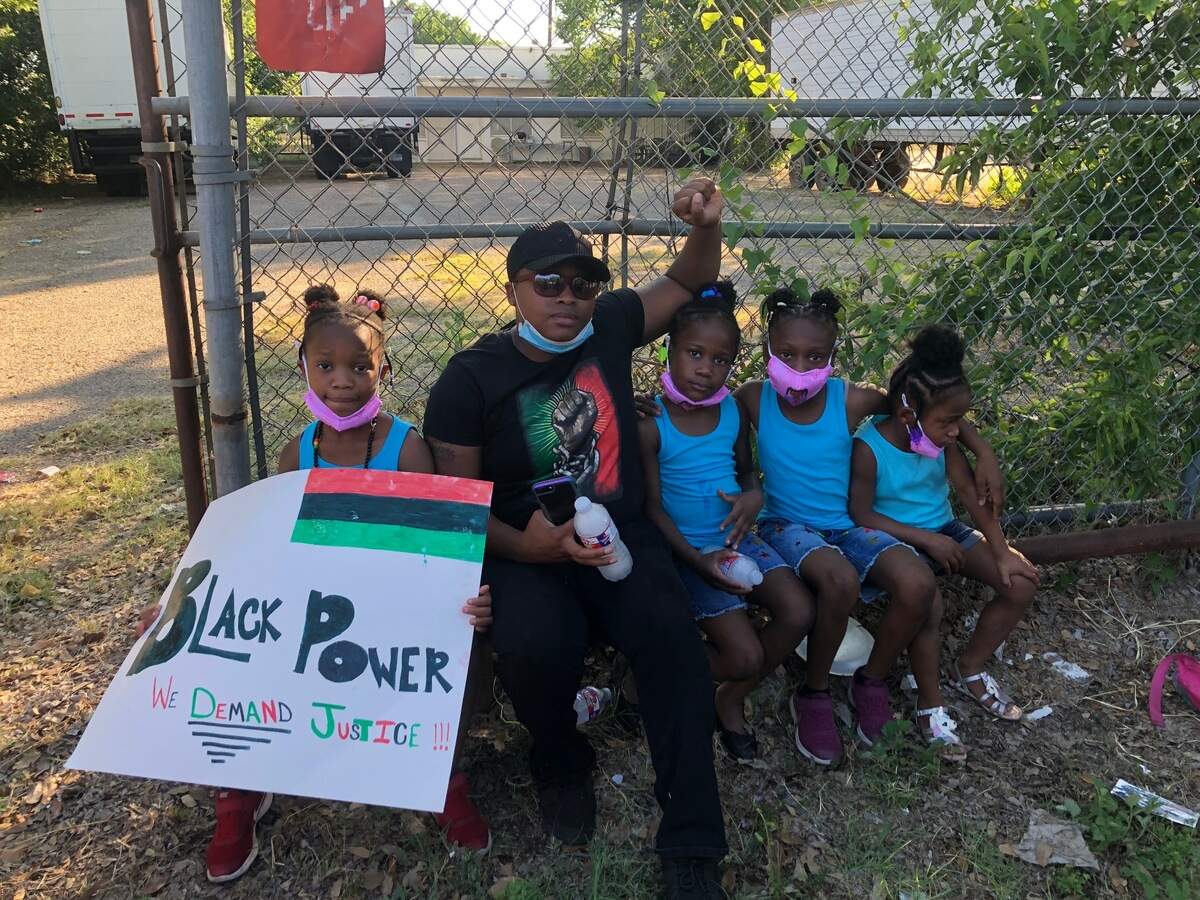
Raymona Grant, Fort Worth
I’ve experienced racism in Louisiana quite a bit. Since I’ve been here, I’ve experienced it even more. Its in the way we’re talked to when I go to the kids’ school. More so at work, I experienced it. I can be overqualified for a position and they can give it to someone else. And they don’t have the experience I have, but I don’t get the job. I worked in a warehouse where we were worked harder than others. Even when new hires got hired, they were sent to do light work and Black people were sent to do harder labor. A lot of people went to HR. I ended up resigning from that job because that happened a lot.
People are very dismissive of Black people. It’s like they don’t have to be as respectful as they would be to others. Seventy percent of America is white people so you can’t really run from it in America.
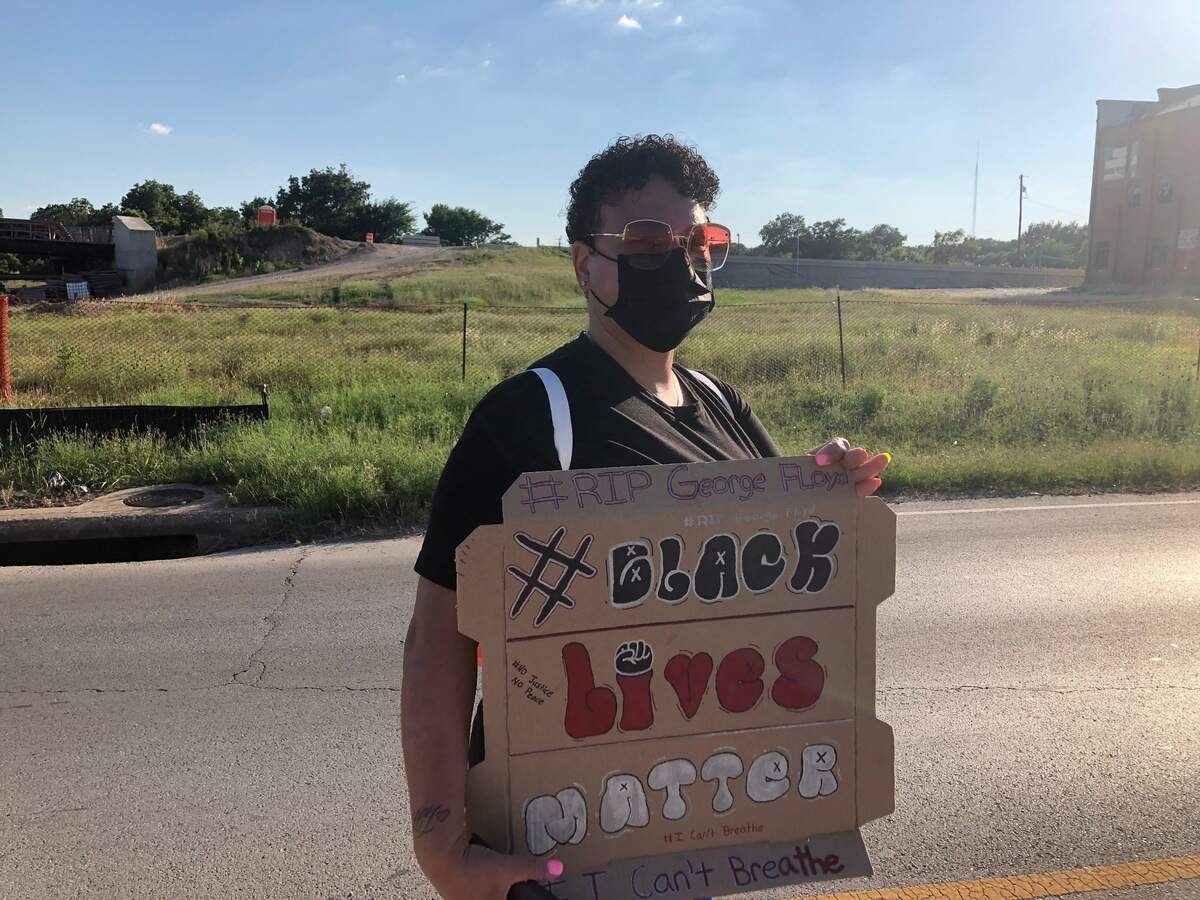
Lillian Senior, Arlington
I’ve been in Dallas-Fort Worth about two years now.
There’s racism in the workplace. I work in Grand Prairie at a mechanic shop. People get preferential treatment, they are allowed to not do their jobs, they get special projects. And meanwhile people who are hardworking, they get looked over. It’s mainly the Africans, African-Americans and Mexicans. There’s a lot of tension.
I work on a team of 16 men. Being a Black woman, it’s hard to say whether I am being treated unfairly because I’m Black or because I’m a female. I have a pretty strong personality so people aren’t going to come at me like that — it’s just different. And you have to be nice to them because you work with them every day. This guy has a problem with me. I had to talk to my supervisor about it, and my supervisors lied and said he took him to HR but he didn’t. It’s like they get protection and I don’t really understand it.