
Fort Worth’s first Mexican American city councilman rose from El Pozo, or The Hole.
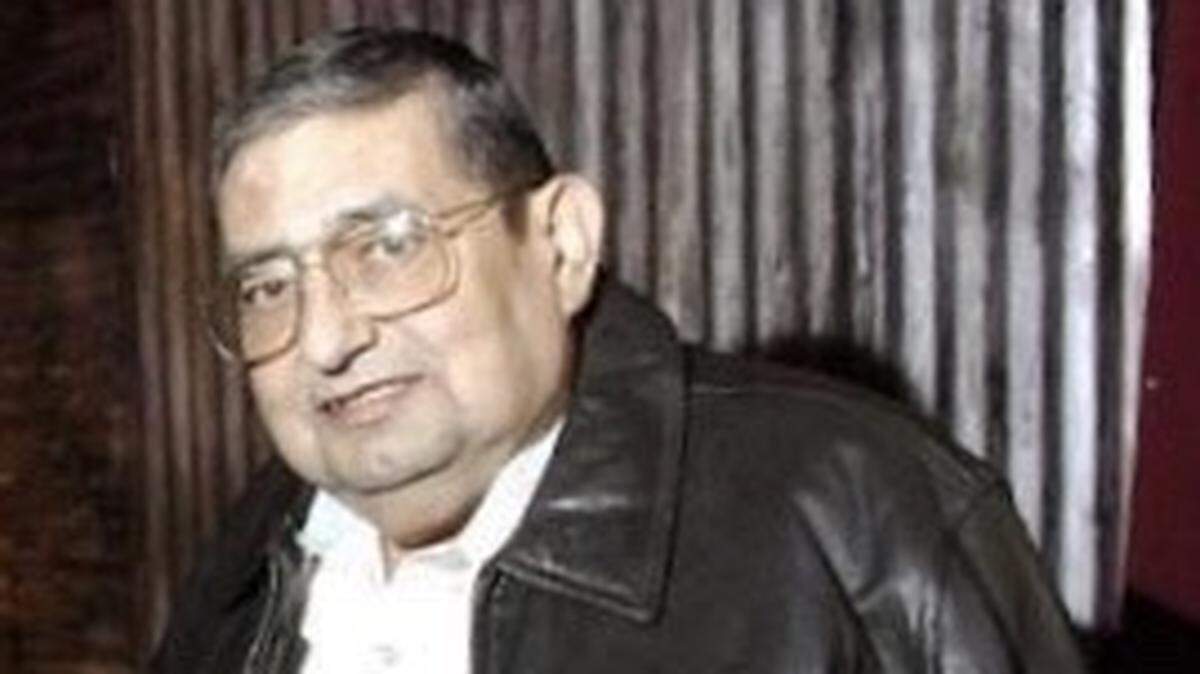
After 104 years of the city’s incorporation, Louis Zapata, the first Mexican American Fort Worth council representative, was sworn into office on April 19, 1977, before a crowd of jubilant Latinos.
The climb to the top for José Luis Zapata Miranda, born October 5, 1934, at 500 Mills St., began in El Pozo (The Hole), west of the county courthouse along the Trinity River. He learned early how to scrape and scrap hard for a decent life and a place at the table.
Herding cows and goats at 6 years old, he developed responsibility and nurtured a heart for helping others. Like his father, Antonio Zapata, his compassion for the less fortunate resulted in throwing candy from his parents’ neighborhood grocery store into the streets for poorer children.
His mother Elena Miranda dressed him in knickers, white shirt, bow tie and Oxford shoes to attend San José Elementary. Thanking her for the opportunity to fend for himself, José Luis fought barefoot bullies on his way home.
He circumvented South and North Side barrio rivalries by pitching for Motorola, a Southside semi-pro baseball team. At times, fist and knife fights erupted when a Northsider, like Zapata, ventured into the South. Excellent pitching defused animosity and earned him $40 for every game he won.
At 11 years old, he went on a family vacation to Mexico City and persuaded his parents to enroll him in boarding school for a year, with intentions to improve his Spanish. In truth, he was infatuated with a Mexican beauty.
In Fort Worth, educators changed his name to Louis and double promoted him as he excelled academically in Catholic and public schools, graduating from Technical High School with printer skills. Zapata majored in electrical engineering at Arlington State College and took fine arts and business courses at Texas Christian University without receiving a degree.
Zapata enjoyed dancing at the Northside Coliseum, where he met a woman whose friends called Cherokee. Some thought mistakenly Mary Frances Jiménez was Native American since she hailed from Pittsburg, Oklahoma. Zapata fell in love and married her when he was 17. As a wedding present, his mother gifted the couple a house on North Houston Street paid with all the money he had given her since childhood. The Zapatas had three children: Mary Helen, Patricia and Louis Jr.
Bell Helicopter promoted Zapata from his entry job as a printer into logistics. United Auto Workers employees elected him as one of their representatives in contract negotiations. He learned in parley, enter the room non-threatening but at the table threaten.
Bell management, impressed with his logistical and bilingual skills, assigned him to the U.S. State Department in contract work with México. For two years, Zapata ensured drug interdiction helicopters flew at peak performance as federales eradicated marijuana fields. Mexican officials plied him with food and drinks in hopes of getting him to admit he was CIA.
While in México, Zapata received a call from Pat Reece, former city council representative, apprising him of the citizens’ approval on April 14, 1975, of single-member districts. Honoring a promise, Zapata mustered North Side community support and adorned city buses with “Viva Zapata” and “Vote Zapata” to win the District 2 seat in an eight-candidate, hotly contested race.
Zapata died on April 4, 2014, at the age of 79. His climb from “The Hole” to city government heights was a political feat a century in the making.
Author Richard J. Gonzales writes and speaks about Fort Worth, national and international Latino history.