
This Fort Worth church’s name changed in 1958, but its tradition of service remains
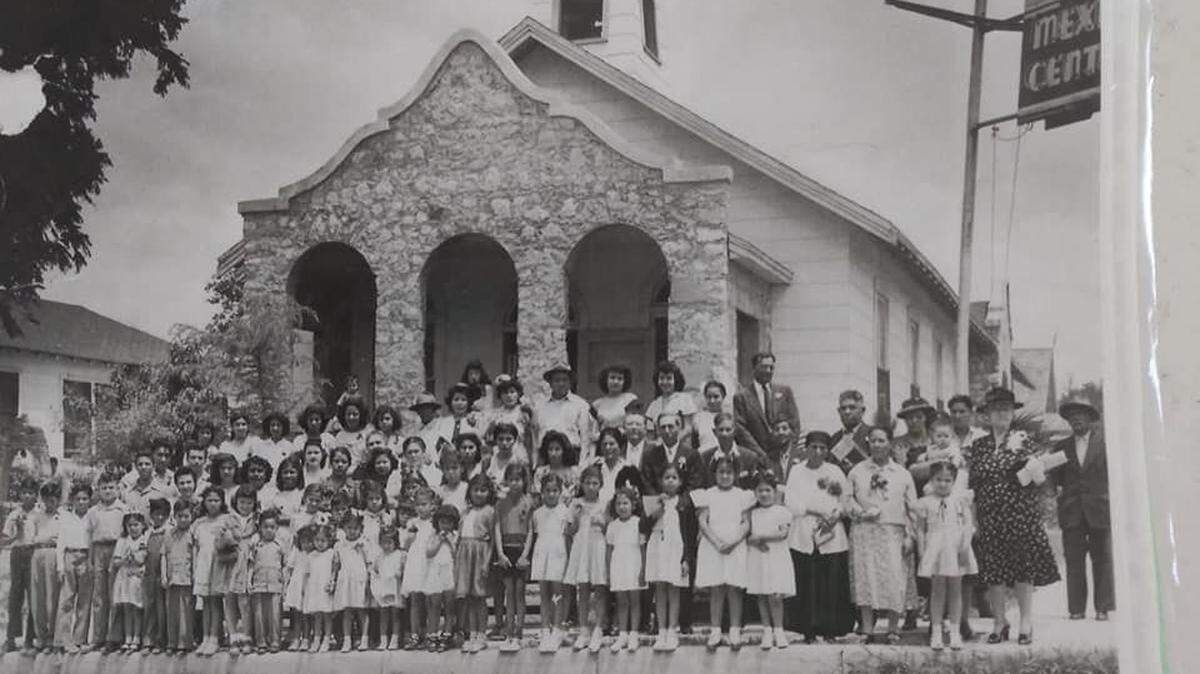
In 1925, the Presbyterian Church, spearheaded by the Women’s Presbyterian Auxiliary, reached out to the Mexican and Mexican American residents of La Corte, formerly known as Battercake Flats.
Purchasing a building at 501 N. Florence, in the heart of the barrio, they opened a daycare center to teach English and Americanization lessons to preschool children. With the hiring of the Rev. Guillermo Alexander Walls and his wife Raquel in 1925, the center’s services soon offered medical, job search, skills training, citizenship application, veteran help, and a curio shop.
At 12:00 a.m., on Jan. 1, 1927, eight families chartered the founding of Mexican Presbyterian Church with Walls as spiritual leader. Born in Matamoros, Mexico, to a Scottish father and Mexican mother, bilingual/bicultural Walls brought a missionary zeal to spread Christian faith and to infuse La Corte residents with pride in their Mexican heritage and American future.
A charismatic personality, well versed in scripture, business, and organizing, Walls traveled easily in both cultures. He invited Anglo benefactors and guests to visit the center/church to observe how their contributions provided Mexicans and Mexican Americans opportunities to excel.
First Lady Eleanor Roosevelt, accompanied by the Secret Service, dropped in unannounced at the Mexican Center’s curio shop in 1938. She purchased several items, including four molcajetes, basalt urns normally used to grind spices. Roosevelt asked Elisa C. Martínez, church secretary, if the president could use them for his cigars. Martinez responded, “As you wish.”
Walls resigned his church position in 1943, but continued full steam in civic, business and pastoral services from his home at First and Lexington streets. Current Pastor Jesús Juan (Jesse) Gonzaléz pointed out Walls’ international admiration when the Mexican government in 1944 appointed him as honorary Mexican consul for Fort Worth.
Walls’ business skills so impressed national and local Mexican Chamber of Commerce officials, they named him manager of the Dallas Mexican Chamber of Commerce in 1948. That same year, Walls helped organize the Fort Worth Mexican Chamber of Commerce.
During the Trinity floods of 1944 and 1949, Walls, medical and church volunteers opened the center’s doors to provide Typhoid shots, food and clothes to the displaced residents of Linwood and surrounding barrios. As one of the few Latinos with a vehicle, Walls took the injured and ill to the church clinic, hospital or doctor offices. He helped families find homes and advised on the purchasing process.
The church moved to its current location at 960 W. Bluff St. in 1941, overlooking the Trinity and surrounded by Latino residents. In 1958, the church changed its name to Gethsemane Presbyterian Church to reflect a diverse congregation.
Although the original church structure was demolished, replaced by a more spacious, modern building in 1993, original stone arches and a well remain as symbols of its spiritual foundations.
La Corte is gone, condominiums surround the church, but the mission to serve spiritual and physical needs continues. Several days a week, the church feeds the homeless of downtown Fort Worth.
Eliza Castillo Nájera, church elder and historian, spoke about their annual Christmas celebration and gift-giving to families, which started in 1927.
“Hopefully our Hispanic traditions within the Mexican community never disappear,” she said. “We’re here to stay . . . We’re children of God and doing what we can for the good of the people and mankind. Merry Christmas.”
Author Richard J. Gonzales writes and speaks about Fort Worth, national and international Latino history.