Fort Worth ISD students see biggest gains in Algebra I, Biology, test scores show
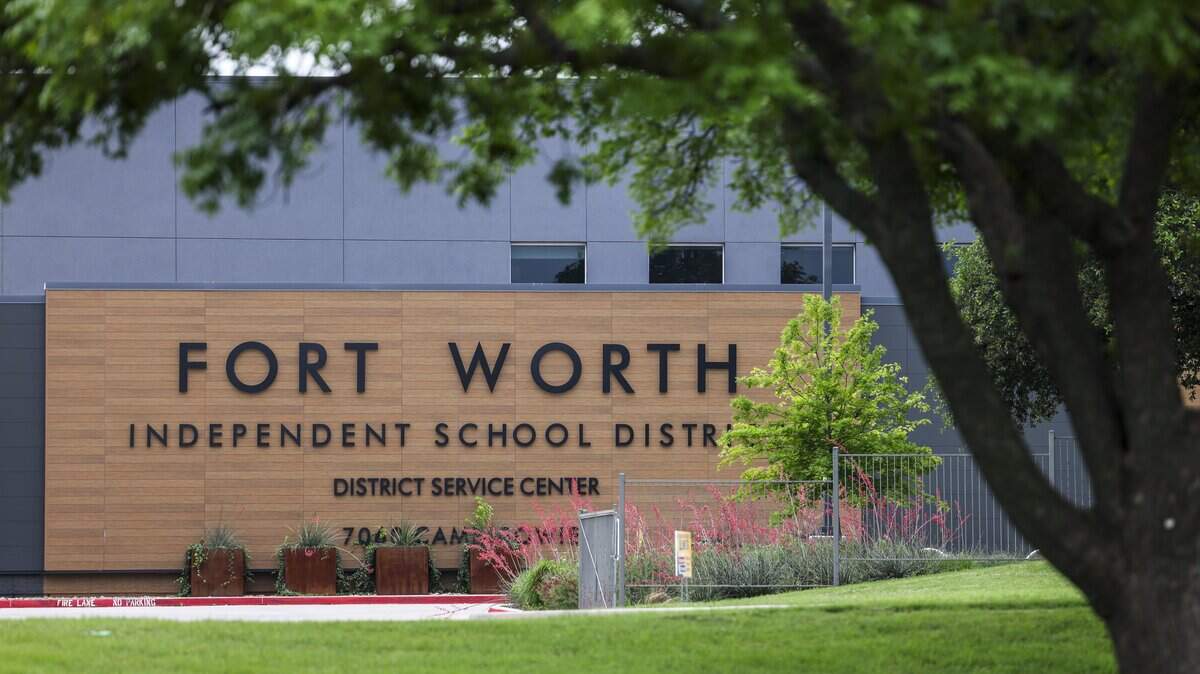
The percentage of test takers in the Fort Worth Independent School District, mostly high school students, who met grade level increased across five subjects compared to last spring, according to new End-Of-Course exam results.
Results for the 2026 spring End-of-Course, or EOC, scores released by the Texas Education Agency on Wednesday show improvements for Tarrant County’s largest school district with the biggest gains seen in Algebra I and Biology. Student performance jumped by 10 percentage points in those subjects while performance improved by 4-5% in English I, English II and U.S. History.
The data is the first glimpse into student performance since a state takeover went into effect in March after a state-appointed Board of Managers and superintendent began to govern Fort Worth ISD toward the end of the 2025-26 school year.
Other test scores for the State of Texas Assessments of Academic Readiness, or STAAR exam, are scheduled to be released for grades 3-8 on Tuesday, June 16.
Fort Worth ISD’s EOC gains were similar to trends seen statewide. The percentage of Texas students meeting grade level increased across all subjects and student groups, ranging from a 2% increase in U.S. History to a 9% increase in Biology.
Leila Santillán, chief operating officer at the Fort Worth Education Partnership, said most test results across Tarrant County came in about as expected and on par with overall statewide gains across Algebra I, English I and II, U.S. History and Biology. Fort Worth ISD had an overall growth percentage across all subjects of 7%, which is slightly above the Texas average of 5%.
However, the percentage of Fort Worth ISD students scoring at grade level or above still lags behind statewide averages in all subjects. In Algebra I, 33% of Fort Worth ISD test takers had scores of “meets grade level” or above, compared with 54% statewide. On the English I and English II tests, that benchmark was met by 37% and 44% of Fort Worth ISD students compared with 55-60% statewide.
The Biology and History scores were the highest: 54% of Fort Worth ISD students met grade level or above in Biology compared with 71% statewide, while 59% of Fort Worth ISD students met that target in History. Statewide, 70% of students met grade level or above in History.
“We are still seeing that gap between Fort Worth ISD and the state,” Santillán said. “But Fort Worth ISD was slightly higher (in growth) across all subjects than the state, mainly driven by that Algebra I growth. So we essentially kept pace with gains that the state had and there was little variation from that from Fort Worth ISD or other Tarrant County ISDs.”
Most other districts in DFW saw similar incremental gains as Fort Worth ISD, including Dallas ISD and Arlington ISD. Castleberry ISD was one of the largest risers, with an 11 percentage point growth average across all subjects, six points higher than the state average of five.
“These results reflect the hard work of Texas students, educators and families and demonstrate that focused instruction and high expectations continue to produce positive outcomes for students across our state,” Texas Education Commissioner Mike Morath said. “These results may also be reflective of the legislature’s ban of cell phone use in classrooms, so that students are better able to stay focused on their schoolwork while at school.”
During a budget workshop on Tuesday, Fort Worth ISD Superintendent Peter Licata mentioned the ongoing release of state test scores while giving credit to staff who were in the district prior to the new administration’s arrival.
“I want to give some early insights and (a) reminder that this is raw data, it is not official for school grades,” Licata said. “We’re predicting some nice increases in some areas, especially in Algebra. We have some nice gains in schools. Overall, had some great movement to the positive. Again, I want to remind everyone that we have only been here for a couple of months, and certainly the credit goes to the folks that were here and are still here.”
Licata, though, mentioned a snag in performance for more than a dozen schools. The district is expecting 14 additional schools to drop “significantly” and qualify for the Elevate network. There are 19 schools identified for Elevate due to their academic underperformance that will have additional resources for students and teachers and an extended school year. The district is investing $25 million into those schools.
“Given the timing of the data, we are not in a position to reconstitute all those schools, and it would significantly hit the budget for next year. As we know, we start teachers out at a very high rate of pay in those schools, where the bulk of the money for our Elevate program goes. We have a plan in place to fully support those schools and have designated (them) into a category that is similar to Elevate called Focus,” Licata said.
This story was originally published June 10, 2026 at 8:59 AM.