These Fort Worth kids attend ‘Zoo School.’ What animals do they learn about?
Nolan Guest and his preschool-aged peers trekked through the Fort Worth Zoo just before it opened to the public, taking an early peek at the gorilla, black bear and bird enclosures.
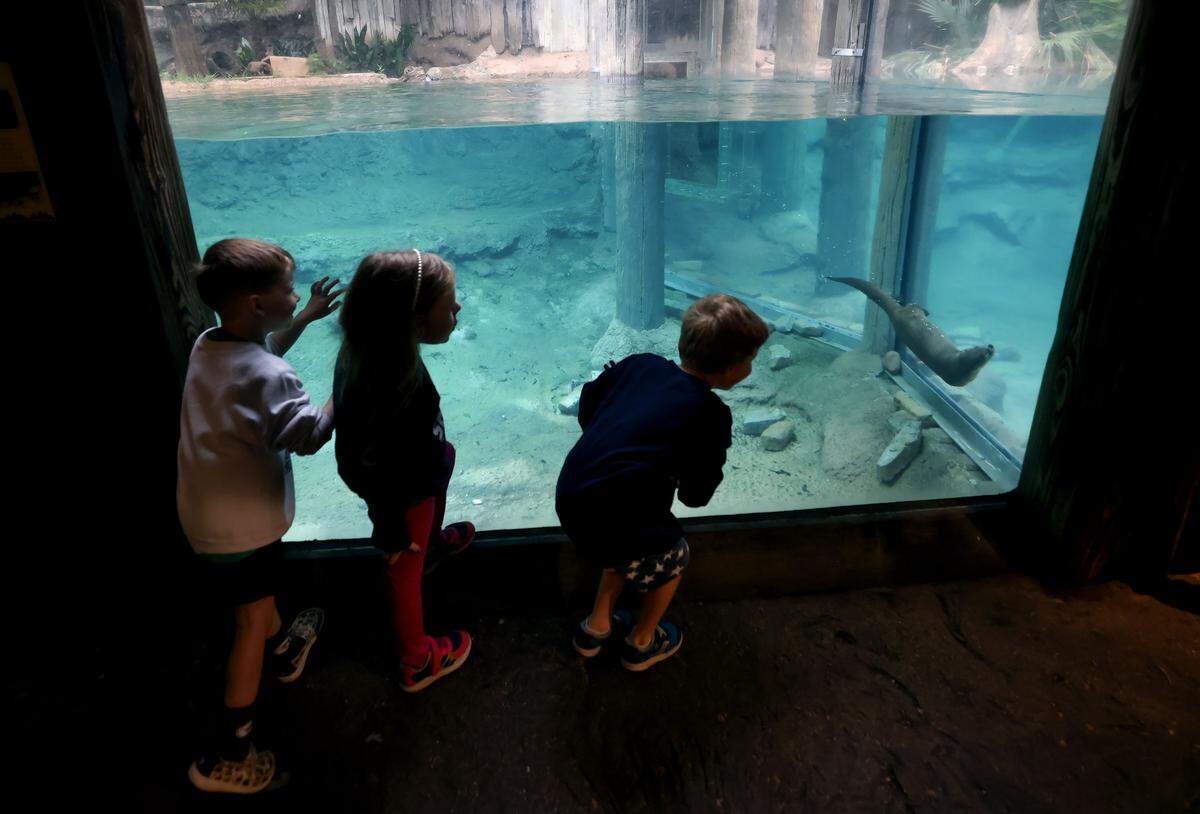
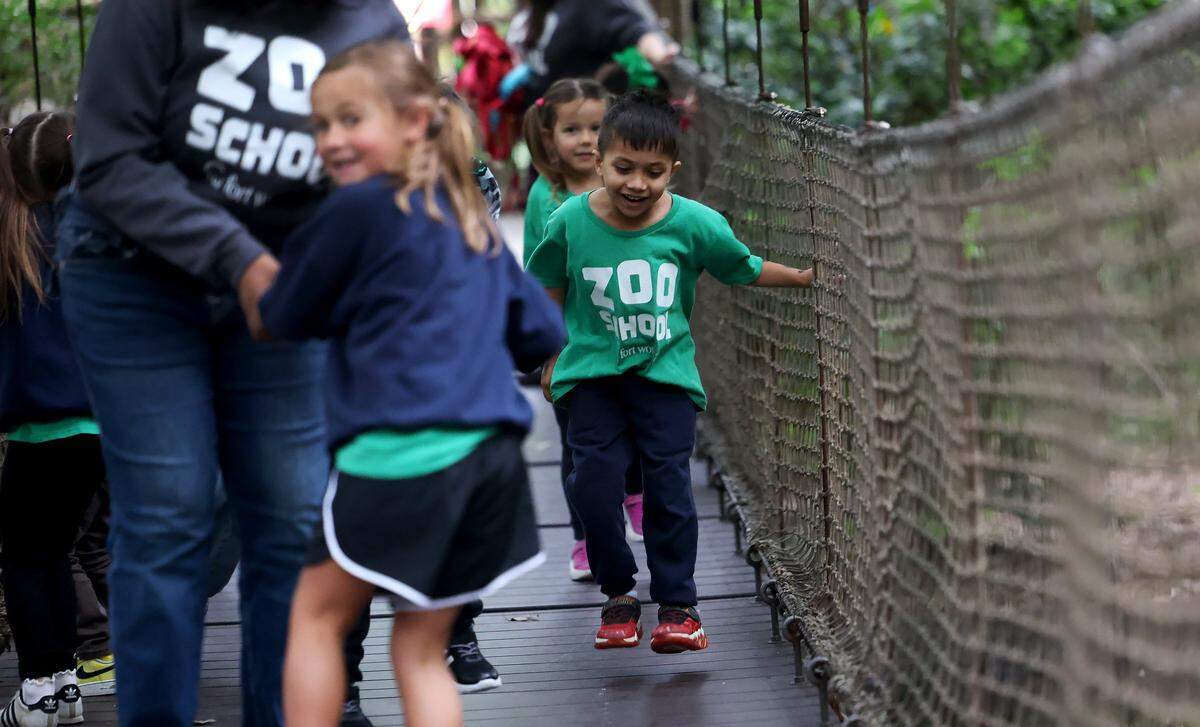
They clung tightly to a colorful walking rope while dodging the drizzle that came from the sky. They stomped their way up elevated walkways and jumped on a swinging swamp bridge, giggling with delight while trying to stay upright. Then they ran alongside an otter as it swam back and forth through an aquarium tank.
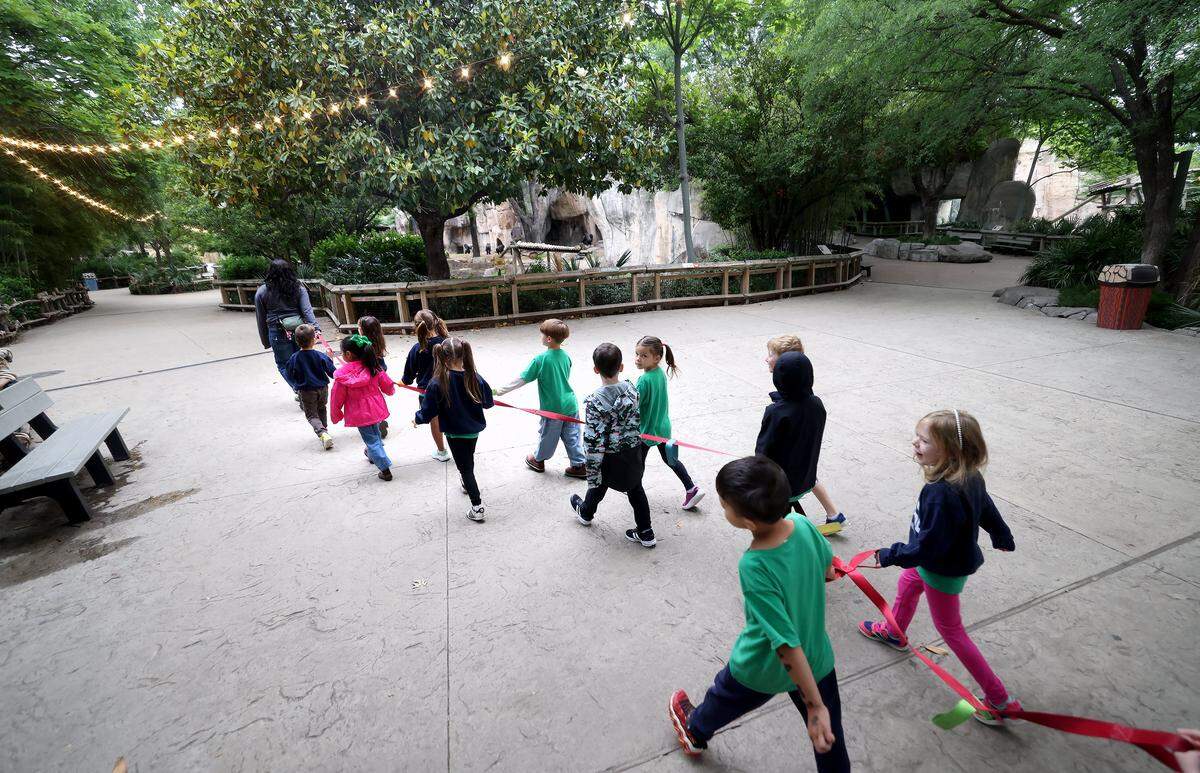
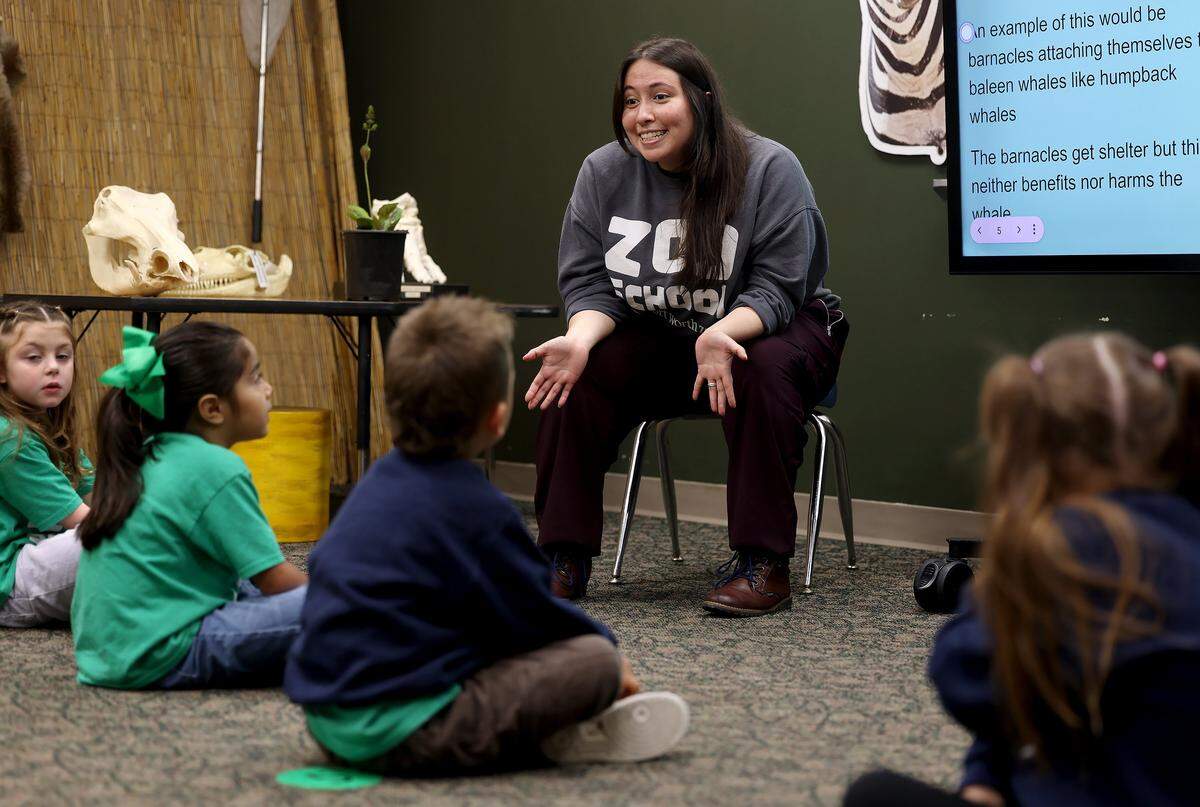
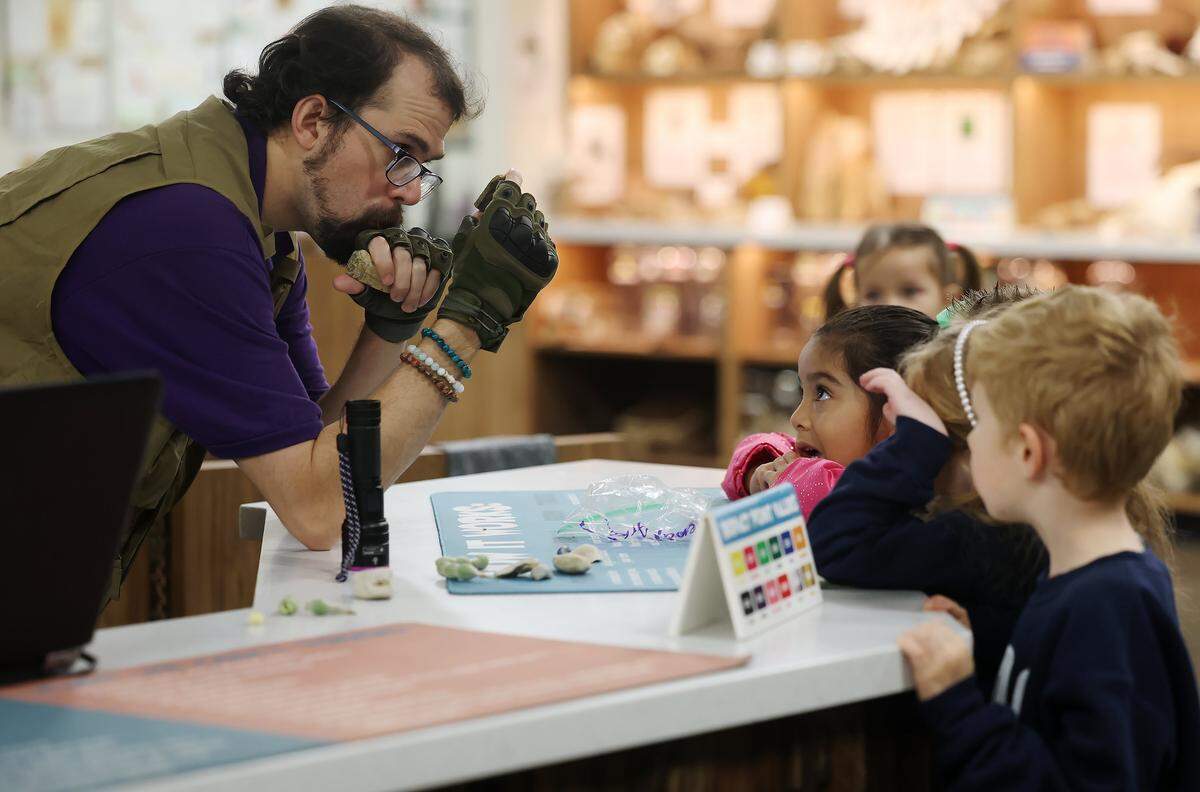
This was a typical Tuesday and Thursday for the 4- and 5-year-old explorers who are part of the Zoo School’s Nature’s Navigators program. Before the zoo hike, the children learned about animal relationships such as commensalism, predation and interdependence. Later, they would read story books and get a visit from an animal to their classroom. Considered an enrichment program, the preschoolers build their social skills and animal knowledge before they enroll in kindergarten in the fall.
Nature’s Navigators, which operates during the regular school year, builds on what’s taught in the zoo’s other Zoo School program, known as Tiny Trackers, that focuses on ages 3-4.
“It’s very important for them to see those animals, learn about those animals so that they can learn to love those animals, and know what they can do to protect those animals,” said Program Coordinator Adrian Askins.
Nature-based preschools and even informal environmental education settings give children the opportunity to bond with nature through risk-taking, teamwork and creativity, which impacts their self-efficacy, agency and prosocial behaviors, according to a 2017 article published in the International Journal of Early Childhood Environmental Education.
“Relationships with animals, whether domesticated or wild is important for the development of empathy. Animal interactions may ease tension, anxiety, stress and feelings of depression, and at times provoke children to speak or express their innermost feelings or questions, practice caregiving, and may even improve the quality of their academic learning as well as their confidence, social skills, and cooperation,” the article states, citing several research citations.
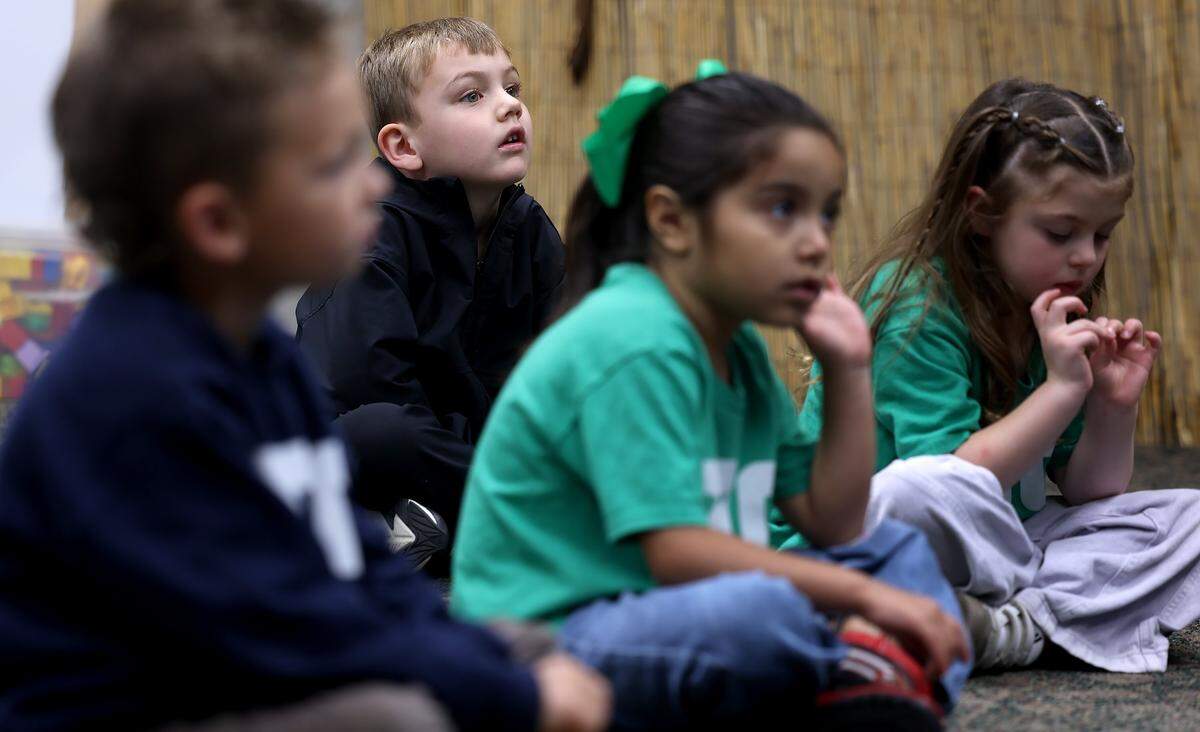
Lane Guest, the father of Nolan, said the Nature’s Navigators program has allowed Nolan to create friendships, be physically active and teach his parents about animals they haven’t heard of before.
Nolan mentioned teaching his parents about tenrecs, a mammal that resembles hedgehogs, after the Madagascar-native animal visited Nolan’s classroom.
“We have to Google a lot of (animals),” Lane Guest said with a laugh.
Nolan has also learned about the Madagascar Hissing Cockroach.
“They have little holes and there’s air, and they just blow it out, and it kind of sounds like a hissing,” Nolan said.
As Nolan starts kindergarten in the fall, Lane Guest said the Nature’s Navigators program has helped prepare him for the official start of his academic career while giving him an idea of what traditional school will be like.
“I think that’s kind of a really big thing… the Zoo School has done,” he said, noting that he would recommend it to any parents considering it for their own children.
“I’m a huge Zoo School advocate. I think it has been absolutely incredible for Nolan, for us… I would tell any parent that this is exactly the place to be.”
This story was originally published May 4, 2026 at 5:30 AM.