Trump orders closure of Department of Education. What does it mean for Fort Worth schools?
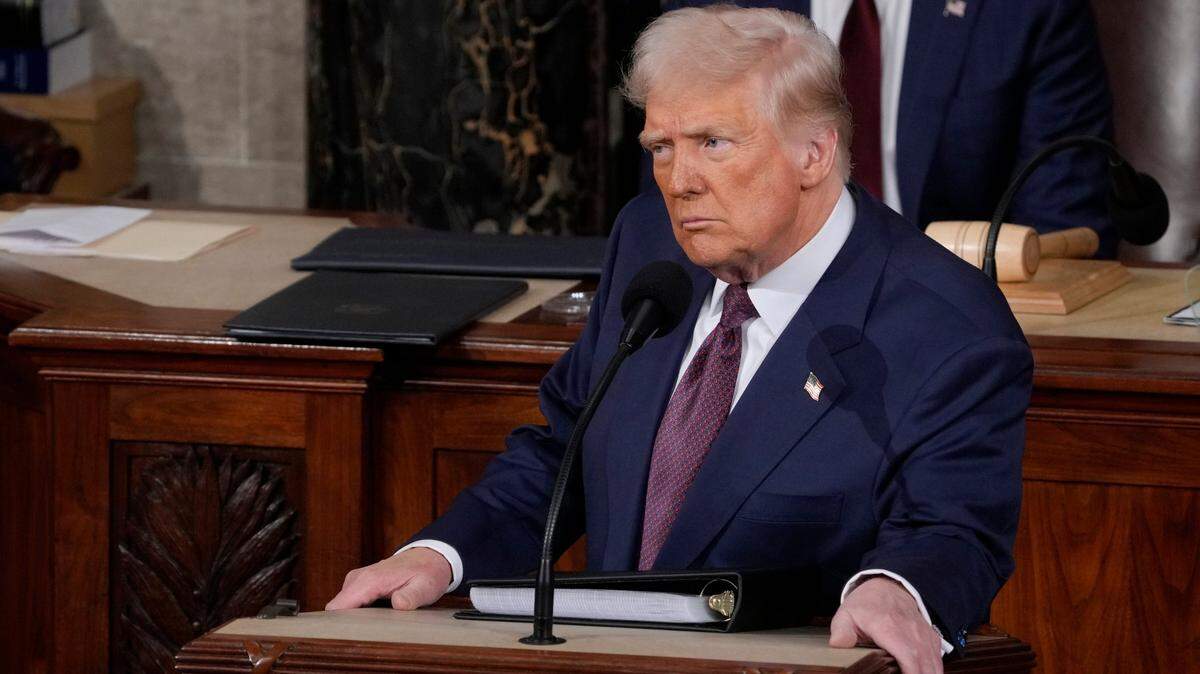
Some education leaders in Fort Worth and across Texas are scrambling to figure out how an executive order gutting the U.S. Department of Education will affect students here. The state’s education department, though, said it’s positioned to handle the changes that come with the federal overhaul.
One day after President Donald Trump signed an executive order directing Education Secretary Linda McMahon to dismantle the department, the Texas Education Agency said it’s ready “to better serve the students, school systems and taxpayers.” But state and national child advocates say low-income students, students with disabilities and students who are learning English will feel the impact most acutely.
“This executive order returns control of education back to the states. TEA is prepared to implement any changes to better serve the students, school systems and taxpayers of Texas,” agency officials said in a statement on Friday.
Trump signed the order on Thursday, March 20, at a White House ceremony attended by Texas Gov. Greg Abbott, Lt. Gov. Dan Patrick and Texas Attorney General Ken Paxton. During the ceremony, Trump said the department’s primary functions, including funding programs for low-income students and students with disabilities, would be transferred to other Cabinet departments and agencies “that will take very good care of them.”
“We want to return our students to the states, where just some of the governors here are so happy about this. They want education to come back to them… and they’re going to do a phenomenal job,” Trump said. “Some of the governors here today, from states that run very, very well — including a big state like Texas — but states that run very well are going to have education that will be as good as Norway, Denmark, Sweden… those top countries that do so well with education.”
The signing comes over a month after the Wall Street Journal reported Trump had been preparing the order and about six months after he had shared his plans to target the department during a September rally in Wisconsin while on the campaign trail. Although a full dismantlement would require an act of Congress — which Republicans likely don’t have the votes to pass — Trump’s order impacts programs unprotected by law and calls on Congress to take final action.
White House Press Secretary Karoline Leavitt told reporters on Thursday that student loans and Pell grants would still be issued by the Department of Education and other functions such as special education funding and civil rights enforcement would remain in place.
Jonathan Feinstein, Texas state director for the education advocacy group EdTrust, said the dismantling of the Education Department would cause “irreparable harm” for students in Texas’ public schools. In particular, Texas schools stand to lose the nearly $2 billion the state receives in federal Title I funding aimed at providing extra support to schools that serve large numbers of low-income students, he said.
The Title I program is enshrined in law, meaning funding wouldn’t automatically end if the department were shuttered. McMahon said during her confirmation hearings that she wouldn’t seek to defund Title I or Pell grants, which help low-income students pay for college. But Republican leaders have floated the idea of cutting the Title I program and replacing it with block grants made directly to states, which could then use that money to continue the services that Title I funded or redirect it to other priorities.
During a press conference organized by the Houston-based nonprofit Children at Risk, Feinstein said the move creates uncertainty and instability for Texas students. He noted that instability comes at a time when the National Assessment of Educational Progress ranks Texas in the bottom half of all U.S. states in terms of academic achievement in reading and math.
Children at Risk CEO and President Bob Sanborn said emergent bilingual students, or English-learning students, have already been left at risk of losing valuable resources after almost half of Department of Education staffers were recently laid off as the Trump Administration has reduced its workforce across multiple federal agencies. About one in five Texas students is emergent bilingual, according to the state education agency. The federal cuts effectively disbanded the department’s Office of Language Acquisition, which oversees resources for these students.
The Fort Worth Independent School District, the largest district in Tarrant County, said last month it’s unclear how students would be impacted if the department was shuttered. During the current school year, the district received $61.9 million in federal funding, representing about 6% of its overall revenue, according to district budget documents.
In the 2023-24 school year, 82% of Fort Worth ISD students were economically disadvantaged or low-income, and 41% were emergent bilingual students, according to TEA data. About 13% of students in the same school year were enrolled in special education programs.
This story was originally published March 20, 2025 at 4:04 PM.