‘We need to do something immediately’: FWISD interim chief sounds alarm on academics
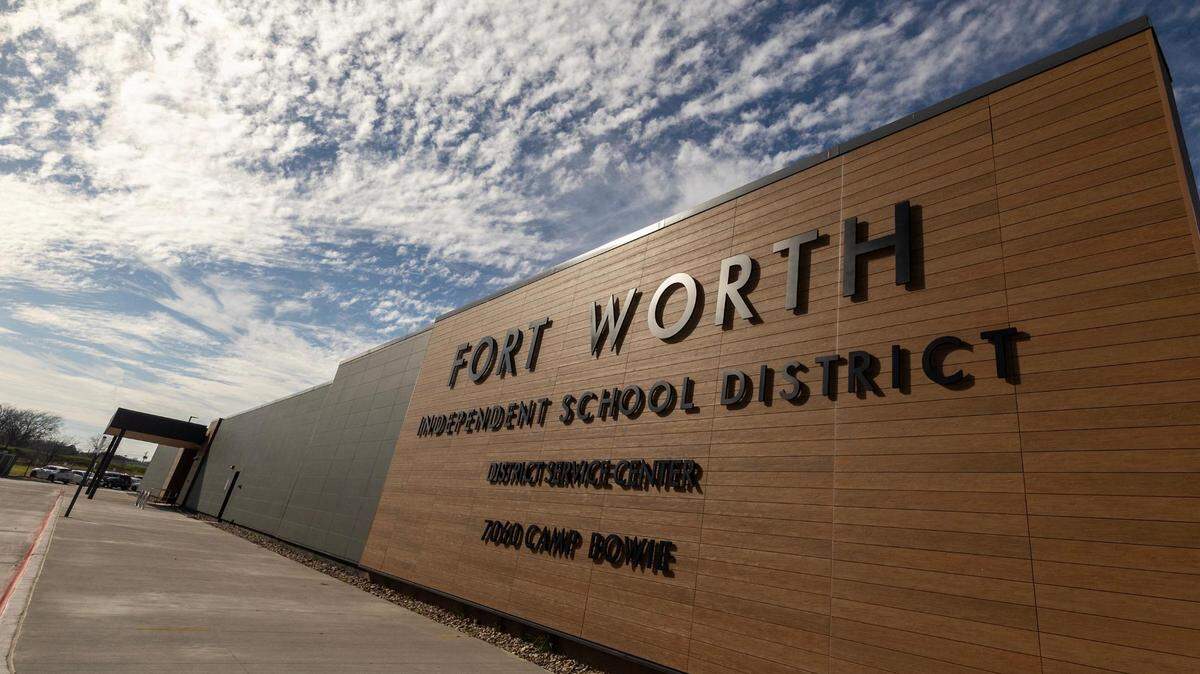
The Fort Worth school district is at risk of another year of lackluster academic progress if its teachers and leaders don’t do something differently, the district’s interim superintendent told the school board Tuesday.
Karen Molinar, who was appointed to lead the district earlier this month after former Superintendent Angélica Ramsey’s departure, emphasized that the district is both morally obligated and legally required to accelerate students who have fallen behind. If the district doesn’t intervene, she projected that nearly three quarters of all students will perform below grade level on next spring’s STAAR exam.
“We can’t do everything at once, but we need to do something immediately,” she said.
During the meeting, Molinar presented MAP assessment scores from the beginning of the year, broken out by student subgroups. Across all student groups, the district’s scores this year were almost identical to those from the beginning of the last school year. African American students and special education students lagged well behind the rest of the district — gaps Molinar said the district needs to do more to close. The district’s needs are too great for leaders to be able to focus on every student who needs extra help, she said, but student achievement data can help them figure out which students are furthest behind and target their efforts there.
Unlike state tests, which students take at the end of each year, districts give students MAP tests at the beginning, middle and end of each year, giving teachers a look at how students are progressing. MAP scores are a reliable indicator of how well students will perform on STAAR exams, Molinar said.. The district projects that, if nothing changes, 26% of students will score on grade level in reading on the next STAAR exam. Just 20% of students met grade level in reading on last year’s STAAR, so that projection would represent an improvement. But it would still mean that three quarters of the district’s students were behind in literacy.
Among other steps, Molinar said the district will send central office staff to campuses to work with students who need extra help. Many central office staffers are certified teachers, she said, and many of them are some of the most effective educators in the district. By working with students directly, those staff members can help take pressure off teachers and provide another adult role model at school for students, she said.
Expectations for student behavior
The district will also be developing a strategy around student discipline, Molinar said. Like many districts across the country, Fort Worth ISD has struggled to deal with disruptive behavior in the years following the COVID pandemic.
The strategy won’t be a return to the district’s old policy of more frequent suspensions; “We cannot suspend our way out of student behavior,” she said.
To begin to deal with the discipline issue, district leaders will work with teachers, principals, parents and students to put together clear expectations for what student behavior looks like, Molinar said. When it’s time to communicate those expectations, the district will rely on students to help with the messaging, she said.
“It’s very important that our students are the ones telling the story,” she said. “We can push out all kinds of media… but when our students are involved and our students have the voice and our students are leading, that’s when our other students listen.”
Strengthening instruction that students receive
Elsewhere in the meeting, Mohammed Choudhury, the district’s deputy superintendent for learning and leading, said one of the most important things the district can do to improve academic performance is to strengthen Tier 1 instruction — that is, the instruction all students get, before teachers go back to offer extra help to those who didn’t understand concepts the first time around. Ideally, Choudhury said, about 80% of students should be able to understand class material the first time teachers go over it.
Choudhury said he’s watched many of the district’s most effective teachers work with their students, and all have at least one thing in common: they use the curriculum not as a rigid guideline, but as a baseline.
“They do more than what the curriculum asks,” he said. “It’s the floor for them.”
In its efforts to strengthen the instruction students get in class, Choudhury also said he’s concerned the district might be focusing on the wrong thing. The district focuses most of its support on teachers who are struggling, he said, but it doesn’t offer enough extra help to those who are merely average. By offering extra support to middle-of-the-pack teachers, the district could raise the average quality of instruction for all students, he said.
This story was originally published October 22, 2024 at 10:35 PM.