Why is Fort Worth ISD seeing increase in special ed services for its youngest students?
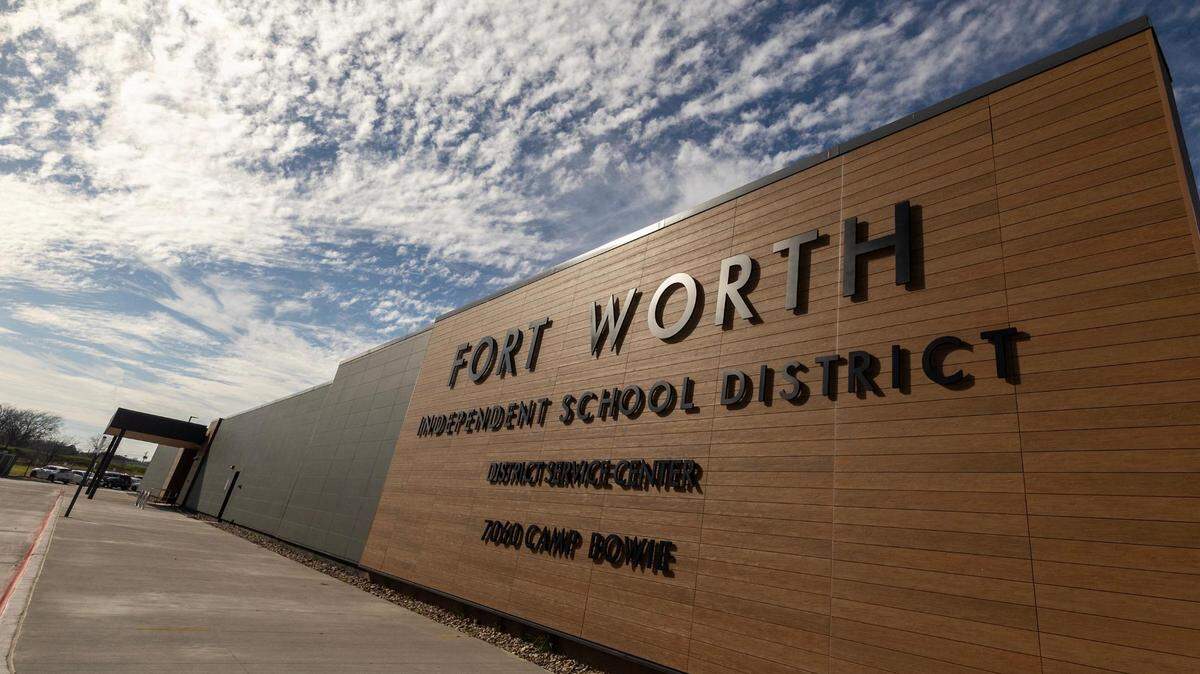
The Fort Worth Independent School District’s number of special education classrooms is growing, specifically with its youngest learners.
The district is adding 19 early childhood special education classrooms in the upcoming school year for pre-K and kindergarten students, bringing its total to 60. Over the past five school years, there’s been a steady increase in students who are being placed in early childhood special education classrooms, with a 32% increase seen from the 2019-20 to the 2023-24 school years, according to district data. The exception to this was the decrease seen during the 2020-21 school year amid COVID-19.
According to district officials, the trend appears to be the result of a corrective action plan that required the Texas Education Agency to correct statewide issues with evaluating students with disabilities and providing them with the resources they needed, which was uncovered by a federal investigation. It’s also suspected that the COVID-19 pandemic has made an impact developmentally on 3-, 4- and 5-year-old students who are just beginning their academic careers.
“The overall number of students in (classes and services)… has increased slightly every year, but within that big number, what has really significantly increased every year is the kids who need more of these special education settings where we’re providing more intensive support to those students,” said Audrey Thomas, the district’s executive director of specialized learning.
District data shows that although the number of students in early childhood special education classrooms has jumped, the overall number of students who receive specialized services, such as speech therapy, but are placed in either a general education classroom or a special education classroom has increased by less than 3% over the same period.
Here’s what the numbers say:
In 2018, the U.S. Department of Education found that the state had failed to properly identify students with disabilities and provide them with appropriate resources by essentially placing a cap on the percentage of students who could receive special education services, according to the Texas Tribune. TEA spokesperson Jake Kobersky told the Star-Telegram that the agency has not been under corrective action by the federal government since June 2023. In a letter issued to TEA Commissioner Mike Morath at that time, federal officials stated that TEA had fulfilled its requirements to comply with the Individuals with Disabilities Education Act, a federal law that ensures public schools provide students with disabilities a free and appropriate education.
In the upcoming 2024-2025 school year, a new “blended classrooms” model that consists of both general education students and students with special needs will be implemented in 15 pre-K classrooms. This is in addition to the new 19 classrooms designated just for special education students. Thomas noted that the blended model will provide “an opportunity for a less restrictive environment” and allow students with disabilities to interact more with their typically developing peers.
The process of early identification and intervention for children with disabilities is vital for their academic success, research shows. Ideally, these interventions start before they enter the school system.
“The earlier we can intervene and provide skill advancement (and) interventions, that can positively impact that trajectory for them as they go forward in the education system,” Thomas said.
Trenace Dorsey-Hollins, a mother of a 5-year-old Fort Worth ISD student who is nonverbal, said the transition from her daughter receiving early childhood intervention services provided through a state program to receiving special education services through the district after age 3 was fairly smooth with the help of Child Find, which requires districts to identify all students in need of special education services who live in their jurisdiction. But Dorsey-Hollins, who is also the executive director of Parent Shield Fort Worth, said she had to do extensive research before meeting with district officials to understand the enrollment process and know what accommodations were available, such as her daughter’s communication device.
“I had to do my own research to kind of find out what all I needed to ask for… Nobody still was there to kind of help explain the whole process like, ‘This is what to expect,’” Dorsey-Hollins said. “I had to push a little bit to make sure that she received everything that she needed, but once she got into the school system and she got with her teachers, they were good teachers. They made sure they communicated.”
Another parent, Ashley Tolliver, echoed Dorsey-Hollins’ critique of the district needing to provide better guidance and information to parents about the enrollment process for special education services. Tolliver said she decided to homeschool her daughter for another year after having an unpleasant experience with district staff when attempting to enroll her kindergarten-bound daughter in specialized services for the upcoming school year. She felt disrespected by staff and said they laughed when she and her husband asked questions about the process; Tolliver also said it appeared district staff had forgotten to address one of her daughter’s diagnoses when drafting an individualized education plan. Her family has since moved to the jurisdiction of Castleberry Independent School District.
“I’m still learning this whole process. It’s not sad, but it is sad that we have to fight so hard for our kids — the special education community — we have to fight that hard to where we have to make sure that we’re educated in this world,” said Tolliver, whose daughter has been diagnosed with autism and ADHD.
Fort Worth ISD officials did not respond on Monday when the Star-Telegram asked for comment on Tolliver’s experience.