Mental preparedness: North Texas academics offer back-to-school tips for parent support
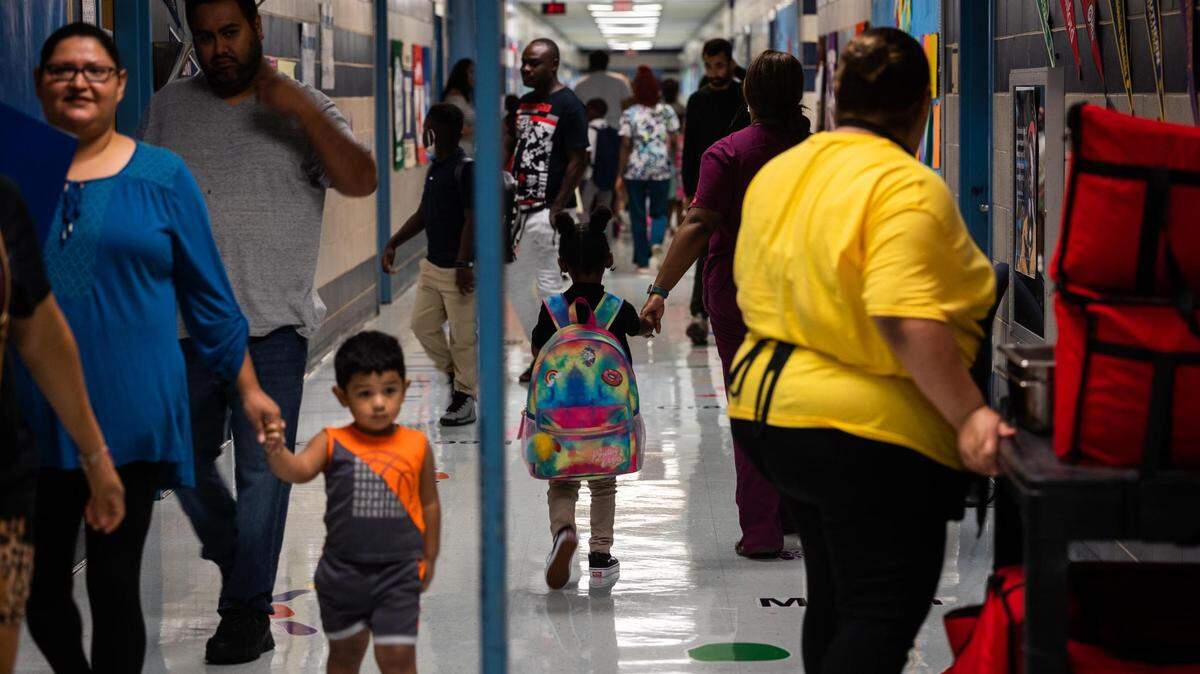
Back-to-school readiness is at the forefront of parents’ minds as the three-day window to buy tax-free school supplies started Friday before classes reconvene on Monday for the Fort Worth Independent School District.
Although notebooks and writing utensils are essential for success, experts say emotional and mental preparedness are just as important.
Professors with Southern Methodist University’s Department of Counseling have tips for parents on how to approach this with their school-aged children, which can depend on their grade level and age.
Communication
Mario De La Garza, counseling director and clinical assistant professor, encourages parents to listen to what’s on their children’s minds by asking open-ended questions of how they’re feeling about the new school year. Additionally, setting up a foundation for daily conversations about their school days will show their child that they’re present.
“Once they tell you what’s going on for them, then acknowledge their feeling and what it is they say,” De La Garza said. “This sets a precedent for, ‘Mom and Dad are here to listen to me, whatever I may bring… whatever it is that I’m going through, I have people to talk to.’”
Clinical associate professor Brandy Schumann says if a parent notices their child may have had a rough day at school, she recommends the parent give statements such as “Looks like today wasn’t very good,” rather than ask questions.
“You usually get a lot more information from children with statements rather than questions,” Schumann said. “I love this phrase: Silent has the same letters as listen… They’ll share what they’re ready to share.”
Predictability
For students in pre-K or kindergarten, for example, explaining and visualizing what will happen during the school day in a clear manner will make it easier for them to know what to expect, Schumann said. Toys can be utilized to create a demonstration of the child, their teacher and their parent, and what each person will be doing during the school day.
“Sound effects are wonderful for making it even more entertaining and engaging for the child. But it’s making sure then that the story of what’s going to happen is what happens,” she said.
Additionally, concrete connections between the parent and child such as wearing matching bracelets or packing the same food for lunch can alleviate the anxiety a younger student might have about spending time away from their caregiver.
“You can create concrete connections that make a lot of sense for younger children that will not be as fulfilling for an older child,” Schumann said.
Teenage students who are more independent can still facilitate predictability in other ways like making a plan to carpool with friends or mapping out where their classes are on campus before the first day of school, she added.
School safety
In the aftermath of the Uvalde school shooting at Robb Elementary in May 2022, among other instances of gun violence across the state and nationwide, it’s critical to reiterate to students what safety protocols are in place for them.
Talking about why active shooter drills are required and how they prepare schools for the worst-case scenario is one way to address safety concerns, De La Garza said.
“From what I’ve heard from my colleagues who are still working in the school settings, we are certainly seeing more anxiety surrounding (whether) school is a safe place,” he said.
De La Garza encourages parents to remind their children that “school is a place that they are supposed to learn and to grow and to feel safe” with people who are trained to protect them, he said.
At the end of 2022, Schumann said, there were students who pre-wrote “goodbye letters” to their parents in case a shooting were to happen at their school.
“My heart breaks when I think that students were actually drafting that,” she said. “There’s an element of awareness of safety threats that I think is more present, but it’s also unfortunately their norm.”
“We do everything that we can to prevent it, but we don’t get the promise it won’t,” Schumann said.. “So your school, your teachers and you all have to be prepared with what to do in case it happens.”