
Fort Worth school adviser guides students to college or other pathways amid pandemic
With costs rising consistently, attending college has become an increasing challenge for many high school students. Add in a worldwide deadly pandemic, and it has become tougher than perhaps ever before.
College visits have been limited, and in many cases canceled. Most colleges have stopped requiring the SAT as part of the application process, a decision that can affect scholarship opportunities.
And many students are faced with the choice of pursuing higher education or going to work to help their families who have been affected by the pandemic.
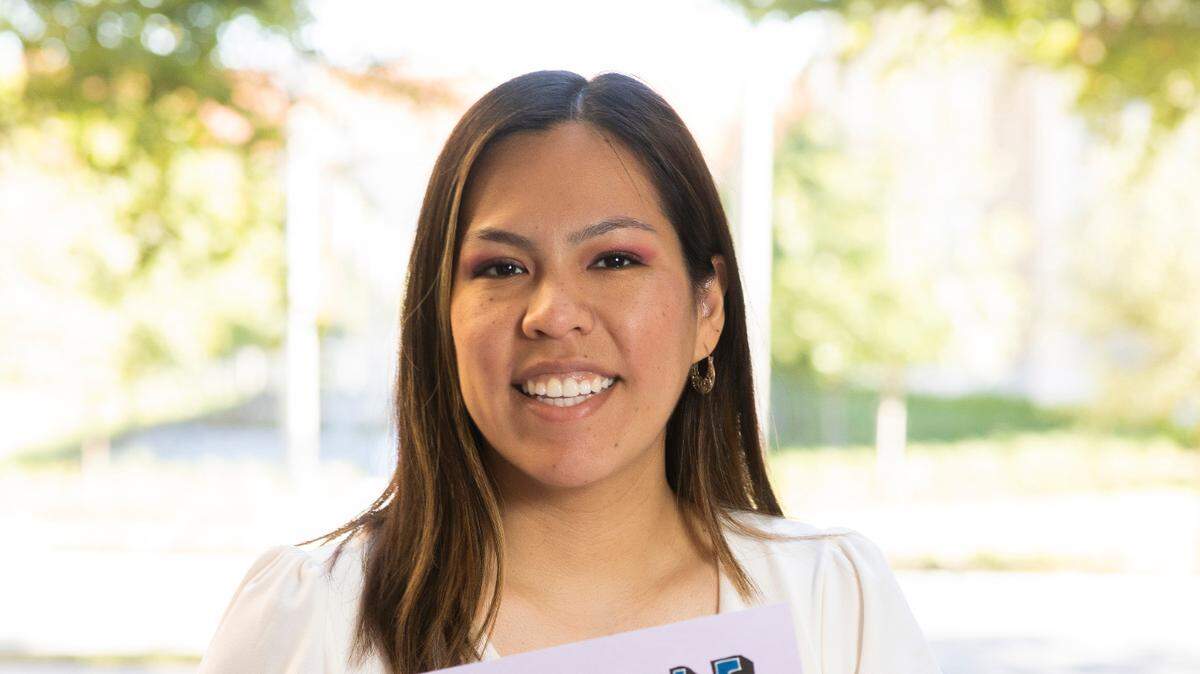
All of these are reasons Valerie Gonzalez is working to help students caught in this quandary. The senior college adviser at Western Hills High School in Fort Worth has even taken her efforts to the national level, reaching out to more than just the students at her own school.
“We are seeing a decline in college attendance because of COVID-19. Many of my students began working full-time this academic year when the Fort Worth school district (FWISD) decided to allow students the opportunity to attend school 100% virtually, hybrid, or 100% in-person,” she said.
“Because students have had the opportunity to work full-time without needing to go to college, many of them have been deterred from even doing their homework to finish out their senior year, let alone consider going to college.”
Finding the right fit
Gonzalez recently discussed the situation during a guest appearance on “This American Life,” a popular radio program and podcast.
She worked with host Ira Glass and Paul Tough, author of “The Inequality Machine: How College Divides Us.” They asked her about her work and how the pandemic affected the school year.
“After that initial meeting, Ira and Paul were so curious about my work that they asked if they could interview some of my students for the podcast,” she said.
The episode focused on students who were originally going to attend a four-year school but were forced to change their plans because of the pandemic. Many students have had to switch to enrolling in a community college or not attending any college at all.
“The entire experience was pretty exciting and quite a bit rewarding. I would say my message to high school students about attending college is that they should seek to do something after high school that they are passionate about,” she said. “It is not my job to convince or force students to attend college. Rather, it is my job to help students find their best match and fit a post-secondary plan.
“When my students make the decision to go to college, I am ecstatic, especially when I know I can help them attend school for free or nearly for free. Regardless of what my students choose to do however, I am proud of them for making a plan for after they graduate high school.”
Financial opportunities
Gonzalez also stresses to students that even though it’s harder to make college visits these days, there are ways to get there despite the challenges.
“Many of my students select their college without ever even visiting. My school is very fortunate to be a part of a new initiative called the Tarrant To and Through partnership (T3),” she said.
T3, with the help of the Rainwater Charitable Foundation, has been able to provide many students with last dollar scholarships to Tarrant County College and the University of Texas at Arlington, as well as $500 scholarships to TCU, North Texas, Tarleton State, Texas Wesleyan, and UNT Dallas, she noted. Also, FWISD provides its campuses with a monthly scholarship packet that has lists of local and national scholarships.
Gonzalez said cost is the biggest hurdle faced by would-be college students today.
“Many of my students do not consider going to college because they do not think they can afford rising attendance costs,” she said. “After I speak to them and discuss the various ways they can receive financial aid, either because of their GPA, test scores, or their financial situations, they are more open to the idea of going to college.
“In my opinion, others can encourage more young people to attend college by simply helping them seek out financial aid pathways and working with the student to successfully finance their post-secondary education.”
She does believe her message is getting through.
“The students that I am able to reach, or that somehow find their way to me, are for the most part, receptive to the message I am sharing with them.
“The same goes for parents, guardians, or family members. When a student or family member is unsure of how the college application process works, they are often hesitant. However, once they know there are resources available to them, they are often excited for their student and willing to do whatever it takes to assist them.”