Fort Worth student adds to science and art achievements, but ponders her career path
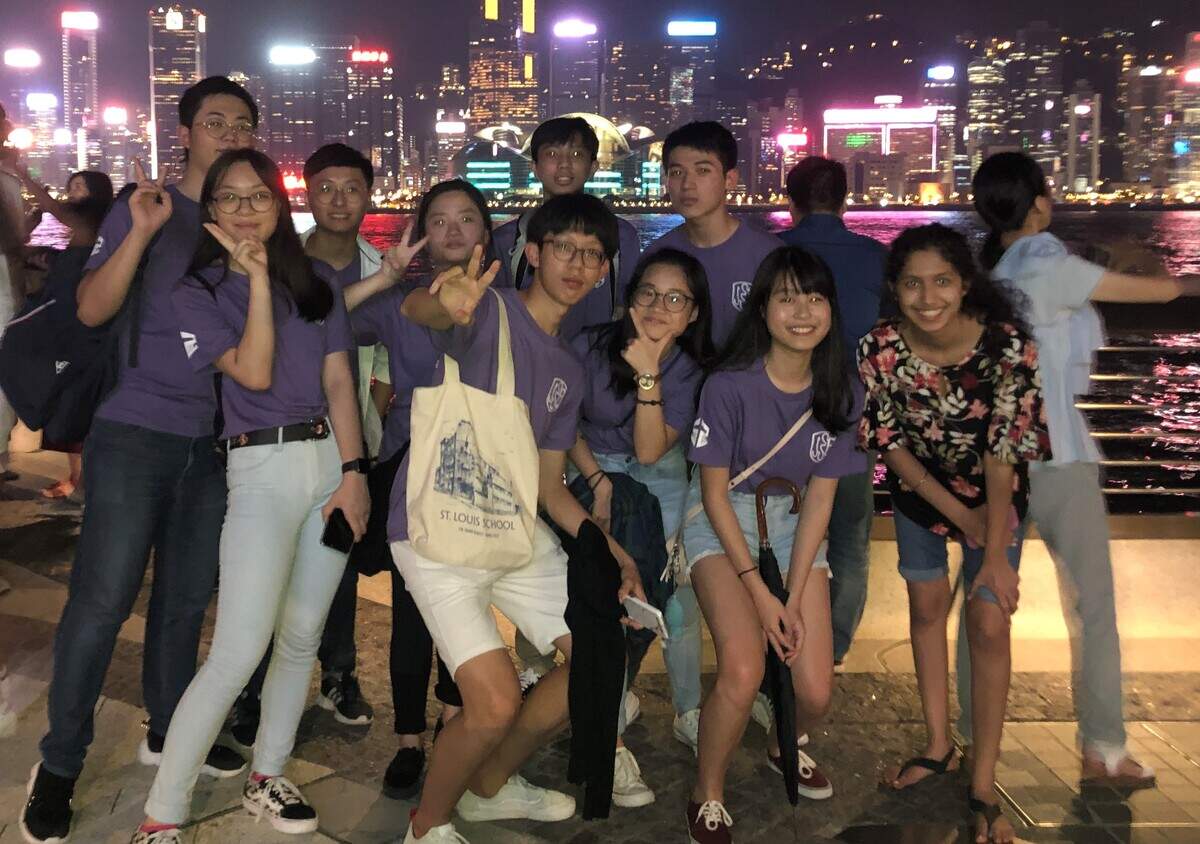
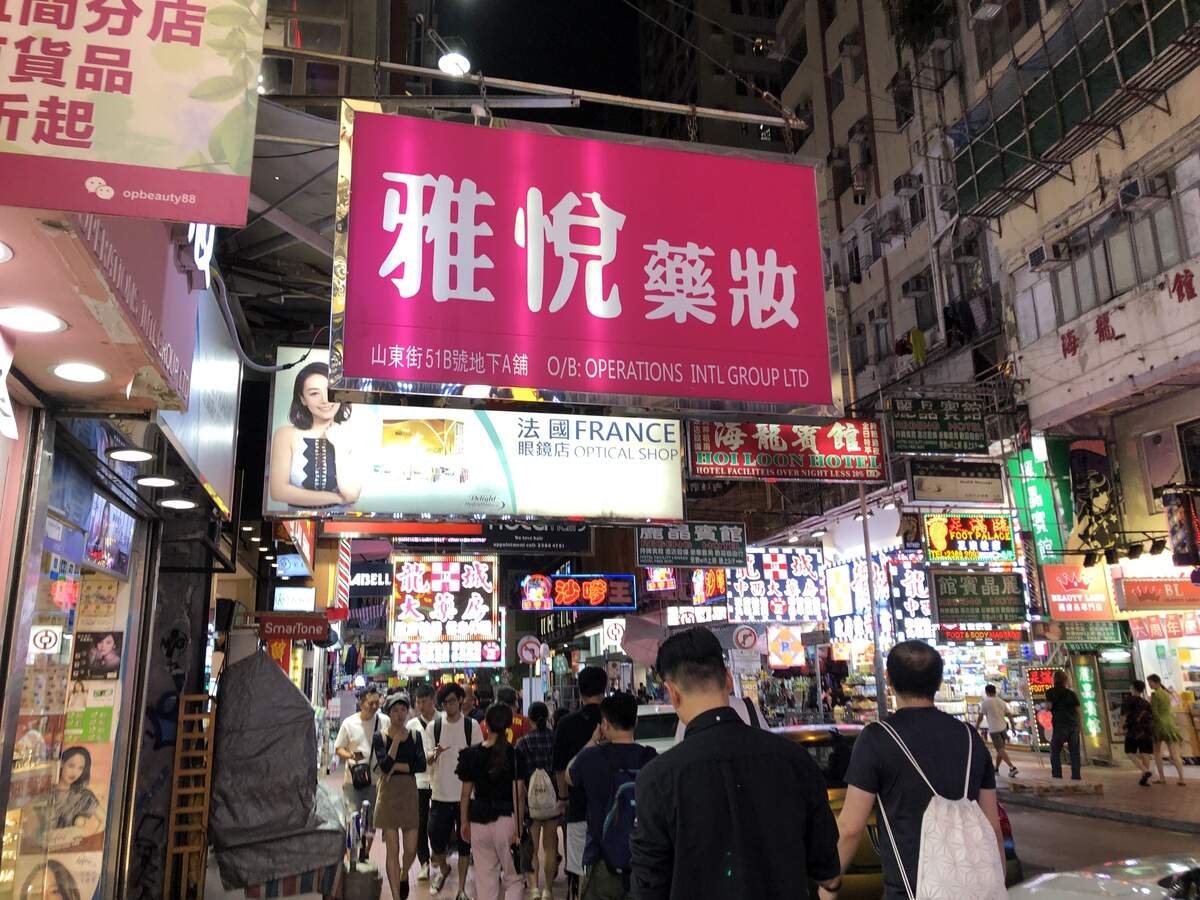
Ruhani Ahluwalia, 16, traveled to a Hong Kong science fair this past summer while pandemonium gripped the region.
But Ruhani and her mother said that after they arrived they barely noticed the unrest that had been reported in the news.
Students in charge of the science fair at the Hong Kong central library shielded the pair from the dissonance, said Parmeet Jodhka, Ruhani’s mother. Jodhka said that initially, she was concerned for Ruhani’s safety. The protests, the reaction of the government to the protests, the news of widespread unrest and destruction were troubling.
“There was huge turmoil there,” Jodhka said. “I connected with the coordinator, who assured me that it was safe. We did take a chance. I decided we should go. It’s hard to get an opportunity to show your work.”
By the time the science fair was finished, Ruhani, a student at Harmony School of Innovation in Fort Worth, had been named the best overseas delegate presenting. Ruhani has been working for years with a University of North Texas Health Science Center investigative team that is trying to figure out a different way to attack cancer.
Ruhani said she was the only presenter from the United States. Other potential presenters may have been dissuaded from participating because of all the stories of unrest, Jodhka said. Days after they left Hong Kong, protesters stormed the airport and disrupted travel schedules, Jodhka said.
Ruhani has presented her work most recently in Hong Kong and before that, at a science fair in Brazil, where she received a third place award in MOSTRATEC, for her breast cancer research, which she began during the summer when she was 11.
The UNT Health Science Center’s team is focused on using nanoparticles to deliver anti-cancer drugs directly to the cancerous cells, thereby avoiding damage to the healthy cells and sparing patients the harmful side effects of chemotherapy. Over the years, Ruhani has graduated from learning how to measure liquids using a pipette to actually creating the nanoparticles researchers use to deliver the cancer-killing drugs.
Ruhani credits her mother with teaching her the foundational biology that allowed her to come this far, and bemoans the loss of her great-aunt, Romi Katial, the woman whose death from leukemia and lymphoma set her on a journey of scientific discovery.
Cancer may have killed Katial, but it was her great-aunt’s reaction to the chemotherapy she received that caused much of her suffering, Ruhani said. During the months of treatment, Ruhani said, she watched as her great-aunt, who was more like her mom’s mom, shrank to a shadow of the person that she was.
“In the end, she went through chemotherapy for two to three years.” Ruhani said. “I was like 9 or 10 when I realized how much she was suffering. I saw her go from what she was to become very different.”
Ruhani returned to her home in Arlington after her Hong Kong experience, to high school, and to ruminate over her own personal decisions. She and her mother, who teaches microbiology at Tarrant County College, said they never actually witnessed the parts of Hong Kong that had been set afire during the unrest.
‘I was tested’
When Ruhani was in seventh grade after Katial’s death, her mother became aware that she wanted to do cancer research. Jodhka, a scientist herself, became her biggest supporter and shared her knowledge of cancer mechanisms, Ruhani said.
Later, Jodhka was instrumental in furthering her daughter’s efforts, introducing Ruhani to Andras Lacko, her mother’s mentor and Health Science Center professor of physiology and anatomy. Lacko was the one who unlocked the door to his lab.
“They knew that I helped train her,” Jodhka said. “I think only a mother has that much patience. She worked very hard for a lot of summers.”
Still, getting the doors to the lab unlocked was not an easy process.
“When I first started, I was always watched,” Ruhani said. “That first year, I was tested. They wanted to make sure I was responsible. I was given harder projects after they trusted me more.”
Ruhani said those initial months of practice were a blessing. If they had left her alone, she would never have learned. Now Ruhani has become adept at using more machinery and has learned more about cancer’s secrets. Ruhani said she wants to apply the research to types of cancers other than breast cancer, such as pediatric cancers.
Most recently, Ruhani said she would like to run tests and see if the novel drug delivery technique has applications in fighting Ewing’s sarcoma, a rare type of cancer that primarily strikes children and young adults.
“I have ideas about what I want to test,” Ruhani said. “I want to do my own research in conjunction with the team.”
The investigation Ruhani is doing started a decade ago, long before she became a member, but the team remains years away from bringing their research to market, Lacko said. There have been some promising animal trials on mice, but the research is still quite a long way from being applied in human trials.
Before human trials there will be toxicity studies and a search for more investors who are willing to fund the necessary tests on people. Prior to testing in humans, an application for advanced drug studies must be approved by officials with the Food and Drug Administration, Lacko said.
Lacko said he is unsure whether Ruhani will be with him for that long. Young people may invest a lot of time in one area but as they grow and learn, they can lose their passion for a particular area of study as other interests become more attractive, he said.
“She may want to explore painting, music or other educational interests,” he said. “She’s a very exceptional young lady in terms of intelligence, talent and discipline. I would dearly love to have her as a graduate student, but I doubt that will happen.”
Lacko said he has seen youth who have a passion for science ultimately choose other fields of study. Scientists can do more than just science. Lacko said he remembers being entertained by a string quartet of scientists at a conference he once attended, but science demands a lot of a person’s time.
“Young people nowadays, sometimes the grass seems greener on the other side,” Lacko said.
Multi-talented
Ruhani is a young lady with options and achievements in a number of fields, hence her dilemma.
In January, the Alliance for Young Artists and Writers recognized Ruhani for two of her paintings and an illustration, and she was the first-place winner of the 2019 High School Congressional Art Competition from Texas’s 12th Congressional District, represented by U.S. Rep. Kay Granger, R-Fort Worth.
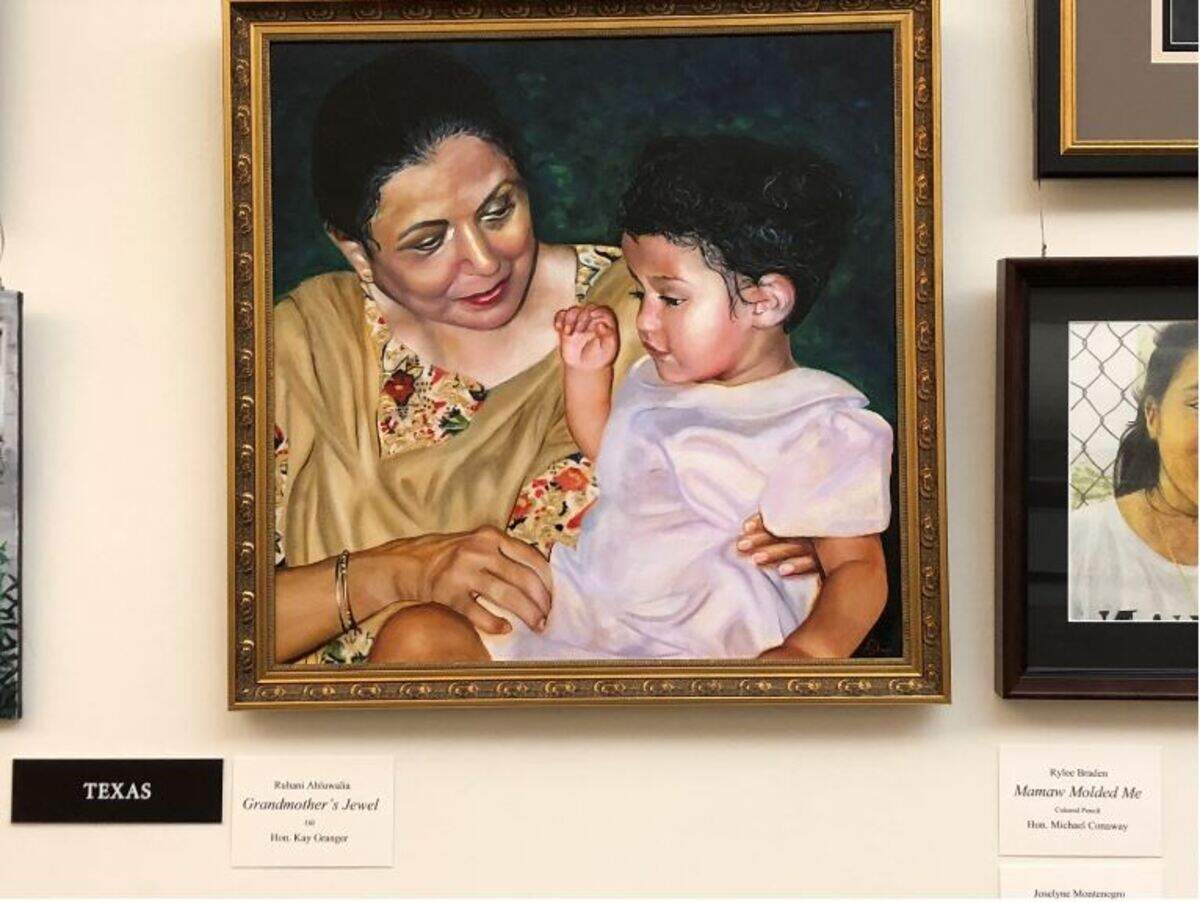
The winner from each district wins the chance to travel to Washington, D.C., to visit with their representative, and their artwork is displayed in the United States Capitol for one year.
Ruhani is also interested in singing.
“I don’t know what I would do without art and music,” Ruhani said. “I love singing. It’s a way to express myself.”
Ruhani said she is learning to manage her time, so she can continue to pursue her varied interests and remain a good student.
“I kind of feel like I’m trying to find a career,” Ruhani said. “That’s one of the biggest things I’m struggling with. I have goals for myself, but not one consistent goal. I want to get better at art and science. I want to have a career one day.”
Ruhani described the pressures of balancing high school and pursuing her interests as stressful. Her mother described the daughter’s concerns as normal, but both mother and daughter cringed when it was suggested Ruhani might be that rare Leonardo da Vinci type prodigy.
“I think there could be many children like her,” Jodhka said. “It took awhile to teach her the concepts she has learned, but I think a lot of kids could do them if they had the right mentorship.”
Ruhani’s younger brother, Pavan Ahluwalia, 11, is also interested in science, Jodhka said. Each child had opportunities to nurture their interests in science and other pursuits because they were exposed to those disciplines at an early age, Jodhka explained. As their mother, she put in the time, the effort, and tried to expose them to different learning experiences.
Hong Kong was that kind of experience, the mother said. Ruhani said she left Hong Kong with the impression that much of the country was pretty stable during their visit, yet, the people there yearned for democracy and freedom.
“Had she not gone there, we would have never known what’s happening,” Jodhka said. “It’s amazing that so many people are living there in relative harmony. We all have things in common. I don’t think we are really as different as we think. I think it’s a good realization for her. That in the end, we’re all the same.”