
Study: Universal pre-K could have unintended effects
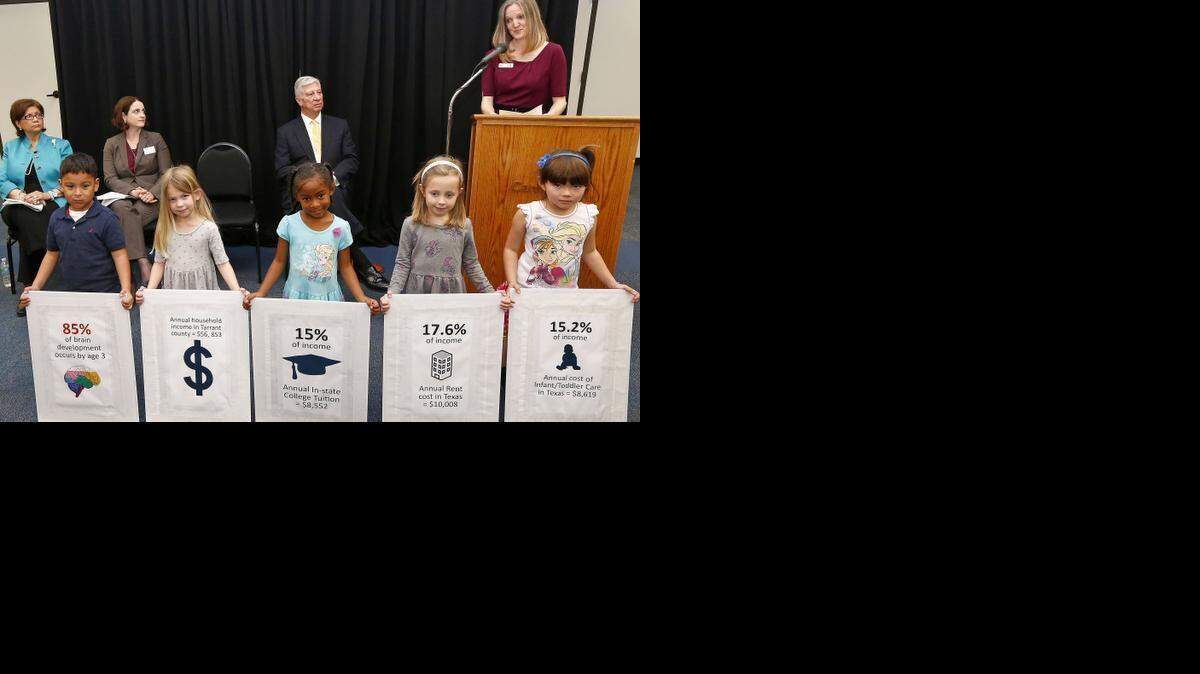
Parents of children 3 and under could end up paying more for day care as a result of the universal pre-kindergarten program in the Fort Worth school district, a study presented Tuesday by early childhood education advocates shows.
The same families might also have to compete for day-care slots, according to the study presented by Camp Fire First Texas.
“Families who are in this middle-income area will really struggle with that,” said Lyn Lucas, vice president of the group’s work and family division.
The 100-year-old nonprofit offers services for youngsters, including camping, child care and after-school programs.
Early childhood education advocates want to work with the Fort Worth district to place more pre-K teachers in child-care centers, get more federal money for early childhood education and increase professional development for day-care teachers.
Lucas was among several panelists who outlined concerns and how to resolve them based on the results of the study — “Impact of Universal Pre-Kindergarten on Community Child Care Providers in the Fort Worth Independent School District.”
District leaders said they are sensitive to the concerns and eager to find solutions.
‘Unintended consequences’
Twenty-nine child-care centers and 11 home-based programs lost 160 4-year-olds in September as the district began phasing in its universal program, which provides free pre-K to that age group, the study says. The lost enrollment creates instability that could lead to closings or tuition increases, it says.
Lucas said that early childhood education advocates support universal pre-kindergarten and that their aim is to address the “unintended consequences.”
“The child-care community, along with our public education community, we are all invested and interested and benefit from quality early education for all children” Lucas said.
Michael Sorum, chief of academics in the Fort Worth district, said that the state does not require pre-kindergarten and that the district is unlikely to enroll all 4-year-olds within its boundaries.
“Even if it were required, some parents will select private school or charter school options,” Sorum said. “Parents may continue to utilize other pre-kindergarten providers.”
He said the district wants to work with early childhood advocates to increase services for 3-year-olds. The district already collaborates with Head Start programs, contributing teachers to alternate with those in the program.
Universal pre-K
This school year was the first time the district made its full-day pre-kindergarten universal, or open to all families, said Patricia Rangel, district executive director of early academic success.
Of 355 new students, 150 were added as a result of universal pre-kindergarten. The rest were at-risk students who qualified for the pre-K program because they met certain criteria, such as family income or an inability to speak English.
The study comes as a districtwide groundbreaking is scheduled for Friday at Springdale Elementary, which is on track to get new pre-kindergarten classrooms.
Work is underway at Springdale, Diamond Hill, Greenbriar, Sam Rosen, Woodway and Alice Contreras elementary schools to add pre-kindergarten classrooms, expected to be ready by fall.
By fall 2016, 16 school sites will have new pre-K classrooms. The expansion was part of a $490 million bond program. About $24 million was set aside for pre-kindergarten classrooms.
Diane Smith, 817-390-7675
Twitter: @dianeasmith1
This story was originally published March 24, 2015 at 5:18 PM with the headline "Study: Universal pre-K could have unintended effects."