Flu, RSV already surging in Dallas-Fort Worth. Here’s what to expect this winter
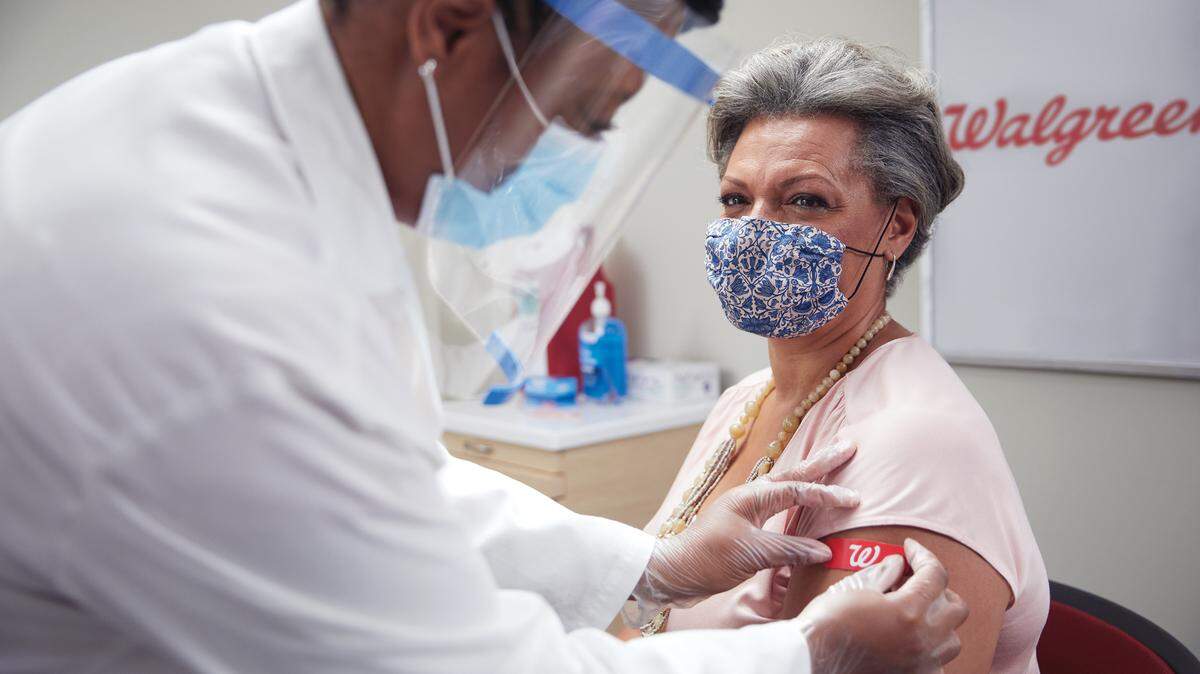
After two years of an almost nonexistent flu season, Fort Worth infectious disease doctors expect the coming fall and winter months to bring increased cases of flu and other viruses.
“For the past few years, we honestly haven’t seen that much of a flu season in the fall,” said Dr. Laura Romano with Cook Children’s Health System.
But so far in October, flu cases are already rising in Texas. Texas is among a handful of states that is seeing high levels of the flu, according to the U.S. Centers for Disease Control and Prevention.
And at Cook Children’s, cases of respiratory syncytial virus, or RSV, are increasing, Romano said.
“RSV is climbing very, very rapidly, much earlier than it normally does,” Romano said.
In all, Romano said, she expects the coming winter and fall months to bring an increase of all types of respiratory viruses, including COVID-19, flu, RSV, and other viruses like rhinoviruses and enteroviruses.
RSV cases increasing
Since September, cases of RSV have been climbing steadily in the Dallas-Fort Worth area, according to data from the state health department.
In most healthy adults, RSV causes only a cold. But the virus can be dangerous for young children, people 65 and older, and people with compromised immune systems.
“RSV to me is sometimes a little bit scarier than the flu,” Romano said. “For the flu, we have treatments and a vaccine to prevent it.”
But there is no vaccine for RSV, and fewer tools to prevent and treat serious cases of the virus.
Romano said the number of kids hospitalized with RSV has increased notably in October at Cook Children’s.
In a typical year, RSV causes about 58,000 hospitalizations and between 100 and 500 deaths for children younger than 5, according to the CDC. For people 65 and older, the virus causes 177,000 hospitalizations and about 14,000 deaths in a standard year.
Early start to flu season in Texas
In addition to the increase in RSV in North Texas, doctors are already seeing an early start to the flu season and expect cases to continue rising.
“Based on what we have seen in the Southern Hemisphere, it could foreshadow a busy flu season,” said Dr. Nikhail Bhayani, an infectious disease consultant with Texas Health Resources.
The state is already considered at “high” level of influenza-like illness, according to the Department of State Health Services.
Infectious disease specialists urged everyone able to get a flu shot and a COVID-19 vaccine and booster to do so. Flu shots are recommended annually for everyone over six months, according to the CDC. In a typical flu season, flu activity peaks between October and February. Based on that calendar, the CDC recommends that people be vaccinated during September and October.
Typically, only about 50% of Americans get an annual flu shot. Romano, of Cook Children’s, said she is worried that the overall decline in childhood vaccinations and an increase in vaccine hesitancy will cause fewer children and parents to get their seasonal flu shots.
“As pediatricians, we’ve all had a story of a patient who passed away from the flu,” she said.
As a medical student, Romano treated a baby who died on Christmas Day from influenza.
“We all have those stories,” she said.
Like the COVID-19 vaccine, a seasonal flu shot won’t guarantee that you won’t get the flu. But it will significantly decrease your risk of serious illness and death, Romano said.