Monkeypox spread slowing in Tarrant County, public health official says
The growth of new monkeypox cases is starting to slow in Tarrant County.
The monkeypox virus, also known as MPV, began spreading quickly in the U.S. earlier this year. But in the last two weeks, the number of new cases has slowed, said Vinny Taneja, director of the county public health department
“We’re stabilizing,” Taneja said. “I’m starting to see a little bit of a downtrend develop in our national data and I think we’re following that trend here in Tarrant County.”
Last week, Tarrant County reported 10 new cases of the virus, compared to 17 the week before. Nationwide, the number of daily new cases has dropped by more than half, from a daily average of 406 reported cases in August to about 200 per day in September, according to data from the U.S. Centers for Disease Control and Prevention.
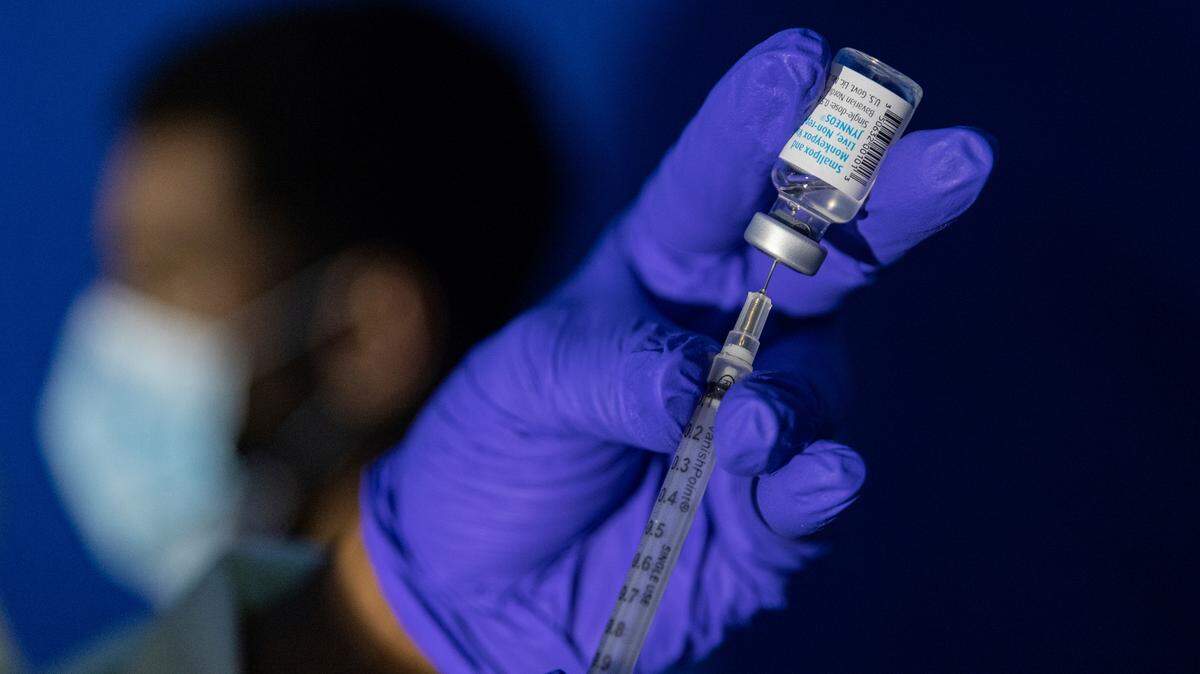
Because demand for Jynneos vaccine has declined, Tarrant County Public Health will close a dedicated MPV vaccination site by Friday, Taneja said at a public meeting Tuesday.
Instead, the vaccine will be available at all of the Public Health vaccination locations starting Oct. 1.
“It’s going to be a routine part of the operation,” Taneja said.
Although MPV is rarely fatal in healthy adults, it can often cause intense pain and discomfort among people who are infected.
The virus has also impacted Black men at much higher rates than other racial and ethnic groups. In Tarrant County, Black residents make up more than half of all reported cases of the virus, despite making up only about 17% of the county’s population, according to data from Tarrant County Public Health.
Public health experts have said the same barriers that cause Black Americans to have a higher rate of HIV — racism, reduced access to health care, stigma, and homophobia — are likely also causing Black Americans to suffer higher rates of MPV.
If you believe you have been exposed to the virus or need to access testing, you should call the Tarrant County Public Health call center at 817-248-6299. The call center is open on weekdays between 8 a.m. and 6 p.m.
This story was originally published September 29, 2022 at 1:43 PM.