North Texas has a critical shortage of psychiatrists. A new JPS program will train more
The children’s mental health crisis is facing two converging crises: More children are experiencing mental illnesses, including more dying by suicide, but there aren’t enough psychiatrists to care for all the kids needing help.
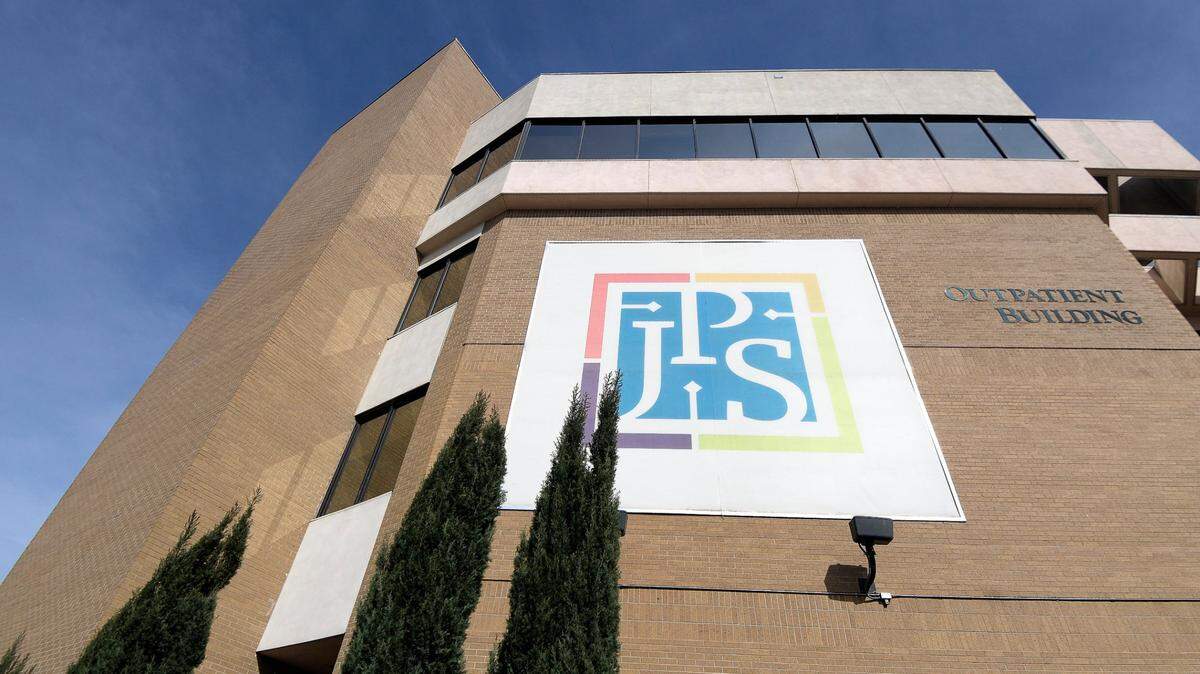
A new program at JPS Health Network will respond to both needs. The county hospital system announced Aug. 24 it is adding a child and adolescent psychiatry fellowship program that will train psychiatrists to care for children with some of the most severe mental illnesses. The program will also bring four additional psychiatrists to Tarrant County for the duration of their fellowship, and could increase the chances these highly trained doctors stay in the state.
“It’s been a dream of the department for a really long time,” said Dr. Gunit Kahlon, a child and adolescent psychiatrist at JPS.
The fellowship will add to JPS’ robust offering of advanced training for physicians. The hospital already operates the largest family residency program in the U.S., through which it trains family medicine doctors after they have finished medical school.
The program, which will begin in July 2023, will recruit doctors who have already finished a general residency psychiatry program who want to train to work with children and teenagers. For doctors, fellowships are optional, additional training they may undertake after they complete a residency to allow them to become specialists in a certain type of care. JPS plans to recruit two fellows per year, according to a news release from the hospital.
Experts say it’s too soon to understand the full impact of the COVID-19 pandemic on children’s mental health, but early signs are worrisome. The American Academy of Pediatrics declared children’s mental health an emergency last year, as rates of suicide among young people and emergency room visits for mental health needs rose sharply in 2020 and 2021. Suicide was the second-leading cause of death among Tarrant County residents 10 to 24, according to federal death certificate data, and the rate of suicide in the county has been increasing for the last decade.
But even if the COVID-19 pandemic hadn’t caused mental illness in the U.S. to increase, children and teenagers have been needing better care for years.
Texas has been working to train and recruit more doctors, and especially more psychiatrists. The North Texas region had just 64% of the psychiatrists needed to adequately treat all residents needing mental health care, according to projections published in May 2020. That shortage — deemed “critical” by the state — is projected to get worse by 2032. There are about 150 psychiatrists who work in Tarrant County, according to the state.
“The hope is with this fellowship, you are increasing the amount of psychiatrists available to the child and adolescent population,” Kahlon said. “There’s a huge shortage, there’s a long wait list, and we’re trying to be part of the process to decrease that as well as increase access to care.”
As the county’s safety net hospital, JPS treats a large number of patients who don’t have health insurance, and thus have limited options to receive care.
This story was originally published September 1, 2022 at 5:00 AM.