RSV cases are increasing in Texas. Why Fort Worth could see another off-season surge
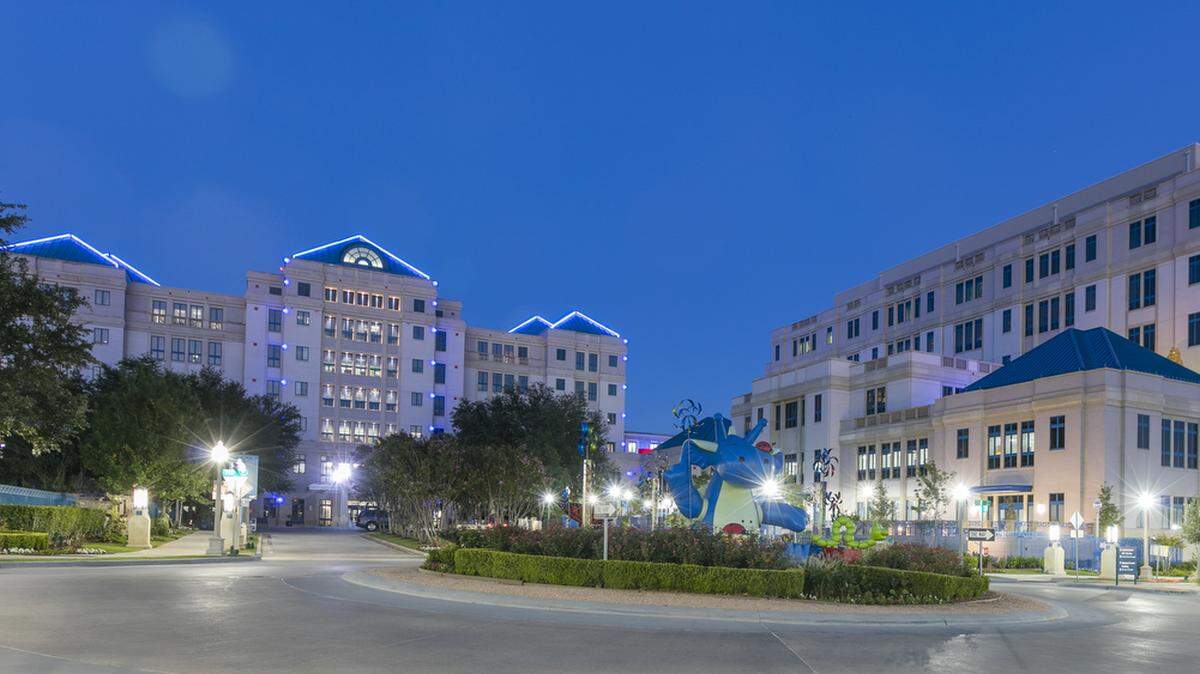
Fort Worth pediatricians are preparing for an unusually timed increase in RSV cases among young children this summer, the second year in a row that the virus that usually causes winter colds is spreading during the summer months.
Cases of respiratory syncytial virus, or RSV, are on the rise in young children within the Cook Children’s health system, said Dr. Nicholas Rister, a pediatric infectious disease doctor. Statewide, the share of people testing positive for the virus is also increasing.
Normally, there would be almost no cases of RSV in early June.
“We’re right at (the time) where it should be dying down, if not absent. And we’re starting to see numbers go up,” Rister said.
In a typical year, RSV season peaks between mid-December and February, when other respiratory illnesses like influenza are also at their height. But the COVID-19 pandemic has disrupted the typical RSV and influenza seasons for the last two years, with limited spread of both viruses during the winter months.
Instead, RSV circulated during the summer months last year. And Texas appears poised for another summer peak in the coming weeks.
For most healthy adults and children, RSV causes nothing more than cold-like symptoms. But in infants and young children, as well as the immunocompromised and some people 65 and older, RSV can cause more severe disease and death. RSV is a leading cause of respiratory infection among young children, said Aubree Gordon, an RSV expert and associate professor at University of Michigan’s school of public health.
“As a parent, particularly for really young infants, I worry a little bit more about RSV than SARS-CoV-2,” said Gordon, referring to the name of the virus that causes COVID-19. “RSV is just a really tough infection on infants.”
In a standard year, RSV causes about 58,000 hospitalizations and between 100 and 500 deaths for children younger than 5, according to the CDC. For people age 65 and older, the virus causes 177,000 hospitalizations and about 14,000 deaths in a year.
There is no vaccine for RSV, and there is no proven treatment for the virus itself. Doctors can provide supportive treatments for infections, as well as preventive treatments for infants born prematurely or who have unusually small airways, who are at high-risk for serious infection.
Exactly why how the COVID-19 pandemic has spurred unusual RSV seasons is unclear, Gordon said. It could be because preventive measures like masks and increased isolation during illnesses decreased the spread of the virus in winter months. Or there could be viral interference, in which the virus that causes COVID-19 is affecting or otherwise disrupting RSV.
“We see these altered patterns for several years after major outbreaks,” Rister said. “It’s very likely that we’ll get back into normal patterns down the road. But I wouldn’t be surprised if it takes a couple more years until things start to kind of get back into a new routine.”