More Texans are requesting abortion pills online after six-week ban, research finds
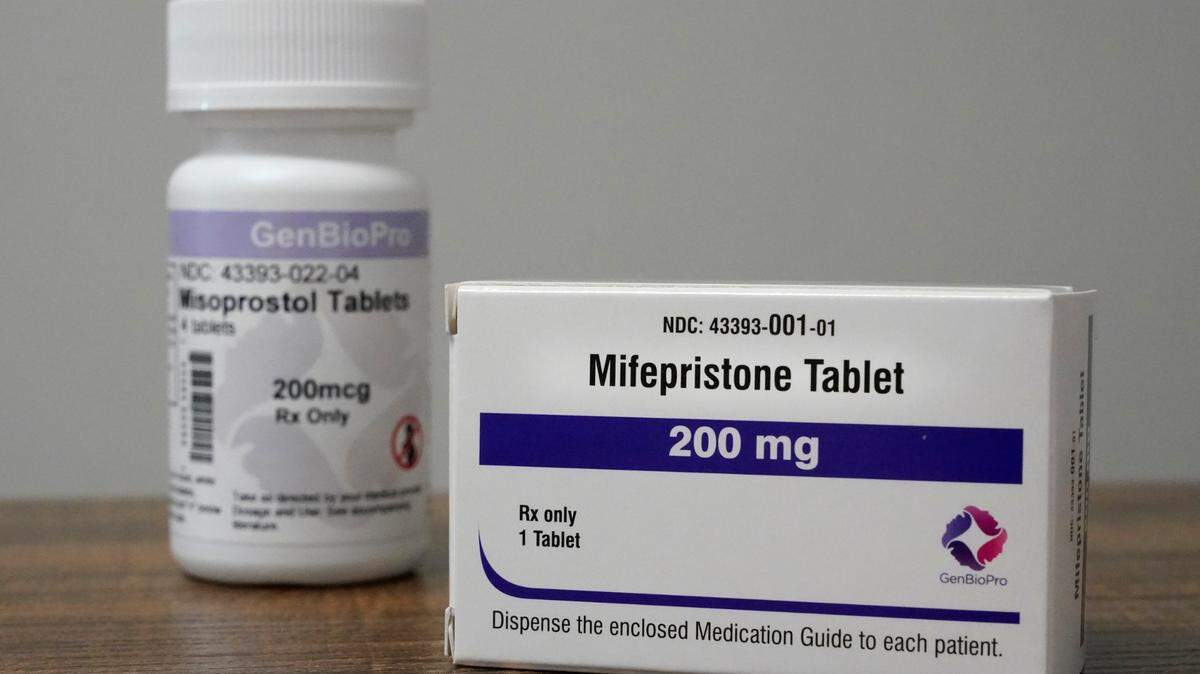
Requests for abortion pills from Texans nearly tripled in the months after the state’s six-week abortion ban went into effect Sept. 1, according to research published Friday.
The number of Texas residents requesting abortion pills from the international nonprofit Aid Access increased significantly after a law severely limiting abortions went into effect, the study found. The new law, known as Senate Bill 8, is the most restrictive abortion law in the nation, and bans almost all abortions after fetal cardiac activity can be detected, which usually happens at about six weeks of pregnancy. That time frame is before many women have realized they are pregnant.
Researchers reviewed requests sent to Aid Access, a nonprofit that will mail abortion pills to anyone who requests them. People seeking abortion pills can go online and fill out a form telling Aid Access where they live, how far along their pregnancy is, and any risk factors they might have. The nonprofit requests a donation of $110, but will accept reduced amounts.
Before Senate Bill 8 went into effect, Aid Access received an average of about 10.8 requests per day from Texas. In the first week after the bill went into effect Sept. 1, demand spiked, and the nonprofit received 137.7 requests per day. In the weeks and months that followed, demand for abortion pills waned after the initial spike, but still remained well above the average before the law went into effect. From Oct. 1 until the end of the year, Aid Access received an average of 29.5 requests per day from Texas.
The increase in requests for abortion pills coincided with a drop in the number of legal, in-clinic abortions in the state. In September 2020, there were 4,511 abortions in Texas clinics, according to state data. A year later, there were 2,164 abortions in state clinics.
“We do think that self-managed abortion is filling part of the gap that Texas clinics cannot fill right now because of Senate Bill 8,” said Dr. Abigail Aiken, the lead researcher on the study.
Dr. Sarah Prager, a professor of obstetrics and gynecology at the University of Washington’s medical school, said the study indicated that more women were turning to Aid Access for abortions. Prager was not involved in the new research.
“It shows that going outside of the usual medical system to obtain an abortion is reasonably doable, and certainly has been shown to be effective and safe for most people,” Prager said.
Prager noted that Aid Access only serves patients who are up to 10 weeks pregnant, and that although some patients prefer to have at-home abortions, others might be more comfortable in a clinic.
Senate Bill 8 “is still eliminating options,” she said.
Anti-abortion activists in the state have applauded Senate Bill 8 for reducing the number of legal abortions in the state. About 59% of Americans believe abortion should be legal in all or most cases, according to polling data from the Pew Research Center, and about 39% believe is should be illegal in all or most cases.
There are limitations to the research. First, the study looks only at requests for abortion pills, which does not necessarily mean that the people who requested the pills ended up taking them.
Aid Access operates outside of the formal U.S. medical system. A new law in Texas criminalizes the act of mailing any drug or substance that is intended to be used for an abortion. Legal experts have said it would be extremely difficult for Texas to enforce its law against international groups.
The full effect of Senate Bill 8 remains unclear until additional data is published. The total number of women who have traveled to other states for abortions is unknown. Anecdotal reports from clinics and abortion funds estimate that hundreds of people have crossed state lines to end their pregnancies.
Also unknown is how many people decided not to get an abortion, and instead carried their pregnancies to term.
County-level data on abortions since the law went into effect has not yet been published by the state. In 2020, at least 4,943 Tarrant County residents had an abortion, according to the state’s data.
This story was originally published February 25, 2022 at 11:25 AM.