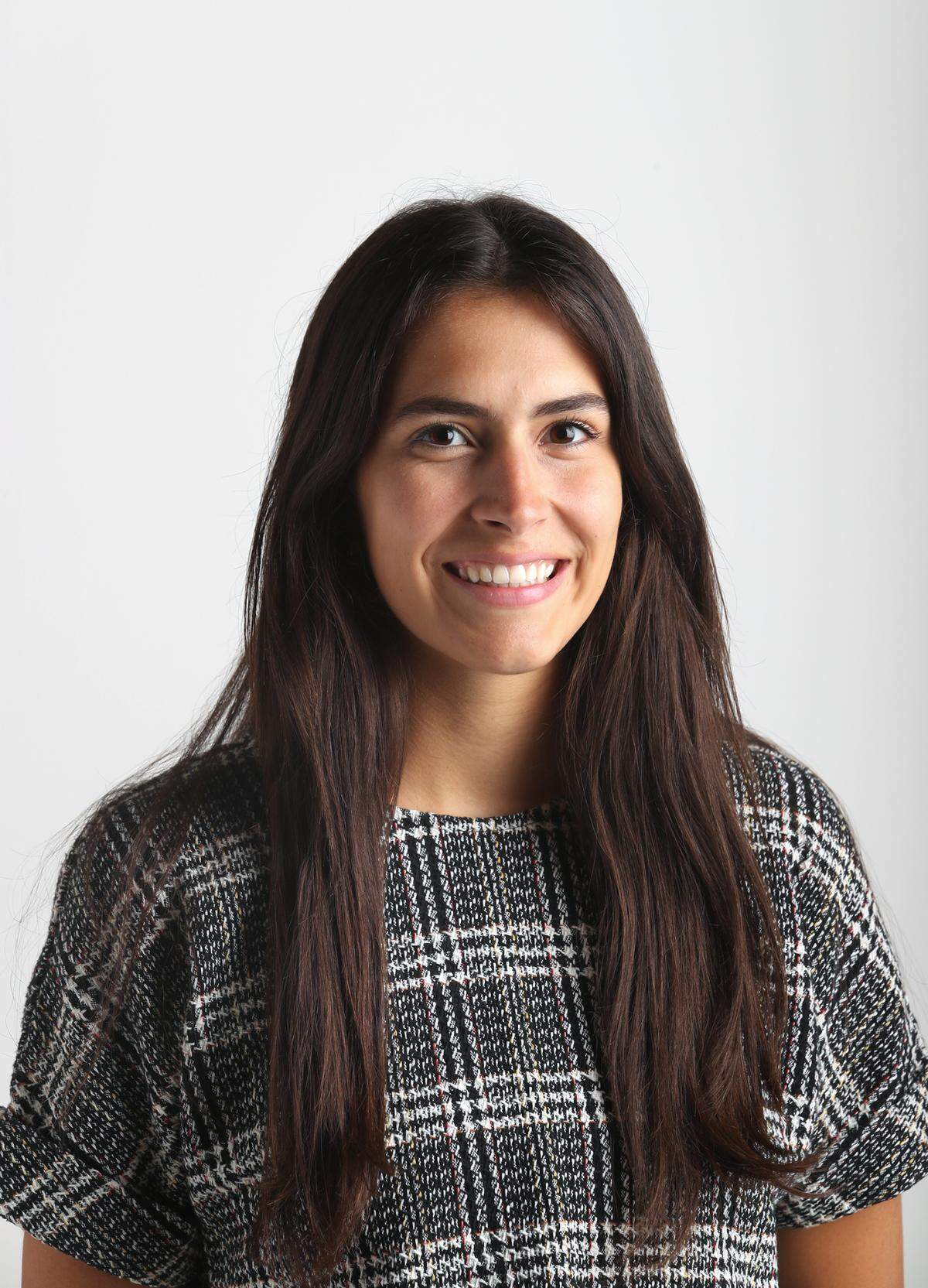
She led protests over campus housing. Now the NAACP is honoring this Euless Trinity grad

During her freshman year at Howard University, Channing Hill joked that her dorm room study buddies were the rats crawling around. That same year she was treated for an allergic reaction to what she later suspected was an abundance of mold in the building.
Two years later, Hill and seven other students led the longest student protest in Howard’s history, demanding that the school in Washington, D.C., take action against inadequate student housing.
For her leadership, Hill, 20, won a NAACP Image Award as Youth Activist of the Year. The annual award is given to a young person for their work raising awareness in social justice, environmental rights, gender equality or other forms of activism. Hill grew up in Euless and graduated from Trinity High School. The NAACP Image Awards will be broadcast Saturday on BET.
“Joining the protest and becoming a leader in the protest, to me, there was never a conscious choice there,” Hill said. “It was just always what I had to do.”
Howard’s dorms were known for their poor living conditions for decades, Hill said. The university’s dorms have a history of rodents, mold and regular flooding, and the school doesn’t have enough on-campus housing for all of its students. Students brought up these concerns in 1989 and again in 2018. The frustration came to a head during the 2021 fall semester when hundreds of students returning for in-person classes did not have a place to live.
“To have housing at Howard is a privilege to have housing without rats, roaches or mold is unheard of,” Hill said.
Student government and several organizations planned a town hall with the university administration to discuss housing issues, but the administrators failed to attend. This sparked a 34-day takeover of the Blackburn University Center. At the peak of the protest, 150 students spent the night at the center.
The protest gained national recognition. Sen. Elizabeth Warren tweeted her support and actress Debbie Allen made an appearance at Blackburn. And as president of Howard’s NAACP chapter, Hill took on leadership roles by writing speeches, press releases and communications back and forth with the university during the sit-in.
But Hill said being involved in the protest was difficult. The university intimidated students with police presence, she said. One student was choked by police, Hill said. The university also threatened to sue and expel the students involved in the protests.
“It’s kind of hard to go back and explain what these nights looked like,” Hill said. “We were in this building, conscious everyday that our very lives were in danger because it’s not just your physical life, but also, if I get expelled, where am I going?”
On Nov. 15, Howard University and the student protesters reached an agreement. The university promised not to discipline protesters and to address the mold issue. The students agreed to leave Blackburn.
In a statement, university President Wayne Frederick expressed relief at the protest’s conclusion and emphasized the importance of safe and accessible housing for students.
“Even one issue in one of our residence halls is too many and we will continue to remain vigilant in our pledge to maintain safe and best in class housing,” Frederick said.
But Hill said not all of the dorms’ issues are solved. Last week a dorm flooded and displaced students out of their rooms.
“We’re still working, but I’ve never heard of a college campus where the dorms flood three or four times a year,” Hill said.
Hill said she’s proud that she and the other students helped create a campus environment where students don’t feel like they have to be silenced.
And for Hill, winning the Image Award is a reminder that they did the right thing.
“It was just so affirming that I’m doing what I’m supposed to be doing,” Hill said.
Hill is a junior strategic legal and management communications major, and she hopes to attend law school after graduating from Howard.
Hill’s father, Clarence, covers the Dallas Cowboys for the Star-Telegram.