More than 1 in 10 Fort Worth babies are born early, a worrying sign for infant health
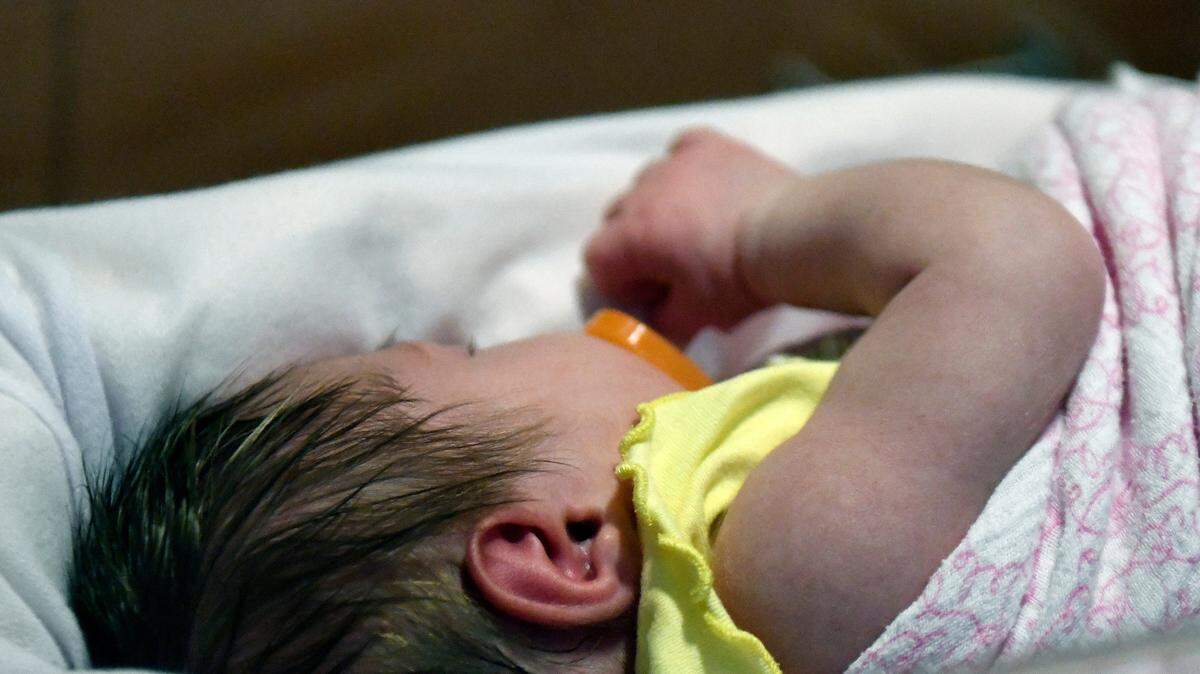
A larger share of Fort Worth babies are born prematurely compared to the rest of the state and the rest of the U.S., and the problem is particularly acute for Black babies, according to a new report on maternal and infant health.
In 2019, 11% of all babies born in Forth Worth were born prematurely, according to the 2021 annual report from March of Dimes. A premature birth is any birth that occurs before 37 weeks of gestation.
Fort Worth’ preterm birth rate is slightly higher than the Texas rate, where 10.8% of babies are born preterm. Both local and state rates are higher than the U.S. as a whole, which had a preterm birth rate of 10.1% in 2020, a slight decline from the previous year.
Fort Worth’s birth rate earned a “D” score from the nonprofit, which evaluated cities with more than 100,000 residents and with the most live births in 2019. The nation as a whole got a C- grade. Most babies born premature are born between 32 and 36 weeks gestation, and survival rates of these children have improved dramatically thanks to medical advances.
“While survival is quite good at this point in a pregnancy, it is not without risk,” said Michelle Kelly, an associate professor at Villanova University’s college of nursing. “Children born early can experience health and learning difficulties that can follow them throughout childhood and into adulthood.”
Kelly was not affiliated with the March of Dimes research.
Preterm birth has been associated with a number of different outcomes for the child, including mental health disorders and other chronic conditions. And despite recent improvements in infant mortality, preterm birth and low birth weight remain the second leading cause of infant mortality, which is defined as any child who dies before reaching their first birthday, according to the U.S. Centers for Disease Control and Prevention.
March of Dimes outlined different policy steps to improve maternal and infant health. In Texas, the recommendation remained the same as it has been for years: To expand Medicaid coverage to include more poor Texas adults, including Texas moms, who sometimes only have health insurance during their pregnancy and for several months after.
Experts have said that mothers need health coverage and health care before, during, and after their pregnancy to keep both mother and baby healthy, said Seetha Modi, the North Texas director of maternal and infant health for March of Dimes.
“We really have to get Medicaid expansion,” Modi said. “It is hurting our moms and babies significantly. Democrats and Republicans all have babies, and I think we need to start thinking about this as a public health issue, and what makes the most sense from a health perspective.”
Republican leaders including Gov. Greg Abbott have remained staunchly opposed to Medicaid expansion in Texas for the last 10 years, although Medicaid expansion has become an increasingly popular idea among Republican and Democratic voters.