Thousands in Fort Worth would gain health insurance coverage under Build Back Better
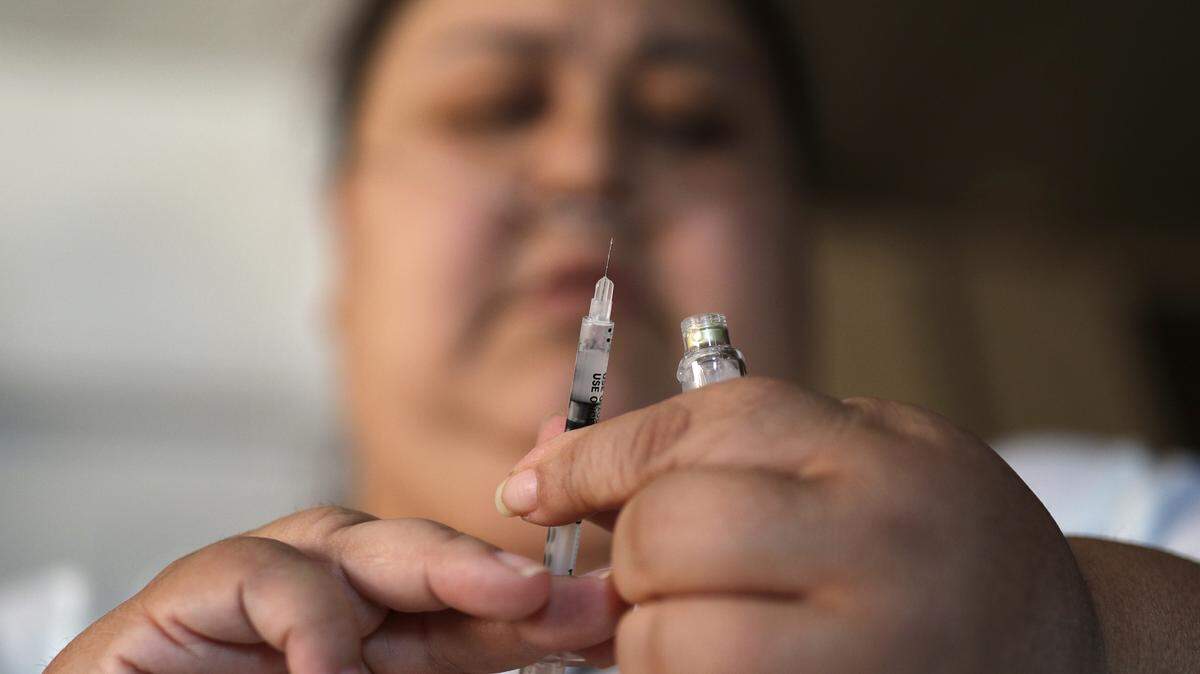
An estimated 78,000 Tarrant County residents could qualify for free or very low-cost health insurance through the Build Back Better Act, the massive social infrastructure bill that passed the U.S. House this month.
The legislation, one of the most ambitious social safety net and climate proposals in decades, would be particularly impactful in Texas. Its proposals would fill a health care hole that advocates in the state have long tried to repair: The Medicaid coverage gap.
The Medicaid coverage gap refers to the 770,000 poor Texas adults who do not qualify for Medicaid, the joint federal and state health insurance program that provides free or very low cost health insurance to people with low incomes.
Texas is one of 12 states that has refused to expand Medicaid since the option was offered to states through the Affordable Care Act, better known as Obamacare, in 2010. Instead, Texas leaders like Gov. Greg Abbott and Attorney General Ken Paxton have led challenges against the Affordable Care Act.
The U.S. Supreme Court declined to hear a challenge to the law for the third time in June.
To provide free health coverage to poor adults in Texas and the 11 other holdout states, Build Back Better offers a workaround to traditional Medicaid expansion. People making less than $12,880 a year for an individual would be able to get a plan on the federal marketplace for free. Adults making between $12,880 and $17,774 would qualify for very lost health plans.
Public health advocates throughout the state have been fighting for Medicaid expansion for more than a decade, and have labeled Build Back Better’s proposals as the best option for poor Texans to get health coverage.
“I’m really a proponent of anything that cost effectively gets people into coverage, so they can get the services they need,” said Elena Marks, president and CEO of the Episcopal Health Foundation.
Dr. Laura Guerra-Cardus, the deputy director of Children’s Defense Fund - Texas, said passage of the bill was essential for Texans.
“A coverage option that starts in January is remarkable,” Guerra-Cardus said. “Yes, we have work left to do, because what we need as a permanent solution to the coverage gap. But this is the most realistic and immediate path forward to get Texans the critical health care coverage they need.”
Texas has more uninsured residents than any other state in the nation, as well as the highest rate of uninsurance, according to census data. About one in every five Texans did not have health insurance in 2018, the most recent year for which data are available. The uninsured rate in Tarrant County is comparable to the state’s rate, with about 18% of county residents lacking coverage.
Build Back Better would not automatically give free health insurance to every uninsured resident in Texas. Undocumented immigrants are not eligible for the plans, and residents who are eligible would still have to enroll to get coverage.
But, if Build Back Better becomes law, it would transform the Texas health care system. Researchers with Texas A&M University previously estimated that about 78,000 county residents could benefit from a traditional Medicaid expansion, which would offer health coverage to adults younger than 65 earning up to 138% of the poverty level, or about $17,774 a year for an individual. Of the 78,000 adults in the researchers’ estimate, some may already been able to purchase low-cost insurance through the federal government’s marketplace subsidies.
Medicaid expansion has grown in popularity in the last decade, including among Republican voters and lawmakers.
The legislation was approved by the U.S. House of Representatives along party lines. The legislation is currently in the Senate, where Sens. Ted Cruz and John Cornyn, the Republicans who represent Texas, have both voiced opposition to the act.
The Congressional Budget Office estimates that, nationwide, about 3.4 million people will gain insurance coverage through 2025. The CBO also estimated the legislation would increase the federal budget deficit by $160 billion over 10 years.