Defense wants Athena Strand killing suspect’s police interrogation thrown out

Lawyers for the former FedEx driver who is accused of kidnapping and killing 7-year-old Athena Strand in 2022 want the suspect’s police interviews thrown out, new court filings say.
Judge George Gallagher is presiding over the case, in which prosecutors are seeking the death penalty for Tanner Horner.
The trial is scheduled to begin in April 2026. Horner, who was delivering a package of Barbies to Athena’s father’s house in Wise County before Christmas, confessed to investigators that he hit the girl with his FedEx truck and after panicking and kidnapping Athena, he strangled her and dumped her body, according to an arrest warrant affidavit.
Horner’s attorneys, Susan Anderson and Steven Goble, filed a motion on Dec. 4 to suppress Horner’s police interrogations, arguing that during the course of three separate conversations with law enforcement officers, Horner properly invoked his right to consult with an attorney, but that the interviews continued anyway.
In December 2022, law enforcement officials called Horner, who said he “had a hard time with understanding and following numbers due to having Asperger’s,” according to the filing. The next day, when police brought Horner in for an interview, Horner again brought up his Asperger’s syndrome, his attorneys wrote.
Horner said that he understood when Texas Ranger Job Espinoza read his Miranda rights, but later on, Horner asked: “Can I – how does the attorney thing work?”
Espinoza, according to the filing, said that he could not give “any kind of legal advice.”
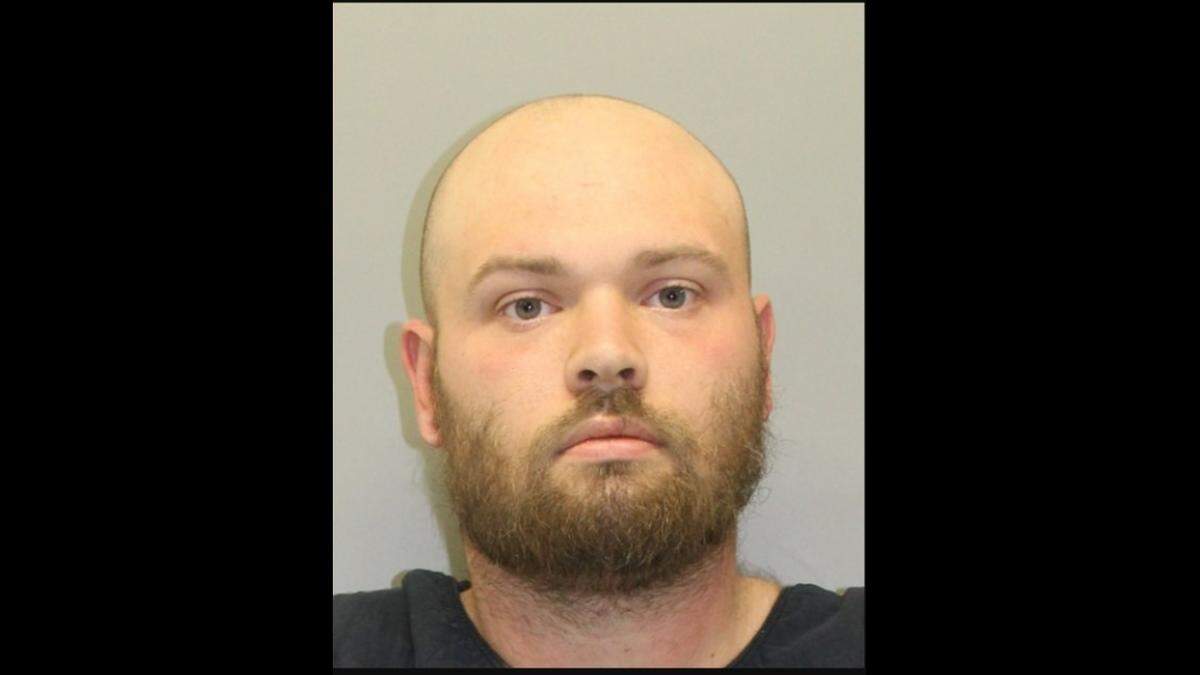
In another exchange, the attorneys wrote, Horner asked, “What happens if I get an attorney right now?”
An investigator responded, “If you get an attorney right now? I mean, that’s your choice, your legal right.” Horner then said, “I know, but what would happen?” and the investigator answered, “You’re still going to go through the process of going to jail. You’re still going to do all that. So ... I’d like you to be honest with us and finish this out.”
The defense’s argument is the law enforcement officers should have taken what Horner said as an assertion of his rights to consult with an attorney, rather than asking for legal advice — and it offers clues into their potential defense strategy. The attorneys also argue that Horner’s questions showed he didn’t understand his Miranda rights and, therefore, he couldn’t legally have waived those rights.
Horner was appointed an attorney before his third conversation with law enforcement, but that lawyer was not notified that the interview was taking place, according to the motion.
Judge Gallagher told attorneys this week that he will listen to the six hours of police interviews before he rules on the defense’s motion.
On Wednesday, Espinoza testified about his interviews with Horner as the judge weighed whether to suppress the material.
Espinoza said that he was among the first officers to make contact with Horner, driving him along his FedEx route to retrace his steps before Horner showed Espinoza the location in Boyd where he had left Athena’s body.
During that drive, Espinoza said, Horner commented that he wouldn’t be able to go to work the next day and said that the ride in the back of his police car was “the best Uber ride he’s ever had.”
Espinoza also said that it isn’t in his job description as a Texas Ranger to help people understand the legal process, and that his only responsibility was to make Horner aware of his right to an attorney.
Horner’s defense team is arguing that Horner did not understand the legal process around getting an attorney, and because of that, he did not properly waive his right to one.
The judge said that he will make a decision later this week on whether to suppress the interview material. More expert witnesses are expected to testify on Thursday.
Horner’s lawyers have emphasized his Asperger’s before. In January 2024, after Horner attempted suicide in the Wise County Jail, his attorneys asked to have him moved to a different detention facility so that he could be monitored 24 hours per day. The only location where he could be monitored continuously in the Wise County Jail was the booking area, where his symptoms were aggravated by “substantial noise and frequent traffic,” his attorneys wrote.
Attorneys alleged that Horner was sleeping on a thin mattress on a concrete floor without access to showers or communication devices that other inmates had.
Capital murder trial moved to Tarrant County
Horner was relocated to the Tarrant County Jail. The trial also will be held in Tarrant County because attorneys argued Horner could not receive a fair trial in Wise County.
Death penalty prosecutions in Texas can only be applied to capital murder cases, and they have two phases. During the first phase, a jury will consider whether a defendant is guilty of capital murder. During the second phase, the jury will consider whether to sentence the defendant to death or life without parole. Horner pleaded not guilty to Strand’s killing in 2023.
This week, a series of pretrial hearings in the case are taking place in a downtown Fort Worth district courtroom as prosecutors and defense attorneys get testimony from several potential expert witnesses.
Three potential experts were interviewed on Tuesday. On Monday, attorneys discussed questions that will be included in a questionnaire for potential jurors to answer. Jury selection will take roughly seven weeks.
Next week, pretrial hearings will include testimony from other expert witnesses connected to three counts of child sexual assault filed against Horner in Tarrant County.
According to court records, the sexual assault charges are not connected to the capital murder case, but instead stem from an investigation by Fort Worth police of three incidents that occurred in 2013 in Tarrant County.
An FBI digital forensics analyst who testified on Tuesday noted that investigators had not found any materials depicting child sexual abuse on Horner’s devices.
This story was originally published December 9, 2025 at 6:50 PM.