Ex-mayor, police chief testify at hearing about moving former Fort Worth officer’s trial
On the second day of pretrial hearings for the Aaron Dean murder trial, attorneys called various city officials to the witness stand in the defense team’s bid to have the former police officer’s trial moved out of Tarrant County.
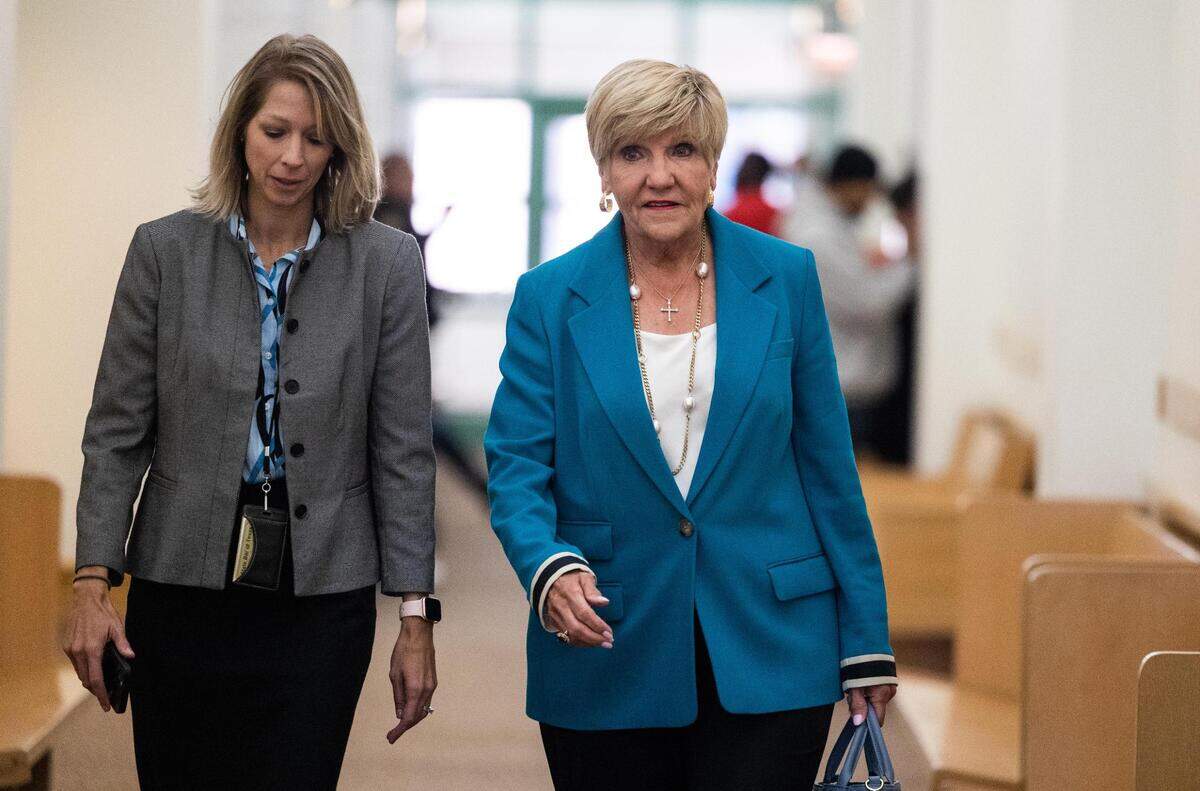
Former Mayor Betsy Price, former Police Chief Ed Kraus, District 8 Councilman Chris Nettles, and Robert Huseman, former law enforcement investigation chief for the Tarrant County Criminal District Attorney’s Office, took the stand Thursday morning.
Judge George Gallagher did not make a ruling on the motion Thursday. Jury selection will proceed on Nov. 28, and the trial is set to begin on Dec. 5.
Defense attorneys Bob Gill and Miles Brissette filed the motion for a change of venue on Tuesday afternoon. The pretrial hearings — which started Wednesday — have been scheduled since August, and prosecuting attorney Dale Smith called the defense team’s last-minute filing “an ambush.”
The motion for a change of venue argues that “influential persons in the county have instigated a dangerous combination against Mr. Dean by reason of which Mr. Dean cannot expect a fair trial in Tarrant County for this case.” The motion specifically mentions Price, Kraus and Nettles as examples of “influential persons.”
Many of Gill’s questions focused on the information Kraus and Price disseminated to the public in the days after Dean shot and killed Atatiana Jefferson at her family’s home on Oct. 12, 2019. He questioned Kraus about whether it would be accurate to say Jefferson possessing a gun at the time of the shooting was relevant or not.
“If someone at a briefing said the gun Atatiana Jefferson had was irrelevant,” Gill asked Kraus, “would that be inaccurate?”
“They might think it is (irrelevant),” Kraus said.
“Would it be inaccurate?” Gill asked again.
“Yes,” Kraus said.
Gill was referring to a statement Price made at a press briefing in the days after Jefferson was shot, in which she said Jefferson’s gun was irrelevant to the investigation because homeowners have a right to be armed on their own property. When Gill questioned Price about her statement at Thursday’s hearing, she reiterated her reason for describing the gun as “irrelevant.”
“Citizens have a right to have a weapon in their home,” she said from the stand.
According to the arrest warrant for Dean, Zion Carr — Jefferson’s then 8-year-old nephew who witnessed his aunt’s shooting — told Fort Worth police that Jefferson grabbed a handgun from her purse when she heard someone in the back yard at her home on East Allen Avenue. Unbeknownst to Jefferson, her neighbor had called a non-emergency line to ask for a welfare check at the house because the front door was open, which he said was unusual at the early morning hour. Dean and his partner did not announce themselves and went into the back yard.
Body-camera video of the shooting shows officers go through the yard to the back of the house, where Dean appears to see a figure through a dark window, and he quickly twists his body to the left, shining his flashlight at the window.
“Put your hands up! Show me your hands!” Dean shouts through the window, his gun drawn. He immediately fires a single shot through the window, killing Jefferson, the video shows.
When questioning Huseman, Gill asked the former investigator about a meeting he had with District Attorney Sharen Wilson the Monday after the shooting. Huseman said while he and other members of the investigative team were in Wilson’s office, she received a call from Kraus and asked them to leave the room. Wilson spoke with Kraus for about 15 minutes, and Huseman and his team went back into the room.
On cross examination, prosecuting attorneys Dale Smith and Ashlea Deener asked whether it was unusual for law enforcement to talk about arrests and prosecution with the DA’s Office. Huseman said that was not unusual. During Kraus’ testimony, Kraus said he did not remember the call with Wilson from three years ago, but also said it was not unusual for the Fort Worth Police Department to talk with the DA’s Office about cases.
Gill also asked Price about the “racial aspect” of the case. The change of venue motion argues “influential persons” seek “to make a racial issue out of the Dean trial.”
“Is there a racial aspect to this case?” Gill asked Price.
“It depends on who you’re asking,” she replied.
He asked if the case “drew racial lines” or was seen as racial. Price said for some communities, specifically the Black community, the case drew racial lines because Dean is white and Jefferson was Black.
‘Pretrial publicity’
Gill questioned Nettles about how much he publicized the case when he ran for city council. Nettles’ campaign focused on obtaining justice for Jefferson, and he delivered a letter to the DA’s Office in June 2021 urging the court to conduct the trial more quickly in the interest of justice. Gill asked Nettles how many people may have seen his press releases, livestreams and media content about Nettles’ push for a swift trial to be held in Tarrant County. Nettles said he does not know how many people would have seen that information.
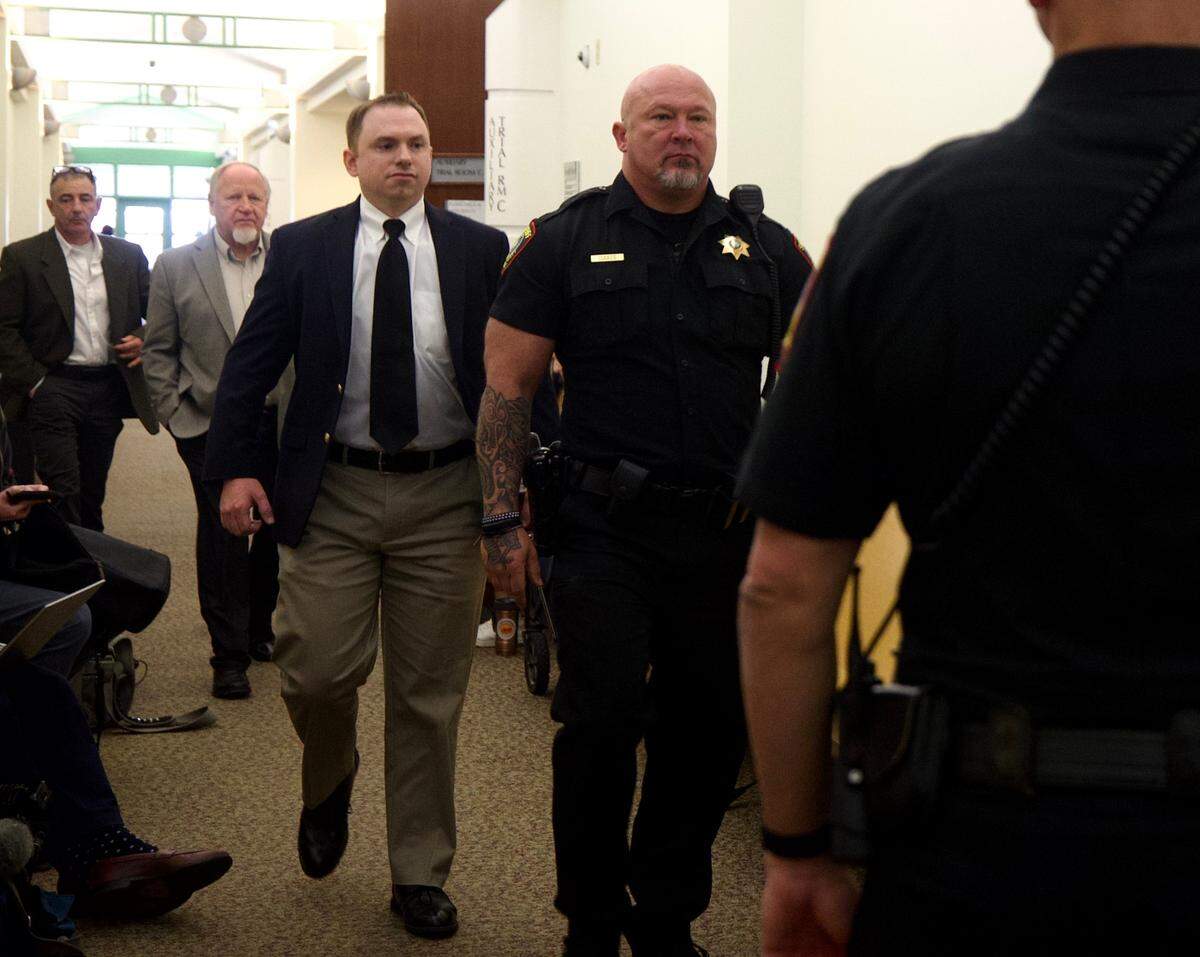
The defense team previously filed a change of venue motion in November 2021 and argued pretrial publicity and media coverage makes it impossible for Dean to obtain a fair trial in Tarrant County. The motion was denied by Judge David Hagerman in May. Hagerman ruled that while media coverage had been pervasive and prejudicial, the coverage had not been inflammatory. Hagerman was later removed from the case and replaced by Judge Gallagher.
In the second half of Thursday’s hearing, the defense called an expert witness to the stand to testify about biases potential jurors may or may not have if they hear about a case before a trial. Jeanine Galusha, a neuropsychologist who specializes in forensic psychology, answered questions from Gill and Smith about bias in jury pools. She explained that research shows people have difficulty overcoming bias even if instructed to rely only on evidence presented at trial.
She discussed emotional bias, for example, and said potential jurors who have heard emotional pretrial coverage of Dean’s case might have a strong bias about the case. When asked if she personally believes media coverage of Dean’s case has been negative, she said yes.
Smith objected to some of Galusha’s testimony, pointing out that she can only speak to case studies and people’s hypothetical biases about cases, and cannot speak to whether or not Tarrant County jurors specifically would be biased in the Dean case. He also asked Galusha where she read about the case, and she said she looked up coverage on her phone and laptop. He pointed out that online coverage about Dean can be accessed by anyone in any county, not just Tarrant County. If the Dean trial were moved to another county, potential jurors still would have had access to information about the case.
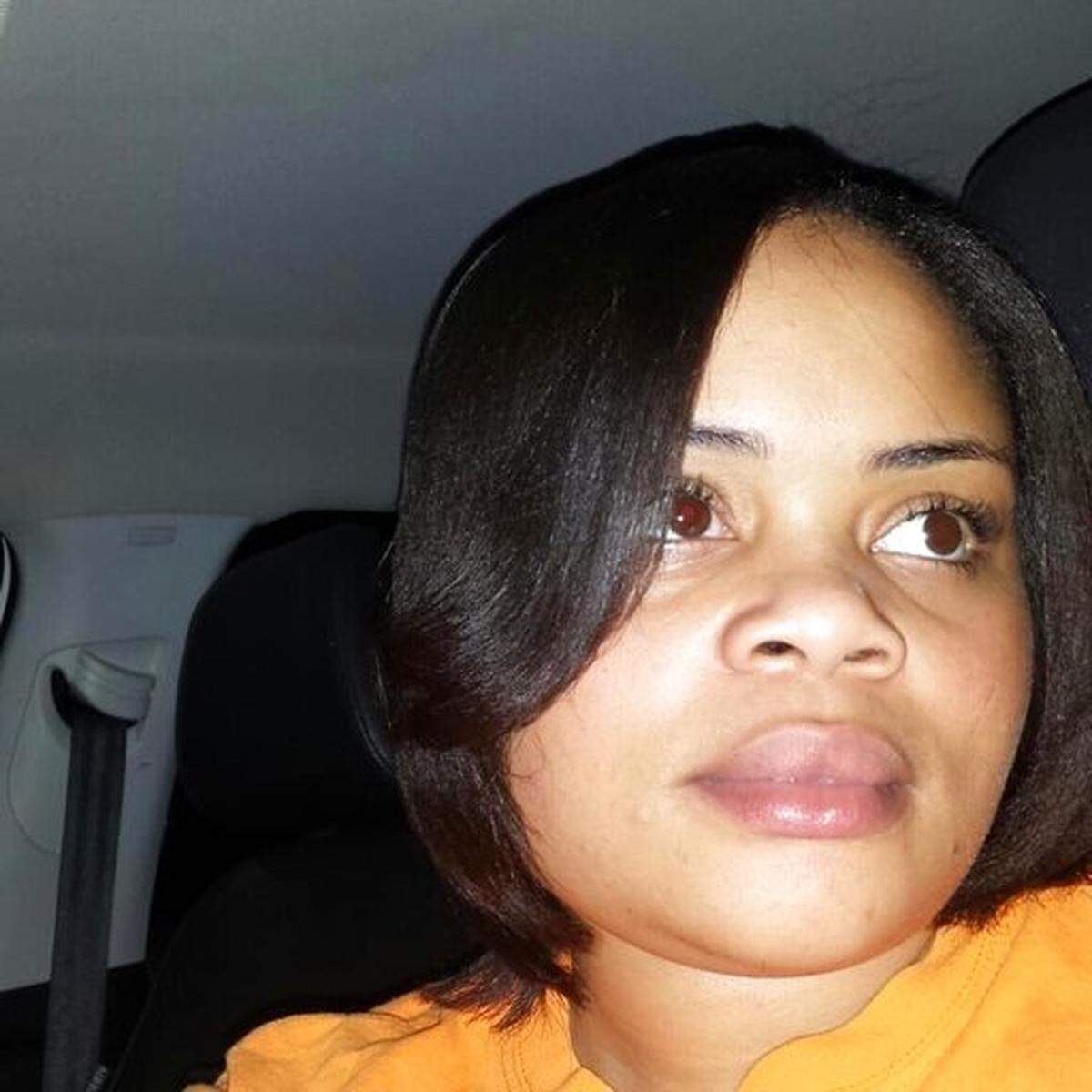
A grand jury indicted Dean on a murder charge after he fatally shot Jefferson, a 28-year-old Black woman, through a window at her family’s home in October 2019. Dean was arrested the Monday after the shooting.
This story was originally published November 17, 2022 at 1:11 PM.