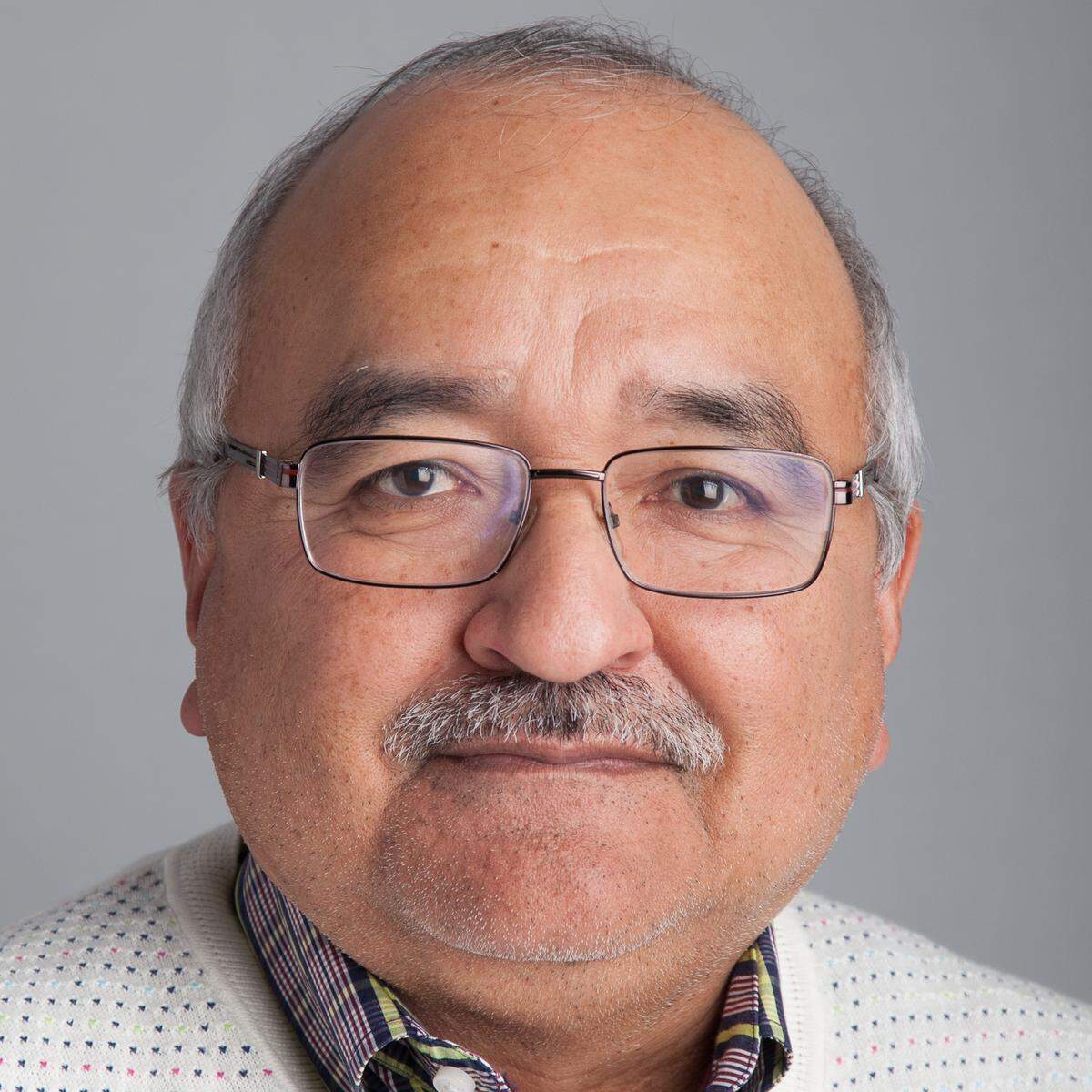
Fort Worth bar owner who ran nightclub ‘empire’ found guilty of allowing cocaine sales
A Dallas man who owned and operated an “empire” of nightclubs and two of his managers were found guilty on Friday of allowing cocaine sales at the clubs, federal authorities said.
A federal jury in Dallas found owner Alfredo Hinojosa, general manager Miguel Casas and promoter Martin Salvador Rodriguez guilty of managing drug premises, conspiracy to manage drug premises and conspiracy to possess with intent to distribute cocaine.
Jurors also convicted bathroom drug dealer Cesar Mendez of possession with intent to distribute and conspiracy to possess with intent to distribute.
Hinojosa and the managers of his nightclubs, including the OK Corral in south Fort Worth, allowed cocaine to be sold in the bathrooms on a daily basis to attract customers and provide a competitive edge over rival clubs, federal authorities said in a news release Friday.
Hinojosa, Casas and Rodriguez face a maximum sentence of life in prison. Mendez faces a maximum of 10 years in prison. Sentencing dates for the four are pending.
The federal trial for the four was postponed in March 2020 because of COVID-19. The trial began in September and lasted six weeks plus four days of deliberations.
The case included more than 30 defendants, all of whom have been convicted, including former Dallas police officers Eddie Villarreal and Craig Woods.
Hinojosa was indicted in 2017 on federal charges ranging from managing a drug premises to possession with intent to distribute a controlled substance, and he had entered a guilty plea, but he later changed it to not guilty, according to federal court documents.
The Dallas man ran an “empire” of nightclubs, according to a federal indictment, including the OK Corral at La Gran Plaza in Fort Worth, and the OK Corral, Far West and Medusa clubs in Dallas. The OK Corral in Fort Worth remains open, according to its Facebook page.
The clubs, which are popular tour stops for regional Mexican bands, raked in more than $107 million over a four-year period before the indictments, according to a federal authorities. Drug sales increased revenue at the clubs between $9 million and $12 million, authorities said.
“These defendants made millions by explicitly allowing cocaine trafficking in nightclubs across DFW. They assumed that permitting bathroom drug deals would be their ‘competitive edge.’ Instead, it was their downfall,” said Acting U.S. Attorney for the Northern District of Texas Chad Meacham in the Friday news release. “The United States Attorney’s Office and the FBI will not permit nightclub owners — or anyone else — to willfully turn a blind eye to drug trafficking happening on their premises.”
During that time, Hinojosa allowed dealers to sell cocaine in the clubs’ bathrooms to keep business booming, federal authorities said.
“We can’t really clean it [up] because then we lose business,” Hinojosa said in a recording obtained by authorities, according to the indictment.
“This conspiracy was designed to elevate the status of the defendants at a very high cost to our society,” said FBI Dallas Special Agent in Charge Matthew J. DeSarno in the news release. “Their extensive plans to conceal nightly high-volume drug sales included the recruitment of law enforcement officers as employees. We will continue to work with our local, state, and federal partners to protect the integrity of the profession, uphold the public’s trust, and prevent access to illicit drugs in our greater Dallas-Fort Worth communities.”
During the trial, prosecutors presented evidence of 17 controlled drug buys that occurred at the OK Corral Dallas, OK Corral Fort Worth, and Far West nightclubs between 2013 and 2016. Half a dozen informants, all under the supervision of FBI agents, bought bag after bag of cocaine from traffickers operating out of club bathrooms.
Multiple security guards who worked inside the clubs testified at trial that Hinojosa, Casas, and Rodriguez knew the drug trafficking was occurring and openly ordered security personnel to allow it. Drug traffickers, previously charged and convicted in the case, also testified that they were allowed to operate freely.
FBI agents testified in the trial that in 2015, they installed court-ordered microphones and a camera in Hinojosa’s office, unbeknownst to the defendants. Agents also sought and obtained more than a dozen wiretaps in the case.
Hinojosa, Casas, and Rodriguez eventually confessed to knowing that the drug sales were ongoing and allowed, according to federal authorities.
Hinojosa was known to Fort Worth police.
Fort Worth police had made 19 drug arrests at the OK Corral at La Gran Plaza from 2014 to 2017, all for cocaine possession or distribution, police told the Fort Worth Star-Telegram in 2017.
Even with an indictment looming in 2017, Hinojosa apparently stayed involved with OK Corral.
The Fort Worth school district in December 2017 confirmed that Hinojosa made a $5,000 donation from OK Corral to the PTA at nearby Worth Heights Elementary School in October 2017.
A photo posted on Facebook by the PTA showed what appeared to be Hinojosa and a business partner presenting a giant check, which had the OK Corral logo on it.
This report contains information from Star-Telegram archives.
This story was originally published November 5, 2021 at 12:24 PM.