Shuttered Sundance hospital system pleads guilty to health code crime, pays $200K fine
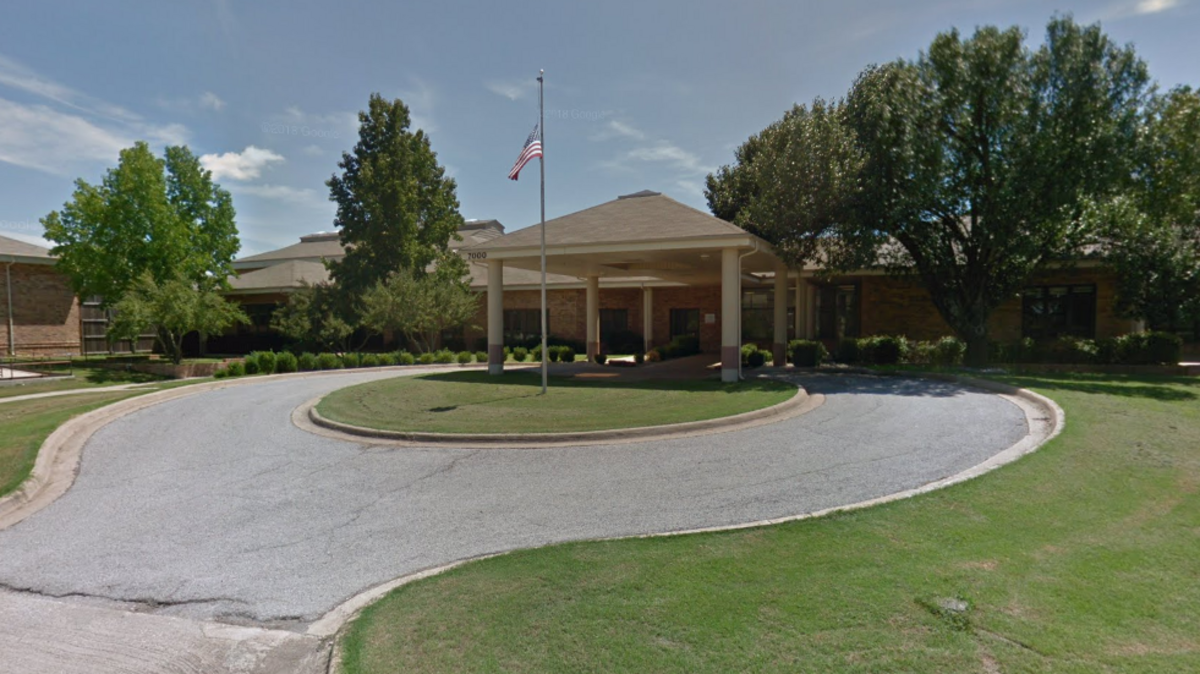
A North Texas behavioral health corporation accused of illegally holding patients for resulting profits pleaded guilty Friday to a mental health code crime as it continued to assert the case had been pursued as a gambit to force it to sell its operations.
Sundance Behavioral Healthcare System was convicted of one misdemeanor count that alleged that the corporation knowingly illegally detained a female patient involuntarily for 21 days at its hospital in Arlington. It paid a $200,000 fine.
The Tarrant Criminal District Attorney’s Office suggested it had triumphed. Sundance indicated that the case’s conclusion was not the feat prosecutors described.
In the prosecutors’ evaluation, the case had an admirable result in the closure of a business that improperly treated patients. From the view of Sundance, the corporation had won a critical concession when other counts that would have held a more punitive sentence were dismissed.
The District Attorney’s Office initially pursued multiple counts that could have resulted in Sundance paying millions of dollars in fines.
The law firm that represented Sundance said prosecutors had agreed not to pursue the corporation’s owners in their individual capacity.
Sundance was accused of knowingly violating the Texas Mental Health Code by detaining patients longer than the statutory maximum of 48 hours. Holding a patient for a longer period on an involuntary basis requires a court protective custody order. The corporation was indicted in November.
Sundance offered treatment at facilities in Arlington, Fort Worth and Garland. It ended its operations in December and later filed for bankruptcy.
Tarrant County District Attorney Sharen Wilson said the conviction was significant in part because a corporation had been found guilty of a crime.
“Most importantly, these charges led to the shutdown of this facility, so no other unknowing patients can be subjected to this nightmare right out of ‘One Flew Over the Cuckoo’s Nest,’” Wilson wrote in a statement, referring to a film and book focused on the experience of patients at a poorly run mental hospital.
“We saw a risk to Tarrant County residents, and we acted. We hope this brings awareness that even a hospital can become a convicted criminal if it violates the law in Tarrant County,” wrote Matt Smid, chief of the White Collar Crimes/Public Integrity Unit. Smid was the case’s lead prosecutor.
Varghese Summersett, the Fort Worth law firm that represented Sundance, said the disposition exposed the case’s defects.
“Resolution for our client was a business and financial decision. Unfortunately, our community has already felt the devastating effects of this legal action and now faces an overwhelming need for additional mental health treatment facilities,” the firm wrote in a statement.
“This prosecution arose at a time when JPS, which is owned by Tarrant County, unsuccessfully pursued the purchase of Sundance Behavioral Healthcare System to address patient overflow. With the closing of Sundance, JPS is now pursuing two, $20 million dollar clinics that focus significantly on behavioral and mental health care needs. This will be paid for by taxpayer dollars,” the law firm wrote.
The indictment accused the corporation of refusing to allow two voluntary patients to leave the facility, even though they had repeatedly informed the hospital of their desire to leave. Prosecutors also alleged its employees did not conduct welfare checks on a patient who committed suicide in its Arlington hospital.