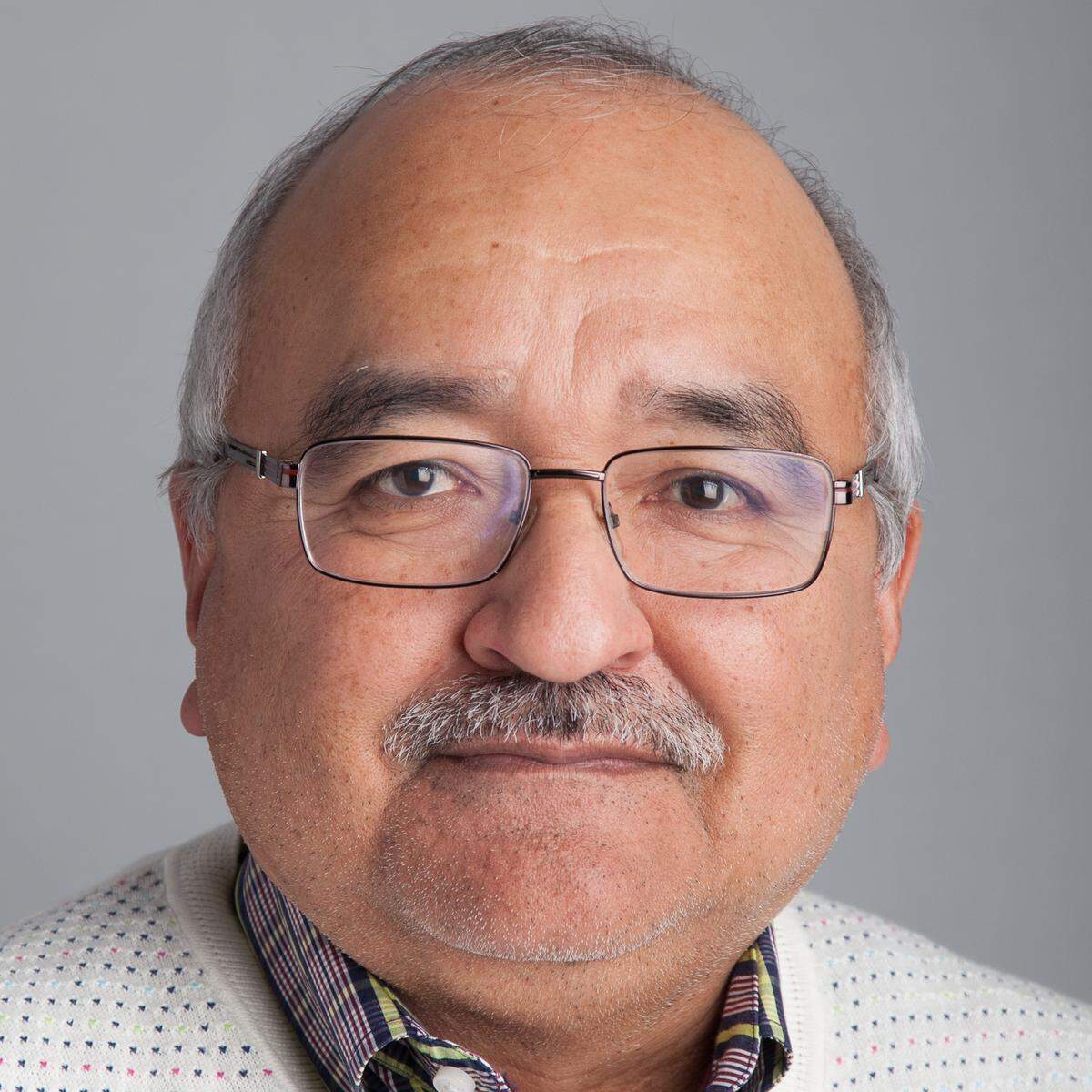
Frustrated judge resets trial of Fort Worth club owner accused of allowing cocaine sales
An annoyed federal judge citing “lack of adequate communication” between attorneys and prosecutors has rescheduled a trial for a club owner accused of allowing cocaine sales in his Fort Worth club and other bars in Texas.
United States District Judge Sam A. Lindsay granted a motion for continuances just days before the trial for Alfredo Navarro Hinojosa was to start on Monday.
Hinojosa was indicted in 2017 on federal charges ranging from managing a drug premises to possession with intent to distribute a controlled substance, and he had entered a guilty plea, but he changed it to not guilty, according to federal court documents.
Hinojosa, owner of the OK Corral nightclub in Fort Worth, and other nightclubs and businesses in Texas, is accused of permitting cocaine sales in the clubs to drive profits. Miguel Casas, Martin Salvador Rodriguez and Cesar Mendez also face drug charges in the case.
At one time, there had been 18 defendants in the case.
In his July 23 ruling, Lindsay wrote in bold type that, “As the parties are aware, the court is not pleased by the posture of this case. There is to be communication and a meeting of the minds by counsel on both sides regarding discovery. If there is any future dispute prior to rescheduled trial date, a motion to compel must be timely filed by the motion deadline.”
The federal judge also said, “a new scheduling order will include a date by which all legally-required discovery is to be produced and, if it is not produced by this deadline, the offending party will not be able to offer it at trial, and the court may impose additional sanctions on the offending party or counsel.”
The judge noted the earliest date for the trial is the last week of February through the month of April 2020. The trial is expected to take four to five weeks.
Hinojosa, of Dallas, ran an “empire” of nightclubs, according to a federal indictment, including the OK Corral at La Gran Plaza in Fort Worth, and the OK Corral, Far West and Medusa clubs in Dallas.
The clubs, which are popular tour stops for regional Mexican bands, raked in more than $100 million from 2014 to 2016, according to a federal indictment.
During that time, Hinojosa is accused of allowing dealers to sell cocaine in the clubs’ bathrooms to keep business booming.
“We can’t really clean it [up] because then we lose business,” Hinojosa said in a recording obtained by authorities, according to the indictment.
Hinojosa was also accused of laundering money for the purchase of a tour bus for one of the bands. Other defendants also were indicted in the case, including two former Dallas police officers who worked security for Hinojosa. The officers pleaded guilty to lying to the FBI about their involvement with Hinojosa.