
State agrees Texas inmate shouldn’t die next month for 1987 rape, murder. Here’s why
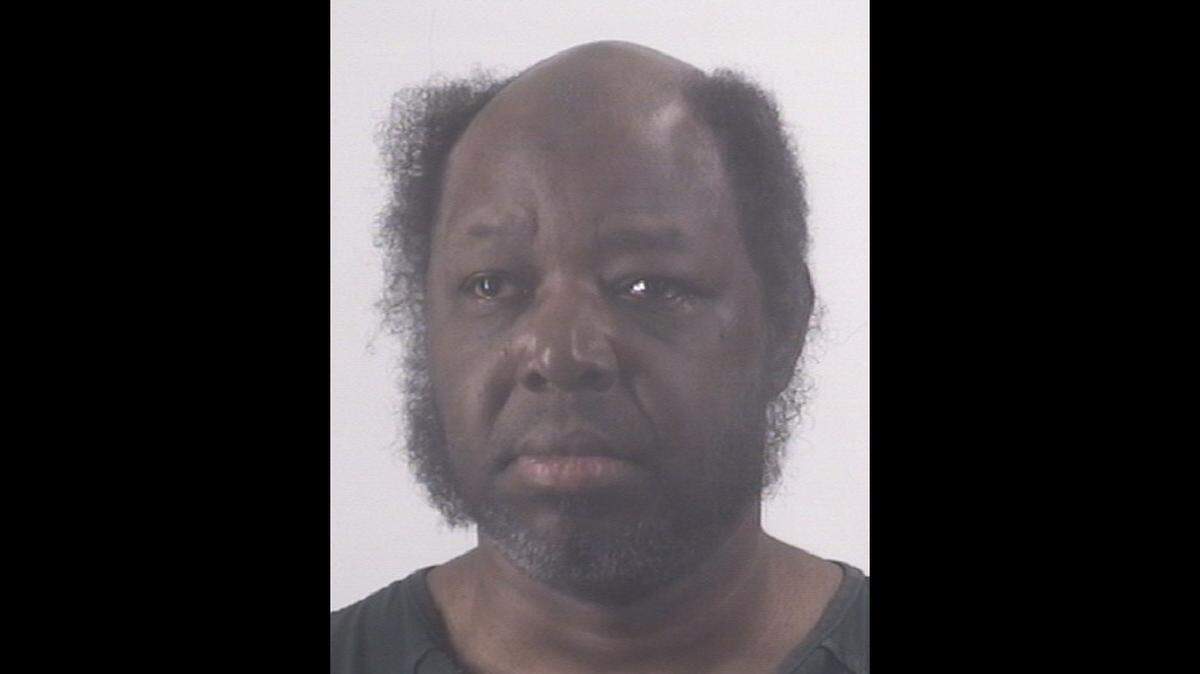
A man convicted of hijacking a city bus, then raping and killing a passenger in 1987 in Fort Worth, should not be put to death next month until DNA testing is performed in the case, the state has agreed.
Emanuel Kemp Jr.’s defense attorney had filed motions last month, asking that DNA testing be done in the capital murder case and that Kemp’s execution date — set for Nov. 7 — be withdrawn until the DNA motion and related issues “may be fully litigated.”
Kemp was convicted in 1988 and sentenced to death for hijacking a city bus, then forcing the driver to drive to an isolated area in Trinity Park. There, he raped and fatally stabbed Johnnie Mae Gray, a 34-year-old emergency room clerk at John Peter Smith Hospital.
Kemp’s attorney, Greg Westfall, had argued that DNA testing had never been done in the capital murder case and that the case against Kemp was largely circumstantial, relying heavily on the testimony of a single witness — the bus driver.

A response filed Wednesday by District Attorney Sharen Wilson points out that at the time of Kemp’s trial DNA testing was not routinely performed in criminal investigations, nor widely accepted as reliable evidence.
Since 2001, Texas law requires DNA testing be performed on biological evidence in possession of the state when collected as part of the offense.
“In the interest of justice, the State agrees that DNA testing should be performed on the evidence containing biological material in the case,” the response states.
The state also agreed in its notice that the court should order a withdraw of Kemp’s execution date pending the resolution of the matter.
Attached affidavits show evidence in the case, including a sexual assault kit and samples taken from inside the bus, have been located.
Prosecutors pointed out in their response, however, that the precise condition of the evidence is not fully known.
“Some items of evidence may be more well preserved that others,” the response states. “ Regardless, the State is amenable to DNA testing on all items containing biological evidence in a manner deemed appropriate by this Court.”
In an email Thursday, Westfall said, “The state of Texas did the right thing. If the evidence exists, and it has never been subjected to DNA analysis, then it ought to be.”
No decision had been handed down by the court as of Thursday morning.