
‘Excited to be in Texas’: Did World Cup’s value to Arlington match the hype?
In the months leading up to the first kickoff at AT&T Stadium, local officials and tournament organizers said hosting nine World Cup games in Arlington would be like having nine Super Bowls, with an estimated $2 billion economic impact.
That kind of talk sounded hyperbolic. Would hundreds of thousands of visitors really descend upon Dallas-Fort Worth in the heat of the summer? Would North Texans really embrace what is essentially viewed here as a “foreign sport”? And would the spending associated with the games really provide a jolt to local businesses?
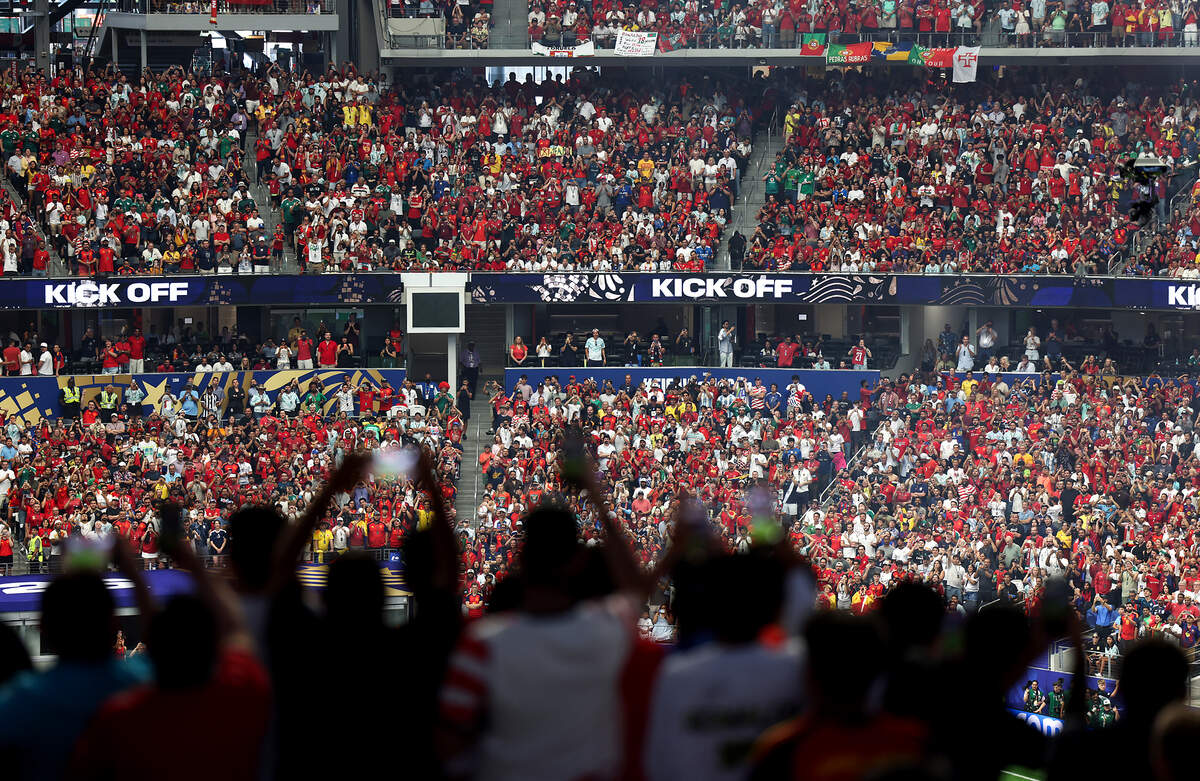
With eight of the nine matches complete, the answer to those questions seems to be yes, even though actual sales figures are difficult to come by right now owing to lag times in accounting and data reporting.
But there is some hard evidence to support the idea that the World Cup has been good for Tarrant County, and there’s plenty of anecdotal evidence to back it up.
On match days, places such as Fort Worth’s Sundance Square and Arlington’s Entertainment District have been abuzz with supporters representing visiting teams, along with locals out to experience what could be a once-in-a-lifetime spectacle.
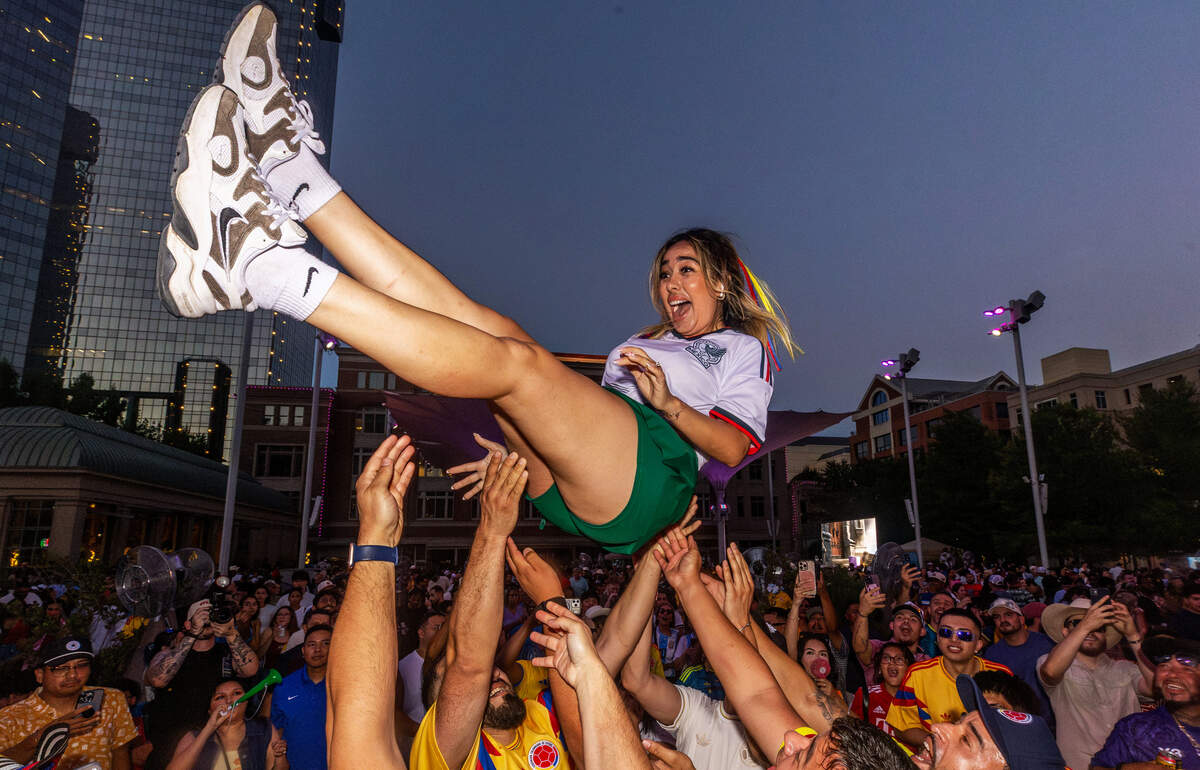
Texas Live!, attached to the Rangers’ Globe Life Field east of AT&T Stadium, has been a prime gathering spot for pre- and postgame revelry. The bar-and-restaurant venue is managed through a partnership between the Rangers and the Cordish Companies, with Chief Operating Officer Jim Watry at the helm.
Speaking to the Star-Telegram, Watry said predictions about the World Cup’s economic benefits were spot on. In fact, these last three weeks have been the best in the eight-year history of Texas Live! in terms of revenue.
“We’re 30% over our projections,” he said.
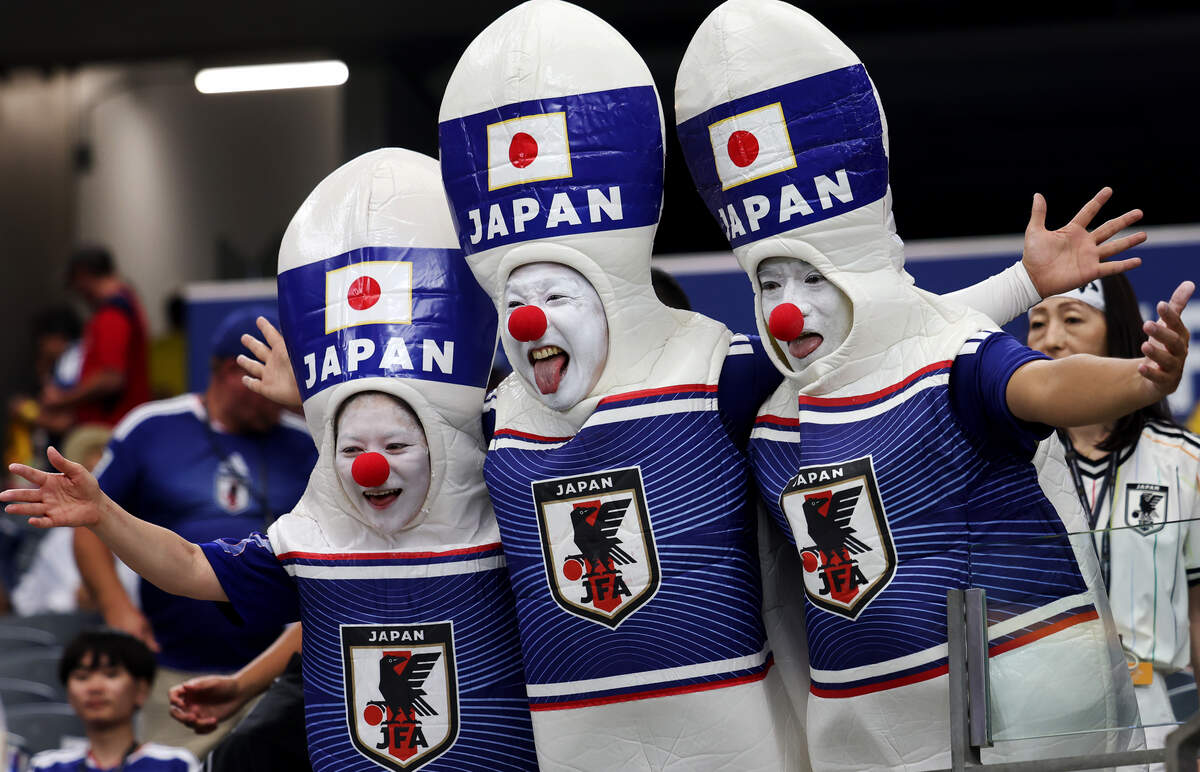
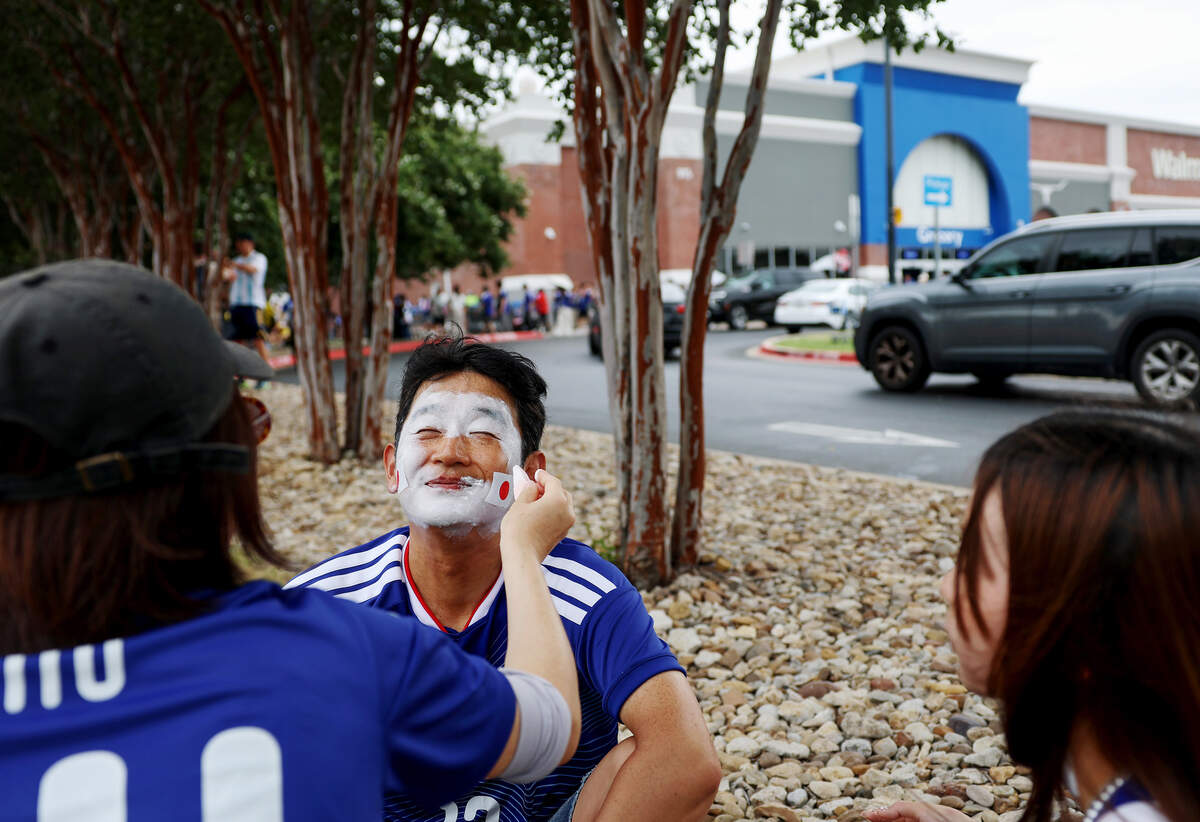
Watry said Texas Live! has hired more staff, and the company has paid to make improvements to the facilities, all of which factor in when considering the tournament’s financial reach.
“The economic impact is rippling beyond the cash registers,” Watry said.
World Cup boom in Arlington reaches beyond AT&T Stadium
It stands to reason that a place right next to AT&T Stadium would be busy, but what about spots farther from the action?
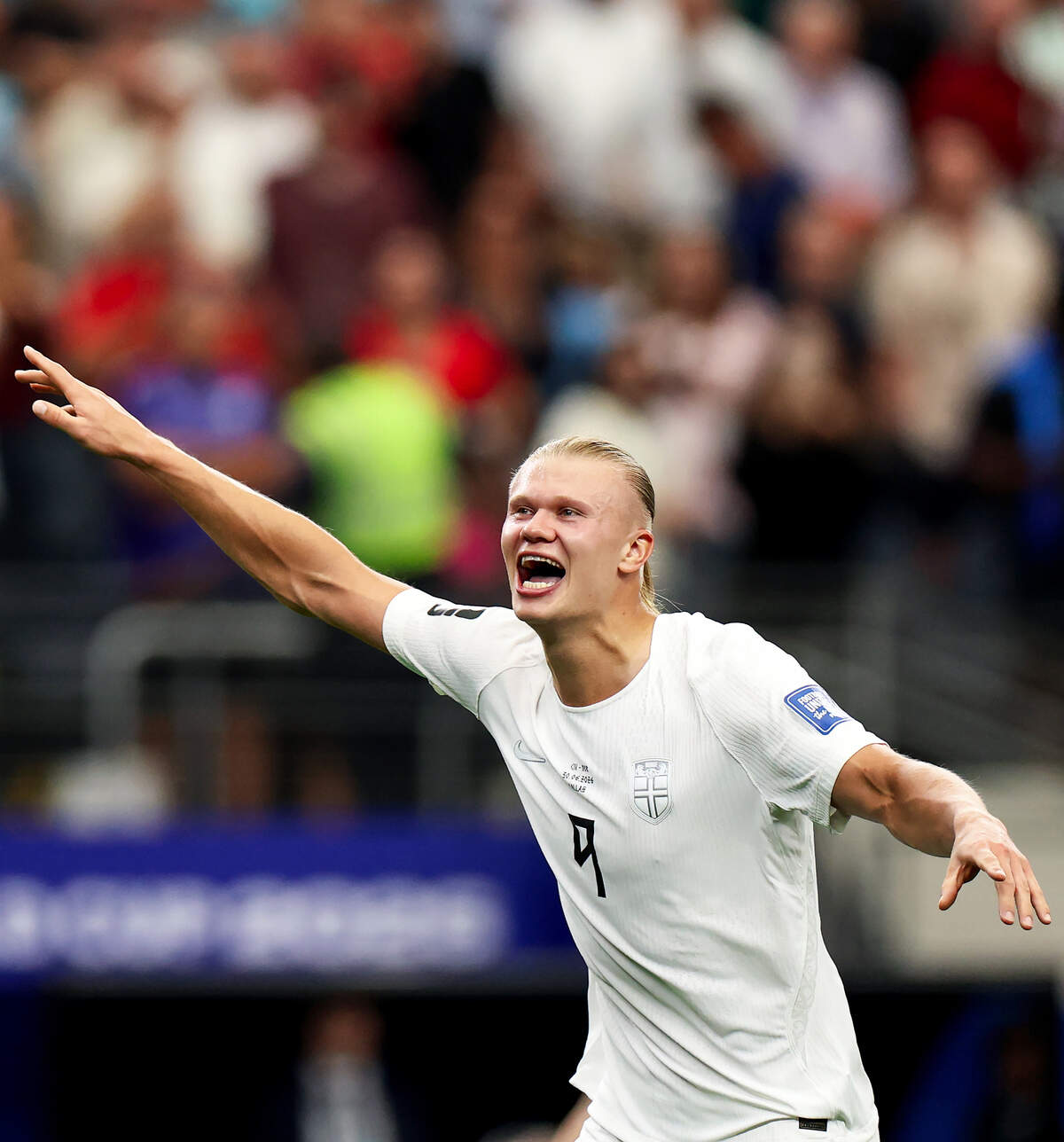
“It’s been real, real good,” said Randy Ford, owner of J. Gilligan’s Bar and Grill, 407 E. South St., a longstanding Arlington watering hole a little more than a mile south of the stadium.
Ford said he was at first skeptical about the World Cup being a boon for business. Once the games got underway, though, he converted to a believer. Food and beverage sales at J. Gilligan’s during World Cup matches in Arlington, he said, were on par with what they are for Cowboys games: about four to five times higher than on a typical day.
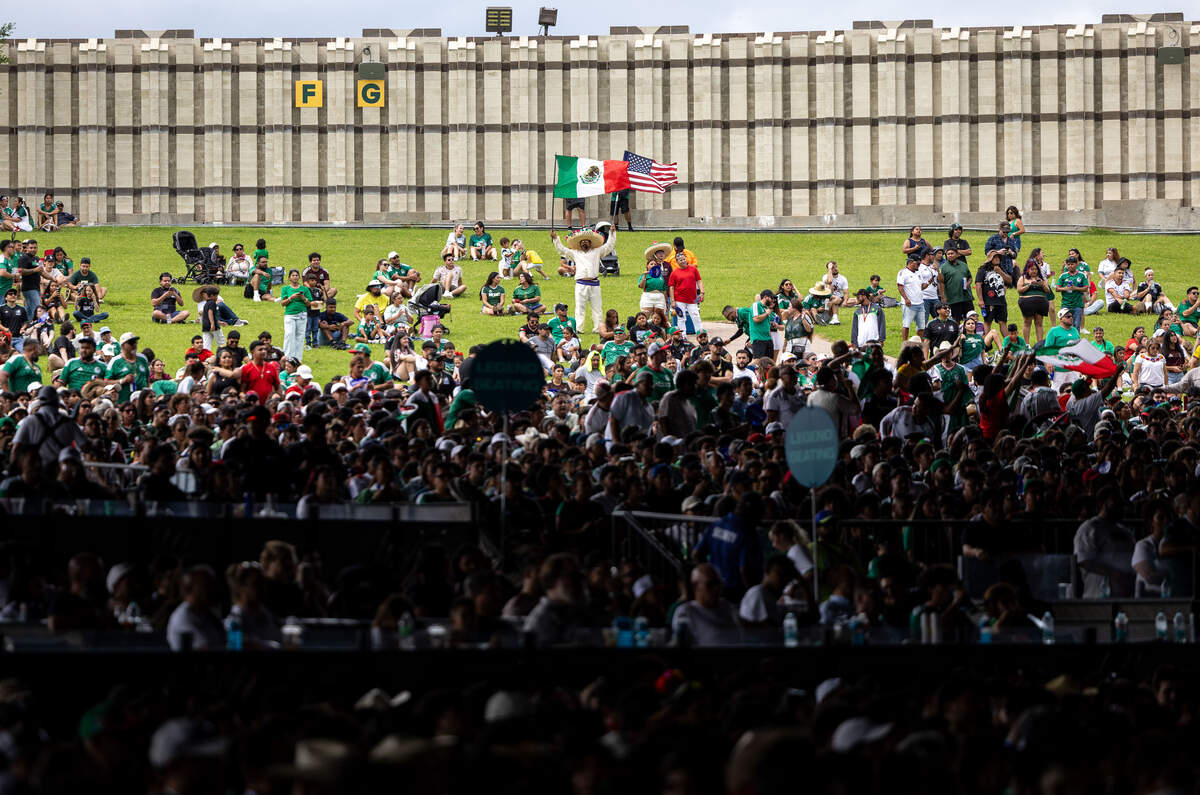
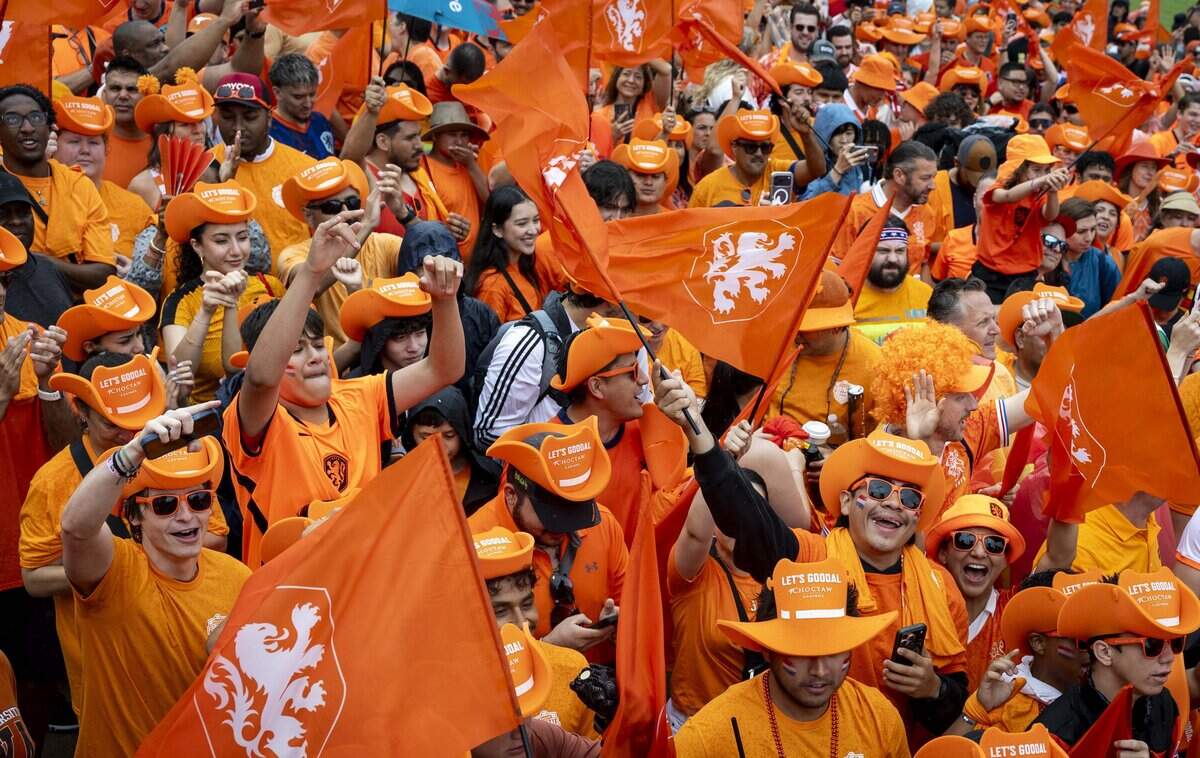
J. Gilligan’s also operated more than a dozen shuttle buses to AT&T Stadium for each World Cup game, just like it does for Cowboys games. The cost was $26 for adults and $15 for kids, and they carried an average of 1,000 riders for each of the past three matches, Ford said.
To illustrate how things have changed, Ford recalled shuttling a mere eight people to the stadium for the CONCACAF Gold Cup soccer matches in July 2009.
“Certainly, it was huge,” he said of the 2026 World Cup.
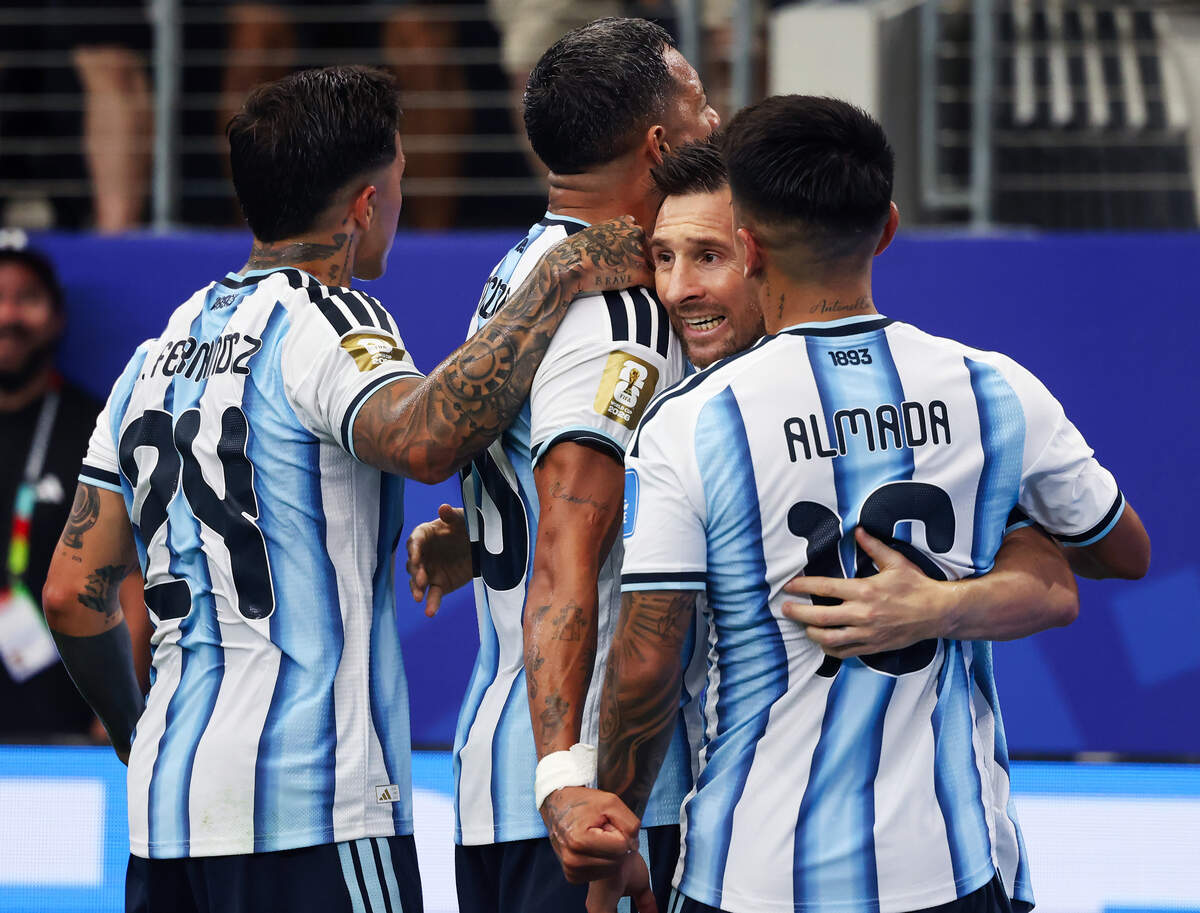
At Arlington’s Grease Monkey Burger Shop and Social Club, 200 N. Mesquite St., there was a decent number of people in the bar on the afternoon of June 16 watching a televised France-Senegal match, which was held in New Jersey.
Grease Monkey bartender Emily Smith said a crowd of more than three dozen England fans had just left (England would play Croatia in Arlington the following day), and she was pleased with the turnout and the money guests were spending.
“We were expecting a lot, so we were overprepared,” said Smith, adding there were other bartenders on standby in case World Cup crowds overwhelmed the staff on hand.
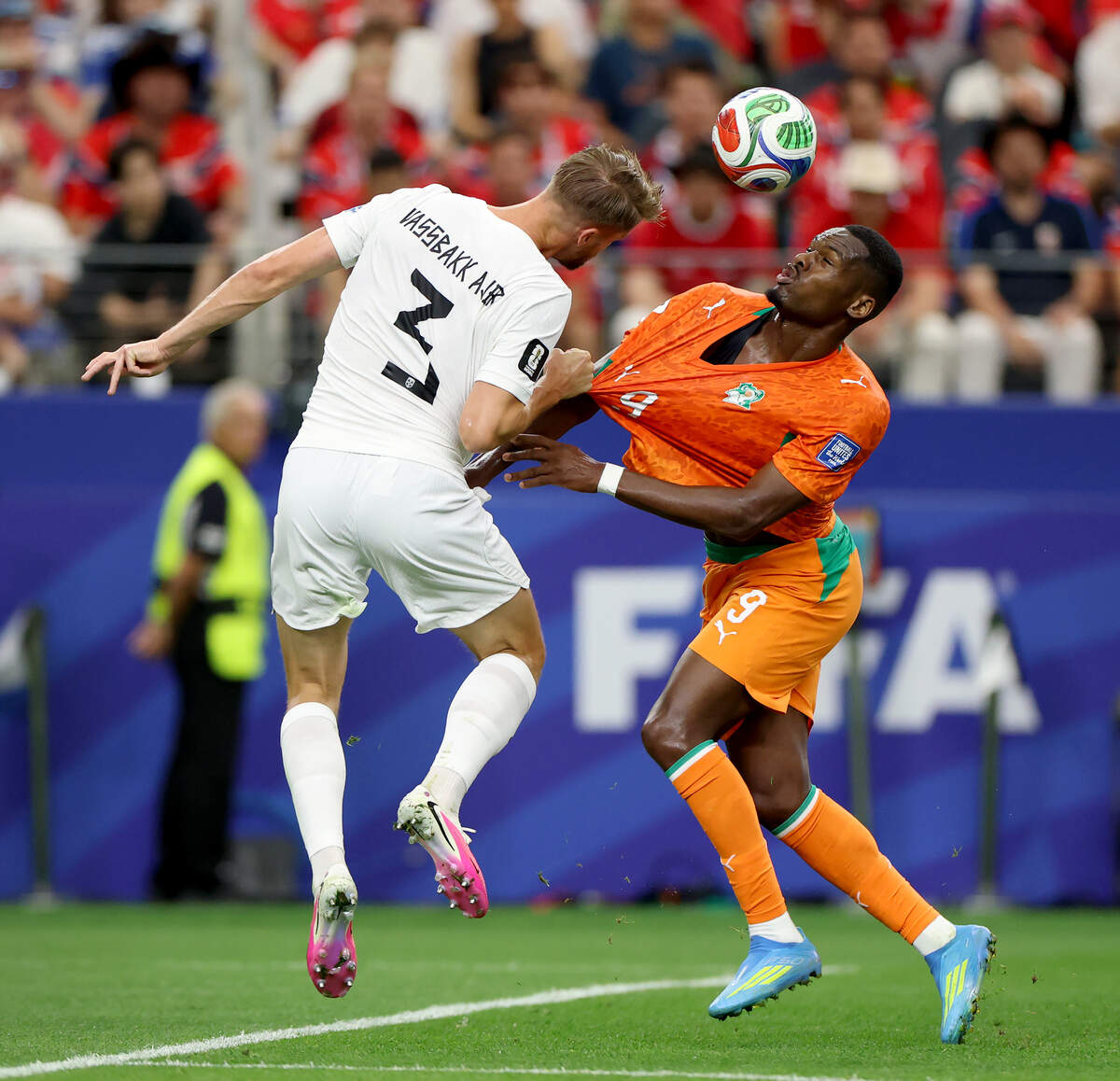
Like Ford, Smith said it reminded her of what she normally sees for Cowboys games. Even in the middle of a work day, the atmosphere in the bar felt somewhat celebratory, despite there not being any fans from France or Senegal present.
Fans visit from countries ranging from Bermuda to Japan
The same afternoon, the Star-Telegram visited Charlie’s Tavern, 1308 S. Cooper St., a comparatively off-the-beaten path sports bar south of the UT Arlington campus. The place was empty save for three guys who’d traveled from Bermuda for the next day’s England-Croatia match.
One of them, Craig Dixon, said the group supported England, and they were enjoying their stay in Arlington. The three were booked in a short-term rental not far from Charlie’s and had found the bar on Google while looking for a place to watch France-Senegal.
Kaci Terrell, a bartender at Charlie’s, said she’d noticed an uptick in business since the World Cup came to town. In addition to the Bermudians, she’d also encountered fans from as far as Japan, she said.
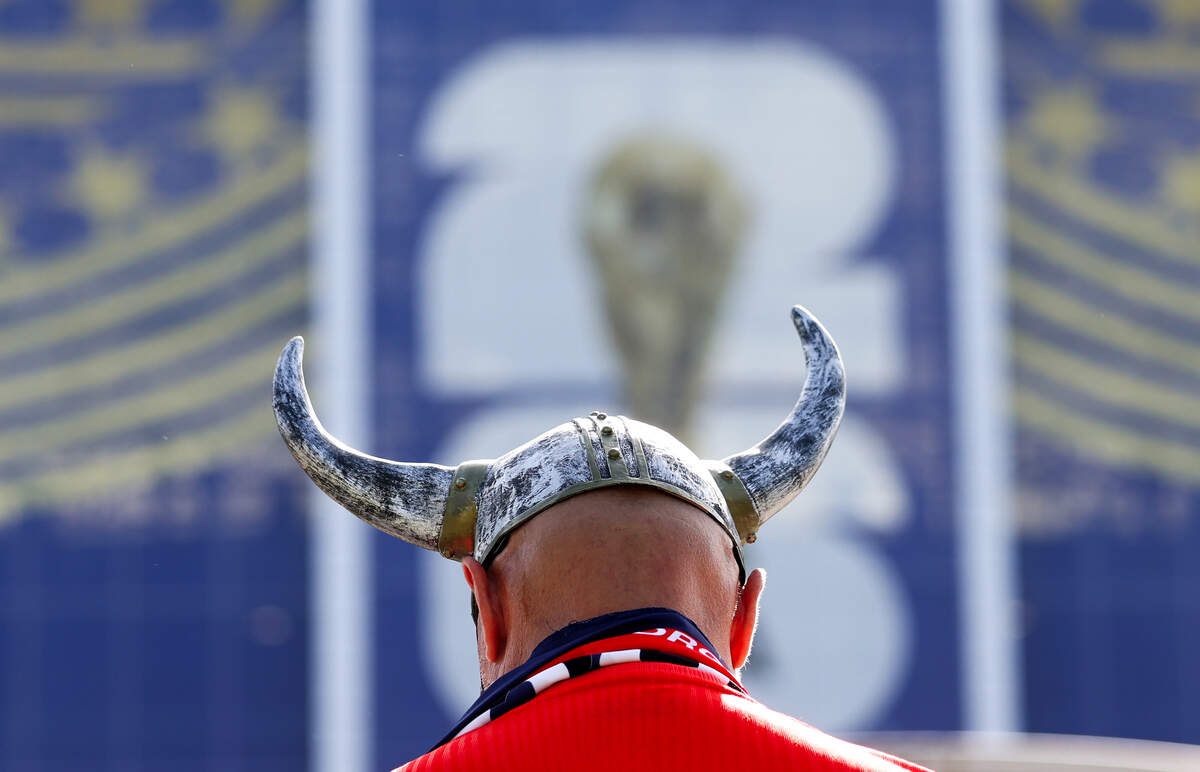
On June 16, Erick Lazo Vega, manager of the newly opened Londoner pub at 1409 N. Collins St. in Arlington, was gearing up for a busy few weeks. He said he and his staff expected a particularly packed house for the England-Croatia game on the 17th, which turned out to be the case after England fans selected the Londoner as their home base. By 10 a.m., five hours before kickoff, there was already a line out the door of fans in England gear thirsty for a pregame pint.
Money aside, there was also an undeniable communal benefit to having the World Cup in our backyard. Just about everyone who talked to the Star-Telegram, from service and hospitality industry professionals to bar patrons, spoke glowingly of the visiting fans and mentioned how fun it’s been to play host to people who might not otherwise have come to Dallas-Fort Worth — and who would have missed out on attractions such as the Fort Worth Stockyards (which an awed Croatian fan described as cinematic).
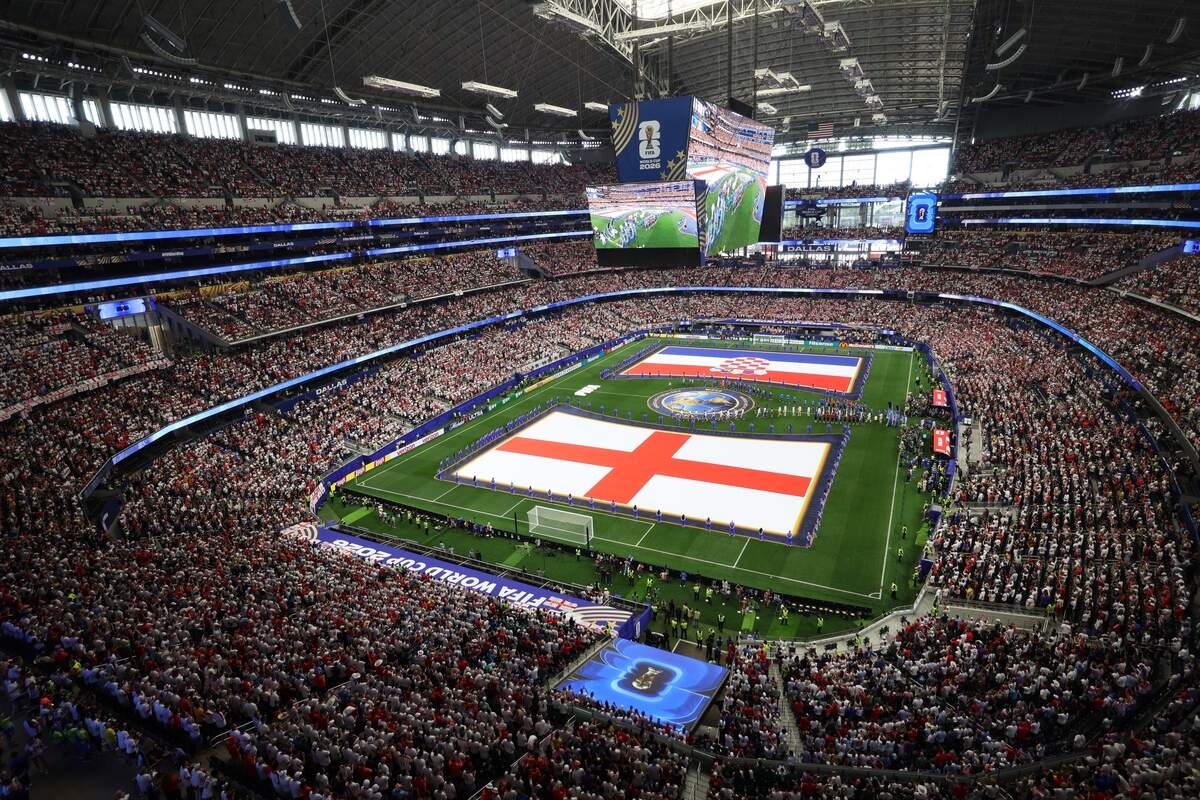
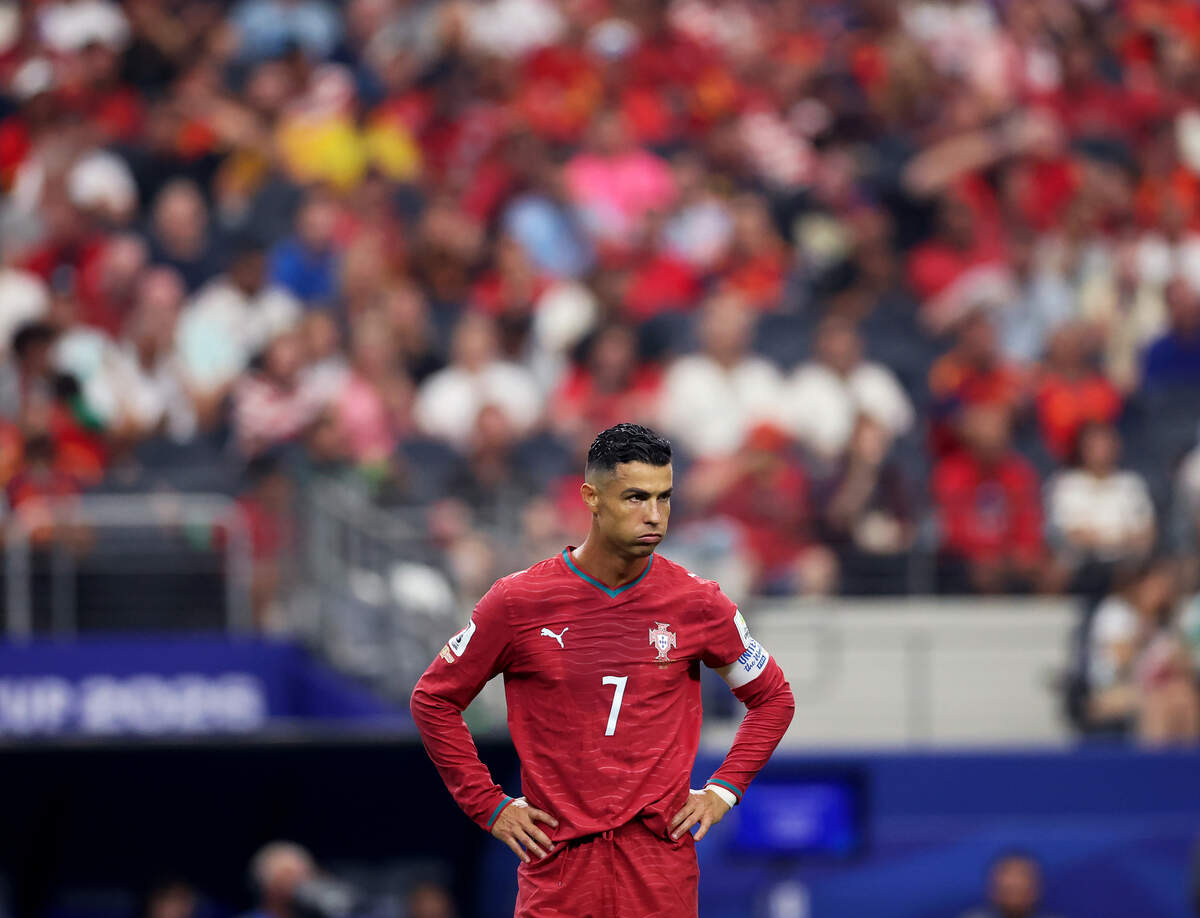
Watry said Texas Live! didn’t change its menu offerings based on which teams were playing in Arlington. There was no Kirin Ichiban beer for Japan’s matches, for example, and no beans and toast for the early morning England crowd. It was local food and local drinks, which was exactly what foreign guests were looking for, Watry said.
“People are excited to be in Texas.”
At Charlie’s Tavern, Craig Dixon and his compatriots from Bermuda wanted to know where to get good barbecue as they sipped Bud Light, the quintessential “American beer,” as they put it. That was just one small interaction in one small bar, but it was representative of something much larger that took place throughout North Texas — something that’s hard to put a price on.