Tarrant County’s measles vaccination rate dips slightly in year following outbreak
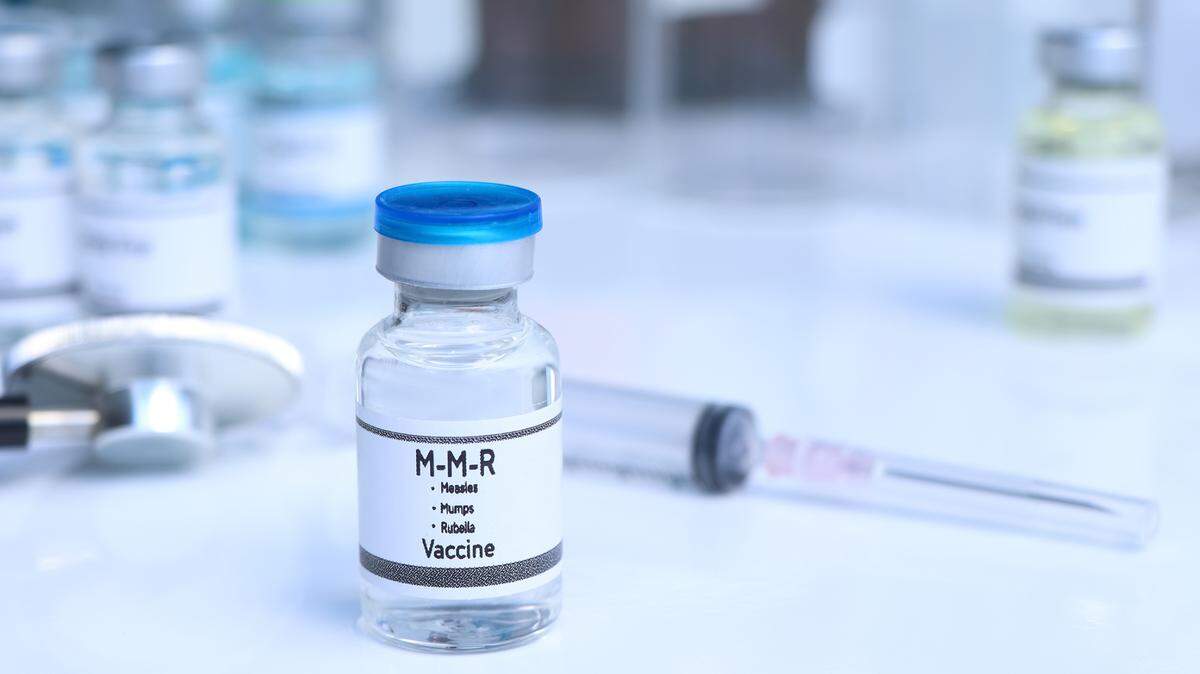
The number of Tarrant County kindergartners vaccinated against measles dipped slightly last school year, according to the latest data.
Across all Tarrant County schools, almost 93% of kindergartners were vaccinated with the measles, mumps, and rubella vaccine in the 2025-26 school year, down from almost 94% the year before.
Statewide, 93.3% of all kindergartners were vaccinated with the measles, mumps, and rubella vaccine. The number of conscientious exemptions to the measles vaccine increased from 3.76% in 2024-25 to 4.63% last school year.
The vaccination data, which was released by the state health department this week, comes after one of the state’s worst measles outbreaks in recent history. The outbreak caused more than 750 cases, and two children died from measles. At least 99 people were hospitalized.
Also affecting vaccination rates was a new state law that went into effect allowing parents to download vaccine exemption forms instead of receiving them by mail.
Rekha Lakshmanan, executive director of The Immunization Partnership, said the new law plus confusion over vaccine policy at the federal level resulted in the increase in conscientious exemptions.
“I think what we saw in this report is the cumulative impact of these policies kind of slowly coming to a head,” Lakshmanan said.
Tarrant County’s overall vaccination rate masks wide variation in vaccination rates by campus. In 2024-25, Mercy Culture Preparatory Academy reported having just 5% of their students vaccinated, the second lowest rate in the state. Mercy Culture was not included in this year’s data. Other schools reported 100% of kindergartners vaccinated. At vaccination rates of 90% or below, data indicates the chance of an outbreak at a school rises to 51% if someone comes to school with measles. The lower the rate gets, the more likely an outbreak.
It’s the campus rates, not the county- or districtwide rates, that matter most in terms of preventing an outbreak, Dr. David Higgins, a pediatrician and professor at the University of Colorado’s medical school, previously told the Star-Telegram.
“The vaccination rate at that hyper local level is what actually really matters,” he said.