
This doc has seen ‘war zone’ from July 4 fireworks — but loves setting them off, too
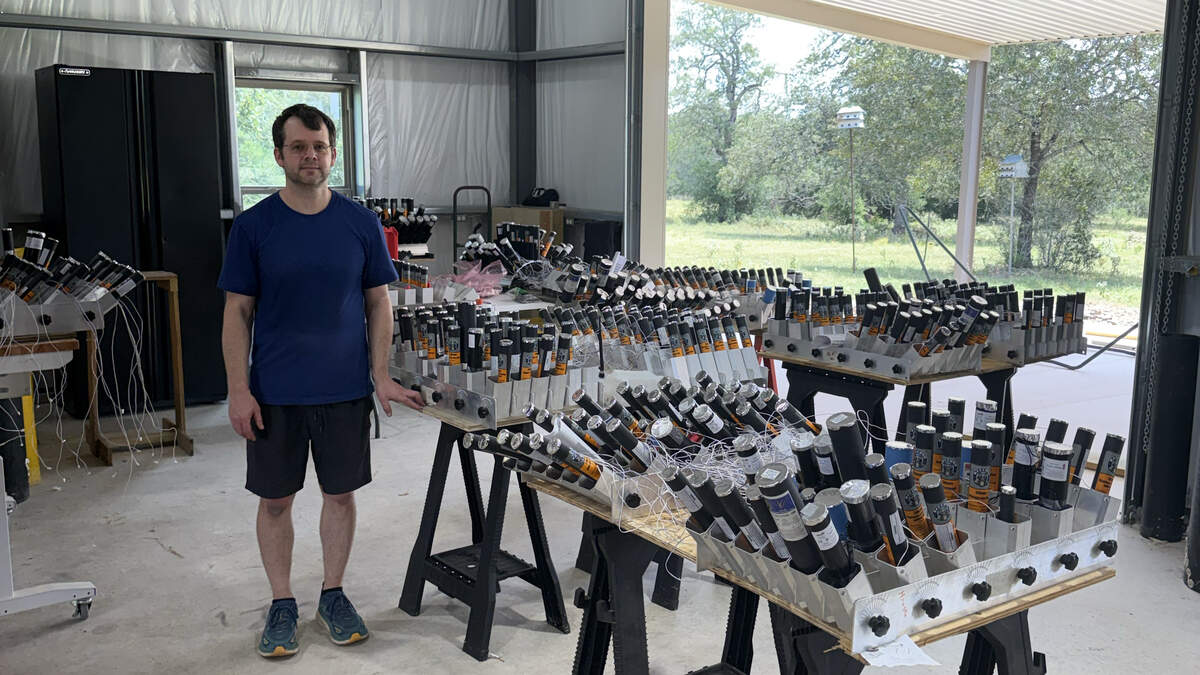
Dr. Rob Hruska knows both the thrill and the potential agony of homemade July Fourth celebrations.
In his day job, he’s a neurosurgeon on staff at Texas Health Harris Methodist Hospital Hurst-Euless-Bedford. He’s also a certified pyrotechnician, and this time of year, he hangs up the white coat, heads down to his family’s property near La Grange, Texas, and dedicates hours upon hours to planning a highly choreographed, professional-level July Fourth firework display for the benefit of friends, loved ones and the surrounding community.
Hruska has the calm, sober demeanor that is an asset in the operating theater but is not what you’d expect of a man who enjoys setting the sky ablaze with violent explosions. Get him talking about the meticulousness that goes into preparing his annual firework show, though, and the connection is clear.
And, of course, there’s the understanding of firework safety you’d expect from a medical professional — which Hruska would like to impart to others this holiday weekend.
A ‘war zone’ holiday at hospital changed surgeon’s view of fireworks
Hruska said his passion for pyrotechnics began in childhood, when he’d sneak off to shoot fireworks when he could. After finishing medical school and his residency, he once again had time to light off some mortar shells for fun to celebrate Independence Day. But something was different.
“It felt more dangerous,” Hruska said.
During his residency, Hruska had worked a July Fourth hospital shift, which he compared to a war zone. The experience forever altered the way he looked at fireworks.
“There were fingers blown off, burn injuries to the face,” Hruska recalled.
One young woman whom Hruska treated thought the fuse of a firework shell had gone out. She peered into the mortar tube to investigate, and the shell suddenly launched, hitting her in the head and ultimately killing her.
In that case, the woman had been drinking, which Hruska said is the worst thing you can do while handling fireworks.
“Don’t drink,” he advised. “That the No. 1 rule, and the No. 1 most violated.”
Firework safety tips for all ages
Along with not mixing alcohol and explosives, Hruska urged people to use extreme caution when lighting fireworks. He said consumer-grade fireworks are the most dangerous because they’re most often lit by hand at close range. The fireworks the public can buy are also not always packaged with stability in mind, said Hruska, meaning it’s easy for them to tip over and send projectiles in any direction.
Certified pyrotechnicians like Hruska who launch professional-grade fireworks use electronic firing systems that are operated from a safe distance with a push of a button. Similar systems are available to the public, but they are pricey, and Hruska said they’re hard to find at most fireworks retailers, though they can be purchased online.
In Hruska’s estimation, some of the fireworks for sale at roadside stands are simply too powerful for amateur use. Another concern is they don’t travel as high as professional fireworks, and are therefore prone to showering spectators with debris, which can cause injury.
As for children, Hruska said parents or adults should always be present when kids are handling fireworks, and it would be wise to educate children beforehand on the inherent dangers. It that way, Hruska said it’s akin to teaching a youngster how to drive: you prepare them for all the possible scenarios, not just when things go right.
According to the U.S. Consumer Product Safety Commission, an estimated 13,000 Americans were injured by fireworks last year, and there were 15 reported firework-related deaths.
Most of the injuries were sustained by people between the ages of 15 and 24. The most frequently reported injuries were to the hands and fingers, followed by injuries to the head, face and ears.
What goes into a professional firework show?
Hruska said it took about two years for him to become a licensed pyrotechnician. He first had to shadow other license holders while they put on professional firework shows, then had to take a test.
And because the shows he puts on rise to the level of professional ones, Hruska had to get approval from the Bureau of Alcohol, Tobacco, Firearms and Explosives, whose federal regulations require him to house his fireworks in a safe, secure storage facility as well as obtain permits and insurance before putting on a display.
Hruska’s half-hour Independence Day shows are set to music, and he said they take as long as six months to plan, starting with developing the playlist.
“I’m always listening to music and thinking, ‘Is this a good song to time fireworks to?’,” Hruska said.
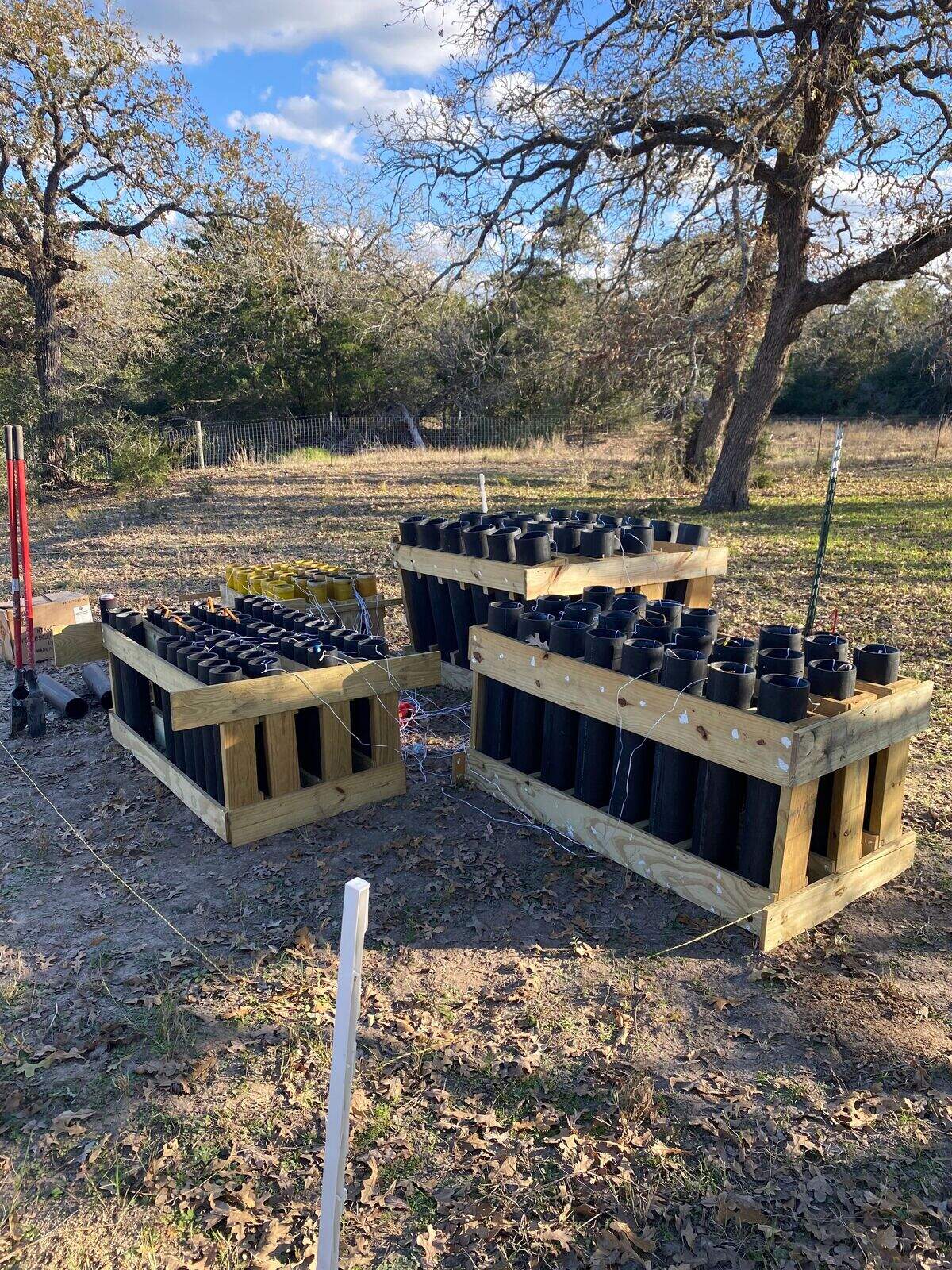
Once he’s selected the tunes, Hruska builds an inventory of hundreds of fireworks, putting careful thought into their arrangement and the order in which they’ll launch. Before hitting the ignition button, Hruska has already envisioned how the sparkling colors will look against the night sky and the sense of awe they’ll conjure in tandem with the music.
In that way, this pursuit dovetails nicely with what Hruska said he is constantly seeking in his profession.
“I’m trying to achieve perfection,” he said.