
Rep. David Cook backs residents fighting Tarrant County wastewater facility
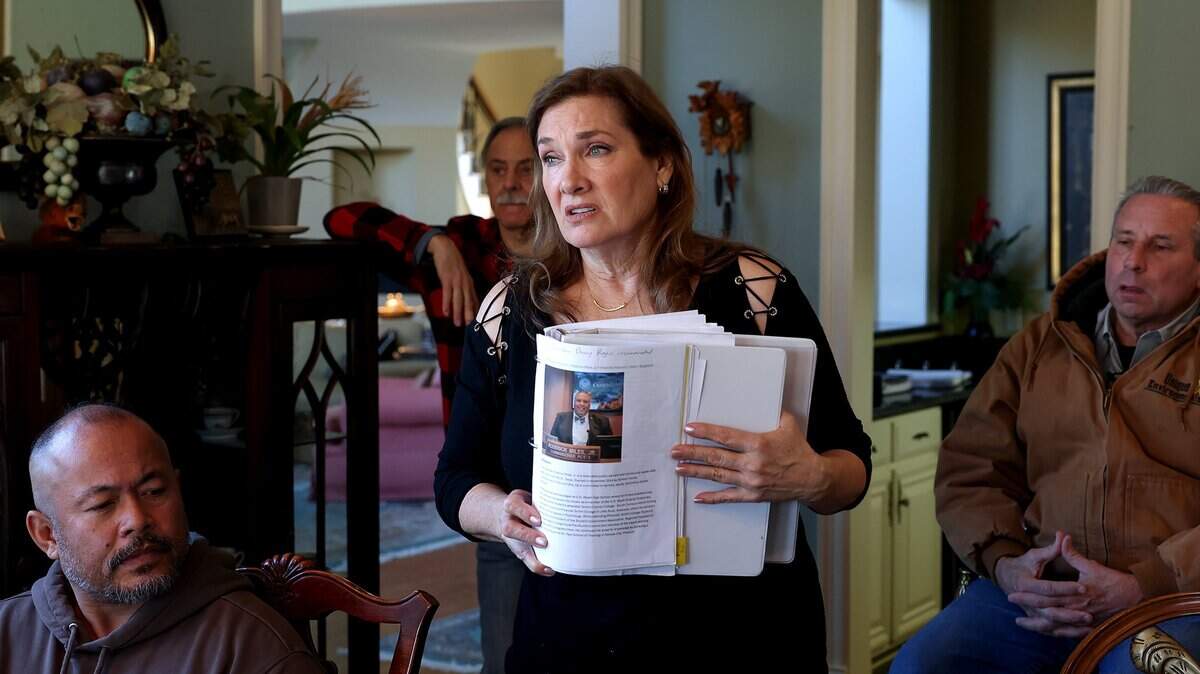
At a public meeting at the Forest Hill Civic and Convention Center on Thursday night, residents from the southern edge of Tarrant County urged the Texas Commission on Environmental Quality (TCEQ) to reconsider permitting a wastewater treatment facility that would discharge treated wastewater into a creek already being monitored for high levels of the bacteria E. coli.
During public comments and an informal question-and-answer session, several of the approximately 200 in attendance, many wearing red in a show of solidarity, voiced concerns about effects on the environment and people’s health.
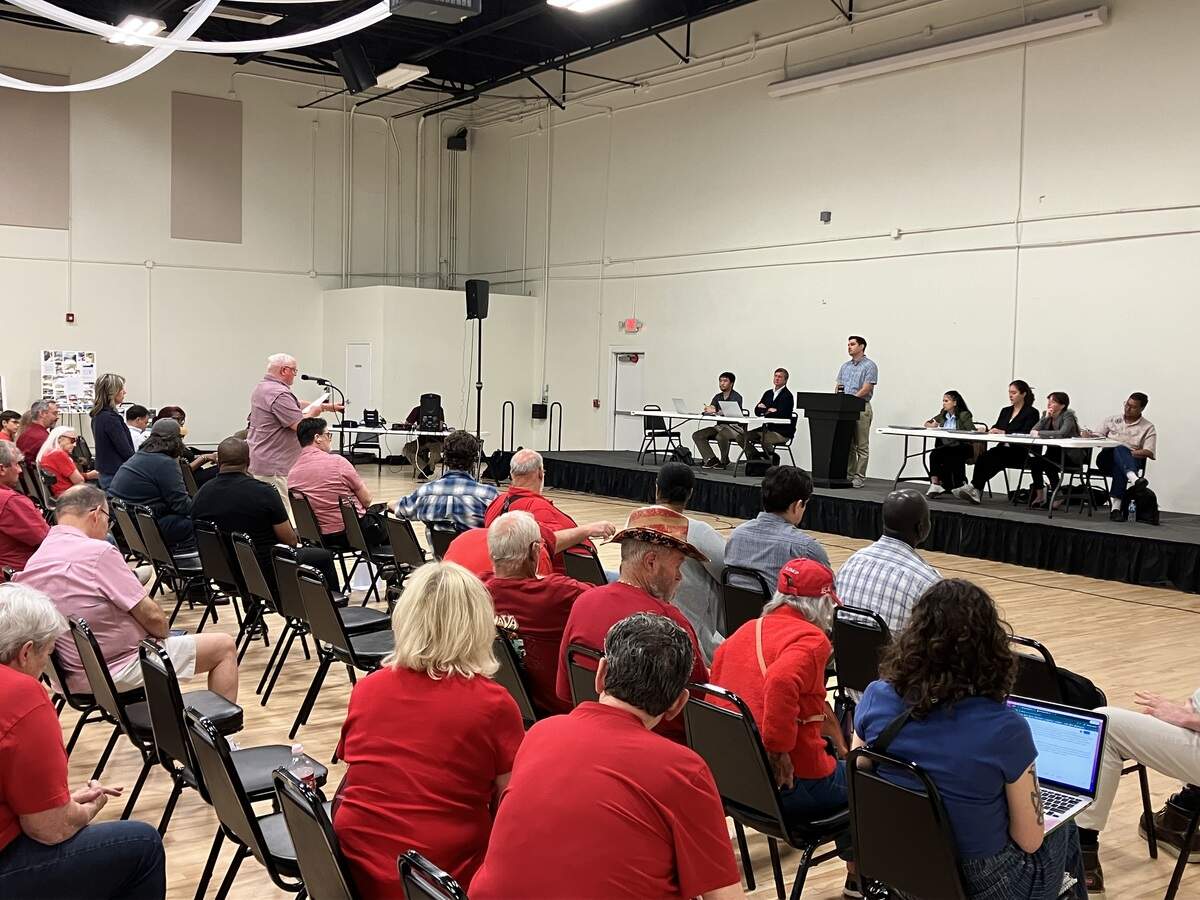
State Rep. David Cook — who requested the public meeting at the behest of some of his constituents — addressed the TCEQ staffers present and asked the agency to reject the wastewater permit application, raising questions about whether the applicants had followed proper protocol.
This fight began more than a year ago when Greg Coontz, a Burleson attorney, and his sister, Cathy Frederick, a Burleson real estate agent, applied for a TCEQ permit for a domestic wastewater treatment facility.
According to application documents, the facility would be built on land Coontz and Frederick own at the corner of FM 1187 and Bill Levey Road near Burleson. It would handle wastewater for a planned mobile home community on the site, discharging treated wastewater into a normally dry creek bed that runs into Village Creek, which in turn feeds into Lake Arlington.
Since 2010, TCEQ has categorized Village Creek as impaired because of its high E. coli concentrations. When asked whether the wastewater treatment plant could worsen that, a TCEQ spokesman told the Star-Telegram it would not.
“The permit and proposed facility are designed to provide adequate treatment to protect the stream from bacterial loads,” the spokesman wrote in a statement.
Michelle Quant, whose family lives across Bill Levey Road from the planned wastewater treatment site, rallied many who were at the Thursday meeting. Treated wastewater would travel across Quant’s property on its way to Village Creek, flowing into a pond her family fishes in and from which her livestock drink.
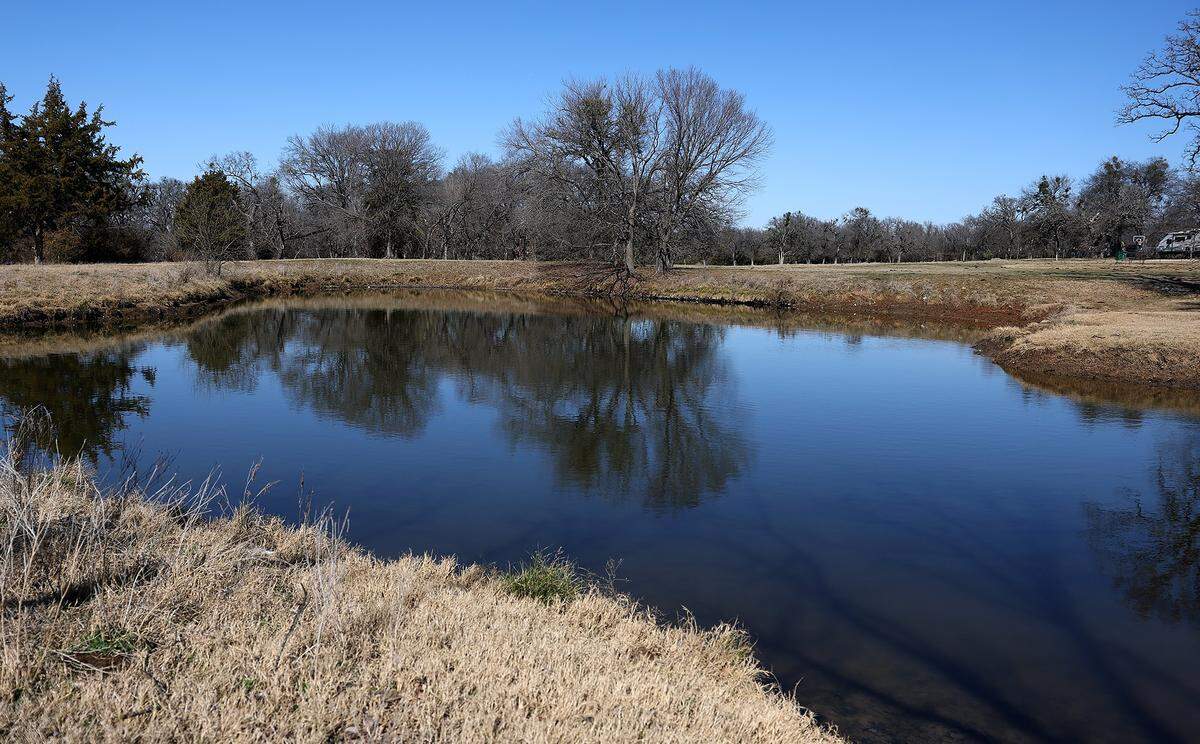
Coontz and Frederick’s application doesn’t mention that pond, and Quant said she wanted TCEQ to deny it on the grounds that it misrepresents the wastewater path.
Quant and her family have hired an attorney to help them stop TCEQ from granting the final permit.
Neither Frederick nor Coontz previously responded to the Star-Telegram’s requests for comment, and neither was at the Forest Hill meeting, but their attorney, Peter Gregg, was. He said he was not at liberty to comment and that his clients weren’t speaking to the media at this time.
Former Fort Worth City Council Member Jared Williams was among those who spoke in opposition to the TCEQ application. He is pastor of the South Fort Worth Baptist Fellowship, about four miles north of the proposed wastewater treatment site.
Williams asked why Coontz and Frederick had removed their property from Fort Worth’s extraterritorial jurisdiction (ETJ) when they potentially could have connected to the city’s water and sewer infrastructure without the need for a wastewater treatment facility.
That was a main point of contention for Cook as well. He said Coontz and Frederick de-annexed their land from Fort Worth’s ETJ in March 2025, five weeks before they applied for their wastewater permit. Cook said he would do everything he could to ensure that permit was not approved, and he concluded his comments by requesting a contested case hearing. That is the next step in the process to compel TCEQ to deny the application.
Other speakers raised concerns about potential odors and air pollutants emanating from the wastewater treatment facility and about how the facility might exacerbate flooding in the area. One speaker asked Gregg if he’d be comfortable with his family living near a wastewater treatment facility.
“Short answer, I would and probably do,” Gregg responded, though he said the question itself wasn’t relevant.
What are the potential impacts on Village Creek?
The Trinity River Authority (TRA) oversees large-scale regional wastewater treatment plants and water treatment and distribution facilities in the Trinity River basin. That includes a facility on Lake Arlington, which provides water to Bedford, Colleyville, Euless, Grapevine and North Richland Hills.
In 2019, TRA instituted a protection plan for the Village Creek-Lake Arlington watershed designed to improve water and environmental quality.
Webster Mangham, an executive manager with the TRA, said modern wastewater permitting programs, like the one overseen by TCEQ, have dramatically reduced instances of waterborne illnesses such as cholera, and he said a properly operated wastewater facility would likely not add to the bacterial concentration in a waterway like Village Creek.
“Wastewater treatment plants are designed and permitted to protect human health and the environment,” Mangham said in a written response to the Star-Telegram’s questions.
However, Mangham said discharging treated wastewater into a creek can increase the water’s nitrogen and phosphorus content.
That can lead to algae blooms that are harmful to aquatic life.
The issue with E. coli in Village Creek wasn’t caused by a single source, Mangham said. He identified failing septic systems, pet waste, wildlife, livestock and stormwater runoff as contributors.
Under the TRA’s protection plan, homeowners in the Village Creek-Lake Arlington watershed can apply for grants of up to $8,000 to install or repair septic systems to help improve water quality. According to the TRA’s website, that program closes in August.
The TRA also offers programs to educate homeowners on proper septic system use and maintenance.
Likewise, the TCEQ spokesman pointed to broken and failing septic systems as a cause of Village Creek’s bacteria problem. The spokesman said the agency was implementing a plan in September 2027 to address those issues.