
He carried nukes and flew Elvis. This American Airlines pilot ‘did it right’
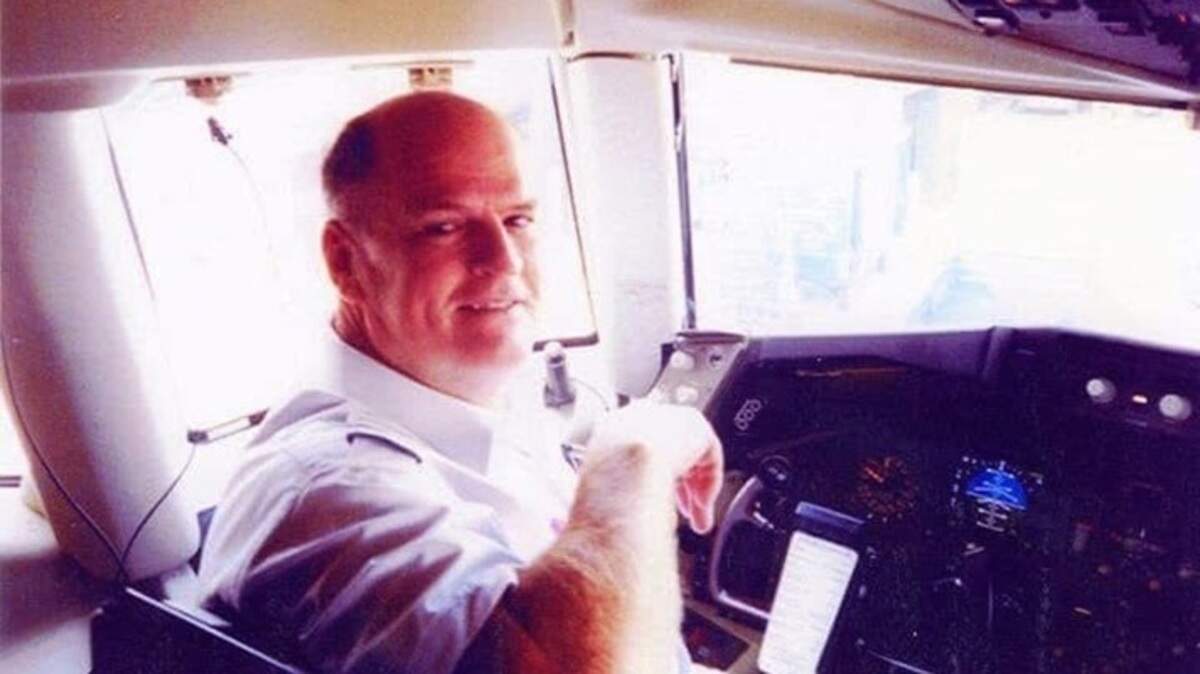.jpg "American Airlines Captain Max McMillon on his final flight in 1996, concluding a 30-year American Airlines career.")
In the shifting skies of the 20th century, Max McMillon’s career bridged the gap between the grit of post-World War II military aviation and the high-glamour, high-stakes evolution of commercial air travel.
A Texas native whose life has been defined by the cockpit, McMillon’s 40-year tenure as a pilot serves as a synthesis of two distinct eras: the disciplined, service-oriented ethos of the “Greatest Generation,” coined by the late news anchor Tom Brokaw, and the opulent, transformative period known as the “Golden Age of Flying.”
From 180-knot landings of the F-100A Super Sabre to flying cultural icons like Elvis Presley and Shaquille O’Neal, McMillon’s journey is more than a professional record — it is a narrative about a pilot of an American era in flight.
Born in 1936 in Cash, Texas, (population 30) McMillon’s arrival coincided with the height of the Great Depression. His parents, married with “not a dime in their pockets” and moved to Greenville, where McMillon, at 4 years old, would first discover the instrument of his inspiration, a toy airplane made of tin in a world where toys were a luxury.
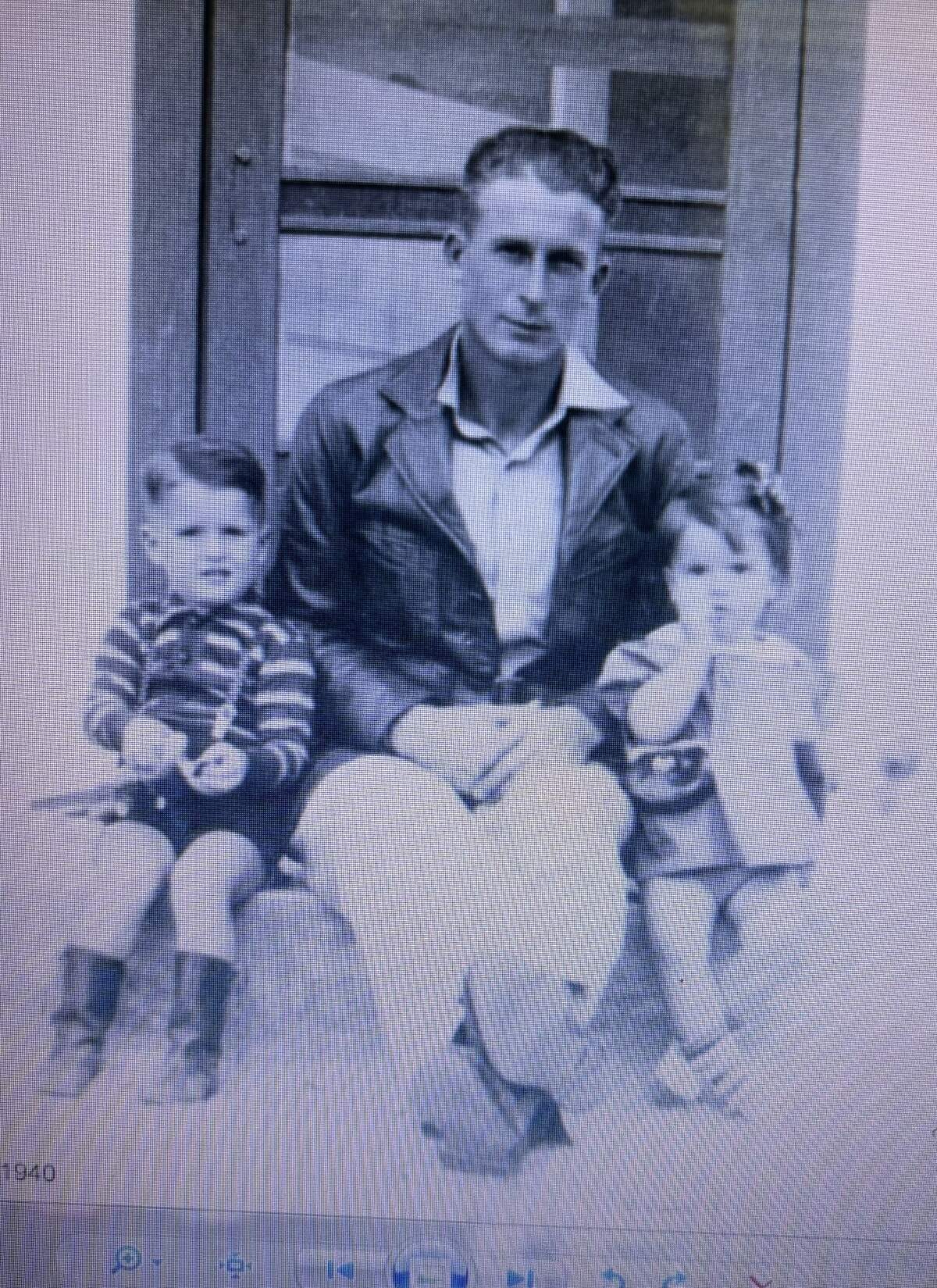
Looking back at a childhood photo of him on the front steps of his family home, McMillon, who now lives in North Richland Hills, noted, “I didn’t realize until later in life that the passion for flying started then.”
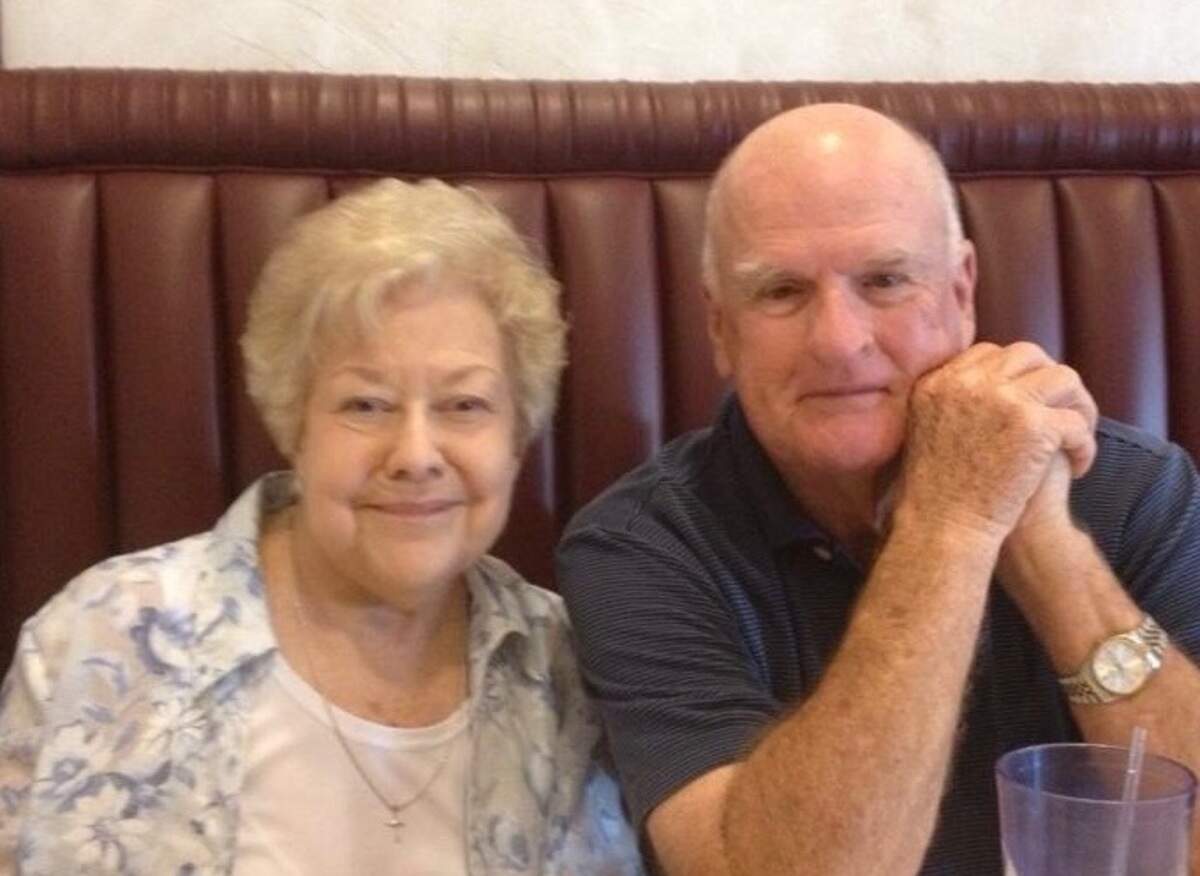
By his senior year of high school, the dream of flight became a tangible reality. He and his high school sweetheart, JoAnne, took their first flight as a couple in a 4-seater Taylorcraft at Majors Field near Greenville. It was a modest beginning for a man who would eventually navigate the globe twice over, but it solidified a marriage that would span 58 years.
The decision to fly as a career began in 1955, when the late U.S. representative from Austin, Sam Rayburn (43rd U.S. Speaker of the House, the longest-serving Speaker in US history), nominated McMillon as an Alternate Candidate for the first class of the Air Force Academy at the new US Air Force Academy in Colorado Springs, Colorado.
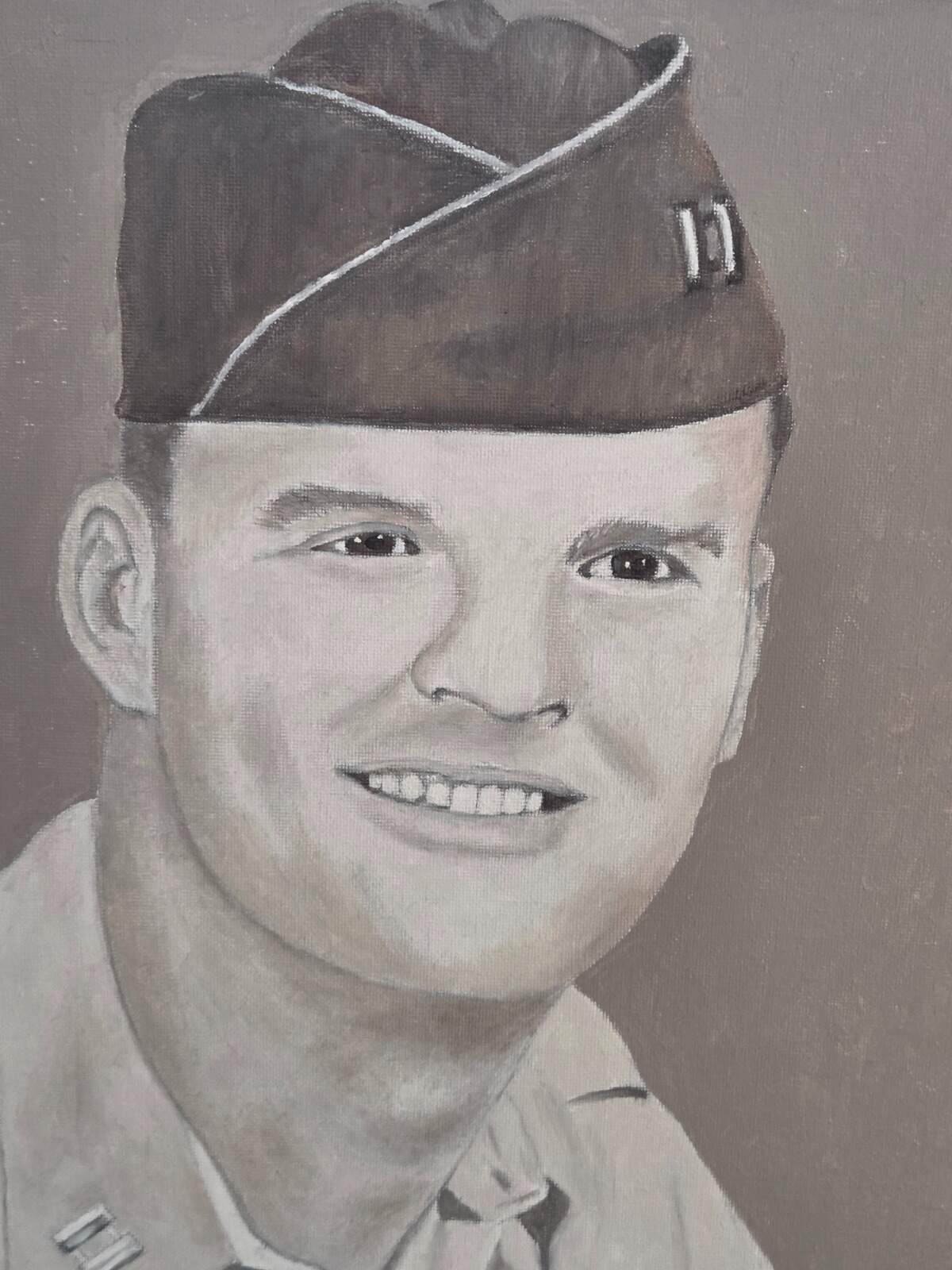
It was 1956 when McMillon made two life-altering decisions: he married JoAnne, and he enlisted in the United States Air Force (USAF). While his mother initially hesitated to sign the enlistment papers, his father’s signature cleared the path for his son to enter the Air Force Cadet Training Program. That same year, McMillon was selected for a pilot training slot.
The Greatest Generation Ethos: Discipline and Determination
The transition into military life was an immediate immersion into the rigid discipline that defined the Greatest Generation. Arriving at Lackland Air Force Base at 10:30 p.m., McMillon was met with the uncompromising reality of the USAF Aviation Cadet Honor Code.
Ordered to stand at attention through the night to memorize the lengthy document, he recalled, “I didn’t realize it was daylight the next day until the upperclassmen and underclassmen were lining up for breakfast. It was a very long first day for me.”
The training that followed was a trial of endurance and precision guided by the US Air Force demerit system that was absolute, with infractions leading to the grueling task of “walking the ramp” for up to 12 hours.
Yet, McMillon excelled, moving from training aircraft to training aircraft: T-34A Mentor, T-28A Trojan, and T-33 Shooting Star.
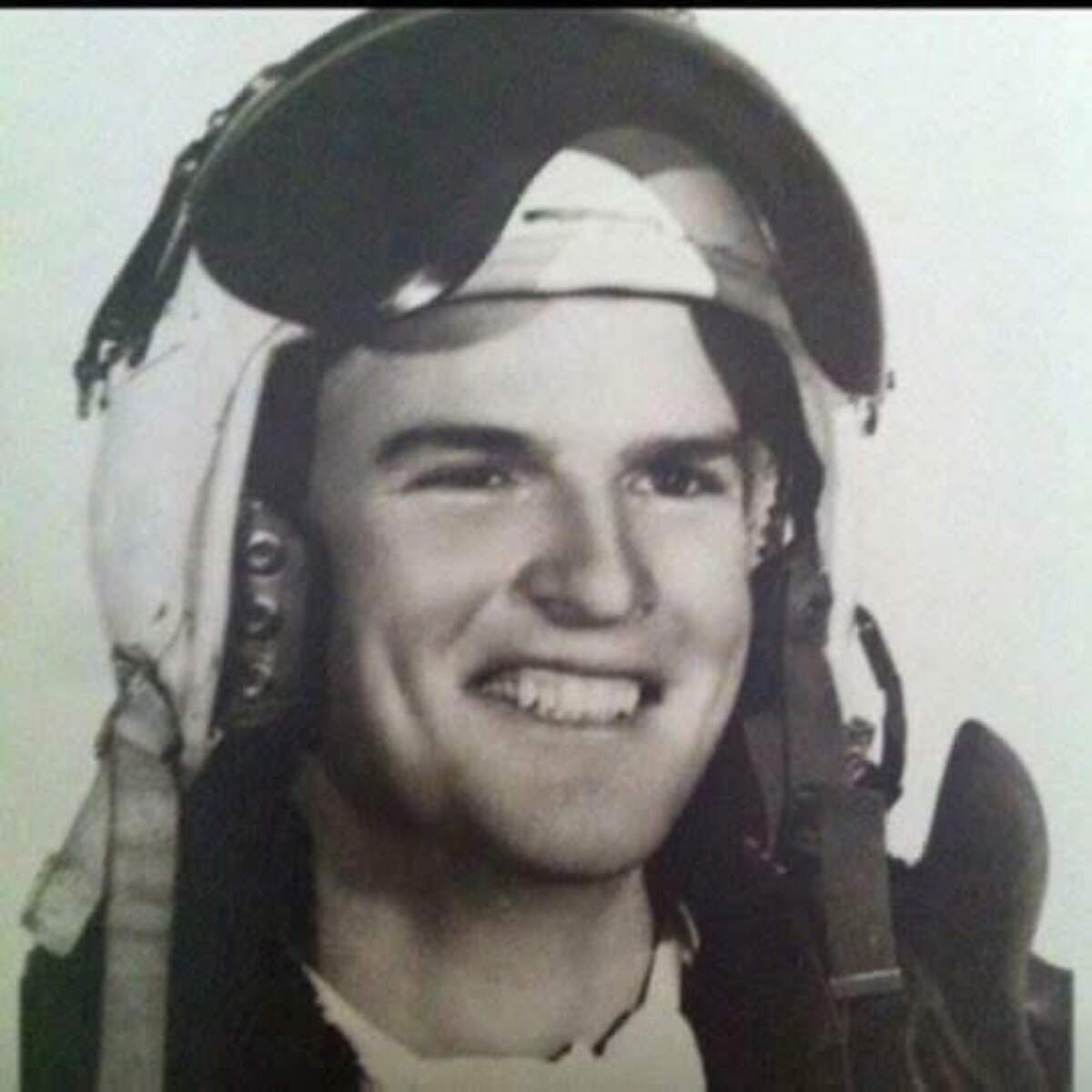
Of his first jet experience, he said, “The first time I flew the Lockheed T-33, I didn’t feel or hear any vibrations; I also couldn’t hear the engine. It was the first time as a pilot I felt the sensation of floating in the air. I was finally flying jets!”
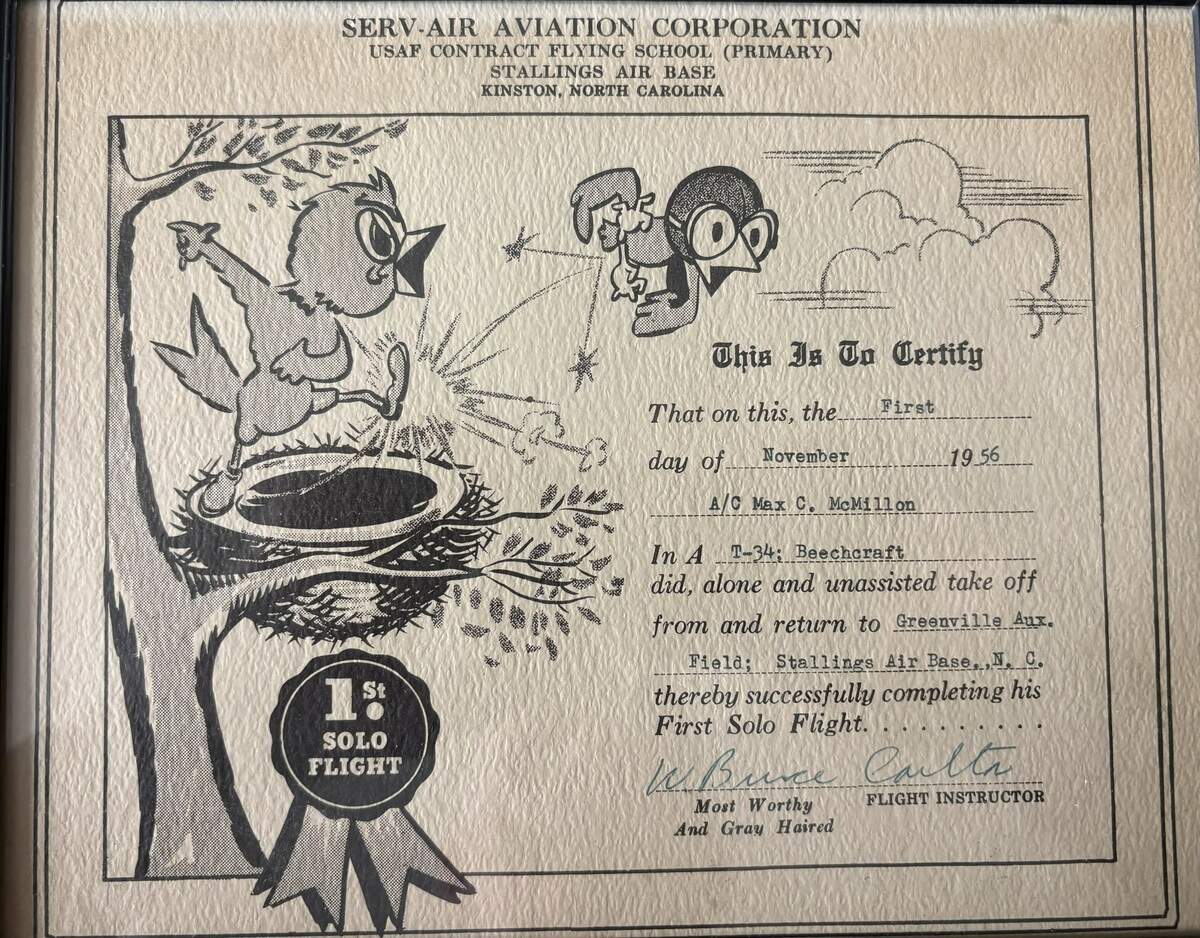
Mastering the ‘Heavy Irons’: The F-100 and the B-52
McMillon’s military career saw him master some of the most challenging aircraft in the American arsenal.
The North American Aviation F-100A Super Sabre, a premier swept-wing fighter of the Cold War, was notorious for its rudimentary landing procedures. Lacking landing flaps, pilots were forced to rely on speed brakes.
“The F-100A was a touchy airplane to fly at low speeds,” McMillon explained. “Without flaps, we deployed the speed brakes to generate the necessary drag while managing the approach to land the aircraft safely. But we had to prepare for a much faster landing, at about 180 knots.”
This period of service culminated in his command of the B-52 Stratofortress, a “heavy iron” bomber that demanded intense coordination.
At just 27.5 years old, McMillon became one of the youngest aircraft commanders to check out on the B-52. His resolve was tested during the 1962 Cuban Missile Crisis, a 13-day period of global tension when he flew multiple 27.5-hour airborne alert missions to the Mediterranean and back.
Carrying nuclear weapons as part of “Operation Chrome Dome,” McMillon and his crew maintained DEFCON 2 readiness.
“I was one of several airborne B-52s flying in a solid stream over the Atlantic to the Mediterranean and back to the U.S. while carrying thermonuclear weapons on board,” he said. “We also carried a metal box that contained the U.S. war plans and our mission’s ‘go-codes,’ which required that we [pilots] had to guard the aircraft.”
McMillon’s mission required that he fly to Spain and back carrying 260,000 pounds of fuel during the missions, while refueling twice in flight by a KC-135.
“If we weren’t able to receive our scheduled fuel from the KC-135, we would have had to conduct an unscheduled landing in Spain,” he said.
.jpg "ONE GULP CLUB MAX MCMILLON APRIL 2026 (1).jpg")
McMillon piloted the B-52 into a precise formation maintaining a steady flight in pre-contact and contact positions just a few feet from the KC-135.
“The B-52 had 10 internal fuel tanks, plus two external 3,000-gal ‘drop tanks’ under the wings,” he explained. “I had to keep the airplane steady and straight at level for 45 minutes while staring at the green light [pilot flight director].”
“I locked eyes entirely on the flight director instrument mounted on the KC-135’s underbelly, which showed a panel of colored lights,” he added. “Steady green light meant the aircraft was in perfect position, while amber or red indicated you were getting out the desired position.”
The Golden Age of Flying: Military Rigor to Commercial Glamour
In 1966, after a decade of military service, McMillon transitioned to civilian aviation with American Airlines, entering a world that was a stark contrast to the hard discipline of the Air Force.
This was the “Golden Age of Flying,” a period of high-fashion service, gourmet meals, and glamorous travel. At that time, commercial flight was a luxury reserved for the elite, characterized by passengers in formal attire and first-class cabins that felt like high-end lounges.
However, the transition from military to civilian pilot was not without its hurdles.
“For airlines at the time, we [pilots] were put on probation for one year and paid a salary,” McMillon explained.
Despite his extensive experience as a bomber and fighter pilot, he still had to work his way through the ranks, starting as a flight engineer before earning his wings as a captain. His commercial ratings eventually included the McDonnell Douglas MD-80, Boeing 727, 747 (flew but not rated), and the combined rating in 757/767.
During his commercial years, to earn extra income for his growing family, McMillon also earned a type rating in the Boeing KC-97 “Stratofreighter” tanker flying for the Texas Air National Guard.
“The KC-97 was an old propeller air refueling aircraft, which made me feel like I was in an episode of the Twilight Zone,” McMillon said.
Celebrities in Flight: If Wings Could Talk
McMillon’s time in commercial aviation coincided with the introduction of the Boeing 747, the “Queen of the Skies.”
As he transitioned from the 727 to the 747, he said, the sheer scale of the jumbo jet was a significant shift.
“It was much larger and heavier, making it feel less responsive than the nimble 727, which required pilots to anticipate its moves well in advance,” he said.
Beyond technology, the Golden Age was defined by its passengers. McMillon’s manifesto often read like a “Who’s Who” of the 20th century.
In 1970, he flew Elvis Presley from Memphis to Washington, D.C., noting that the King “sat in first class and watched a movie.”
He also flew Lady Bird Johnson, Dorothy Hamill, and NBA star Shaquille O’Neal.
During a flight with O’Neal, the aircraft encountered heavy thunderstorms, which generated the phenomenon known as “St. Elmo’s Fire,” McMillon said. “If the clouds are thick enough, St. Elmo’s Fire will build up on the aircraft and ‘dance’ around on the windshield. Static electricity is generated by the friction of the aircraft passing through the clouds. If the charge gets large enough, a lightning strike will occur.”
It was a scary moment for passengers, he said, then added, “I jokingly told my first officer, ‘Shaq’s eyes are probably the size of saucers.’”
Airline Deregulation: Increasing Global Travel
As McMillon’s career progressed, the industry underwent a seismic shift with the Airline Deregulation Act of 1978.
For decades, the Civil Aeronautics Board (CAB) had maintained a stranglehold on routes and fares, keeping prices high and competition low.
“The CAB controlled all commercial airline routes in the U.S.,” McMillon explained. “The airlines at the time had to research the requested routes and then apply to the Civil Aeronautics Board for approval for each specific airport.”
With deregulation, new routes opened as markets began to dictate routes, and air travel became accessible to the general public, he said.
While this ended the exclusive glamour of the Golden Age, it signaled a new era of global connectivity.
McMillon observed these changes from the cockpit as shared in an anecdote, “Each day, two 747s departed for Hawaii, at 10 a.m. and 12 noon, arriving back at DFW two days later.”
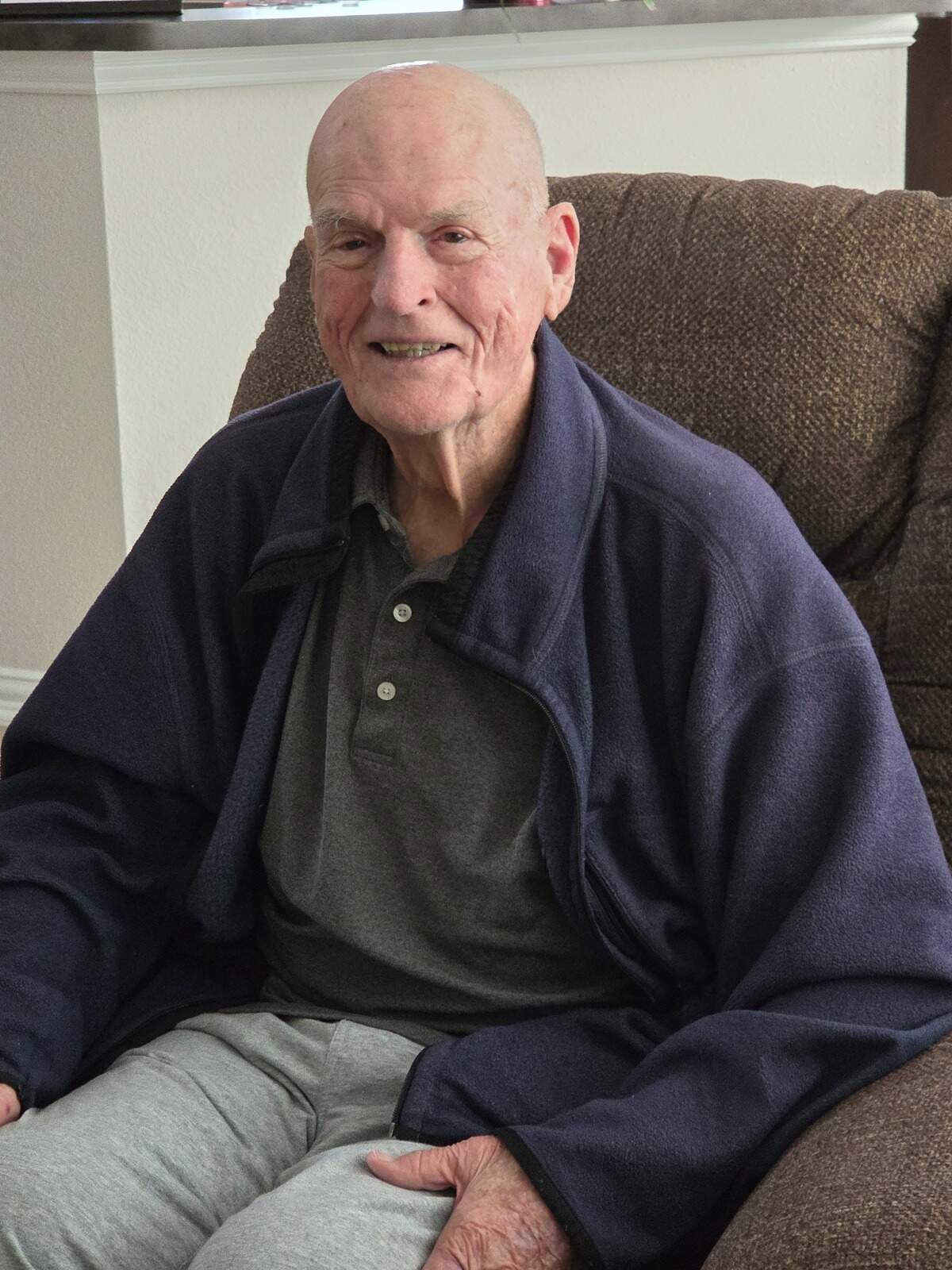
The Final Descent: A Legacy of ‘Doing it Right’
McMillon’s final flight with American Airlines was set for July 25, 1996, just days before his 60th birthday, the mandatory retirement age for commercial pilots at the time, per the FAA.
Flight 2303, DFW to Santa Ana, California, and back, was a family affair, with JoAnne and their three daughters riding in first class.
“My most precious moment in my 40 years was having my whole family on board with me on my final flight,” he said.
As the aircraft taxied to the gate at DFW, McMillon explained, it was met with a “ceremonial water cannon salute from airport fire trucks” — America Airlines’ “fini-flight” tradition honoring a lifetime of service.
Reflecting on “40 years, one month, and 20 days of flying,” McMillon remains governed by the philosophy instilled in him by his father: “If a job is worth doing, it is worth doing right.”
Today, from his home in North Richland Hills, McMillon, 89, looks back on a career that spanned the evolution of the jet engine, the democratization of the sky and 19,001 flight hours.
“After four decades, I could say, I did it right … all of it,” he concluded.