
Mansfield is booming. Perspectives differ on whether that’s a good thing
Mansfield might just be the envy of Tarrant County suburbs — not to mention towns in Johnson and Ellis counties, which Mansfield also straddles.
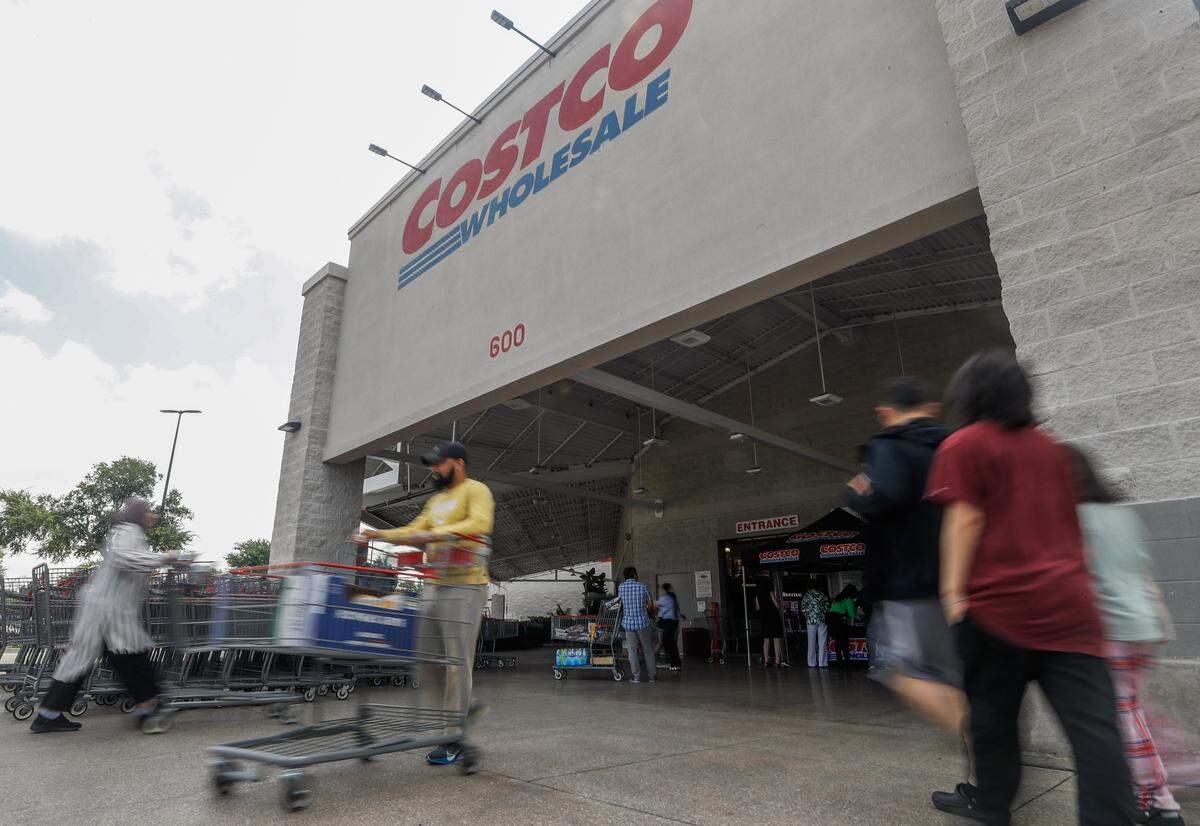
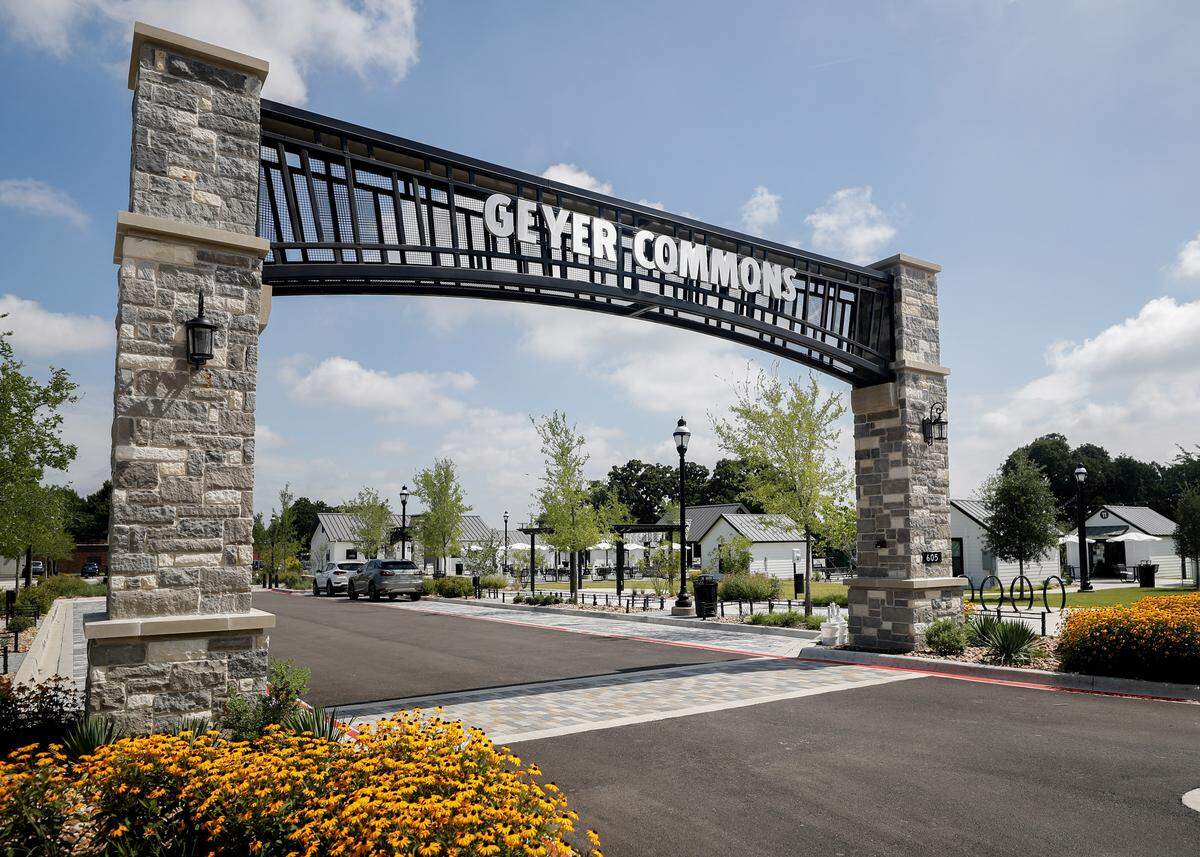
Its population has tripled in 25 years, spurring a development boom that has brought new neighborhoods, first-class hospitals, restaurants for every taste and occasion, entertainment and recreation options and additional retail, including a Costco and an H-E-B, hallmarks of any self-respecting city on the make.
Throw in Mansfield’s proximity to Dallas and Fort Worth, and it’s not hard to understand why people are moving there in droves. But while newcomers and outsiders may be blissfully ignorant to it, there’s a cultural conflict raging between some residents, pitting “old Mansfield” against those with a different vision for what Mansfield can, and likely will, be in the coming decades.
Transparency called into question in Mansfield
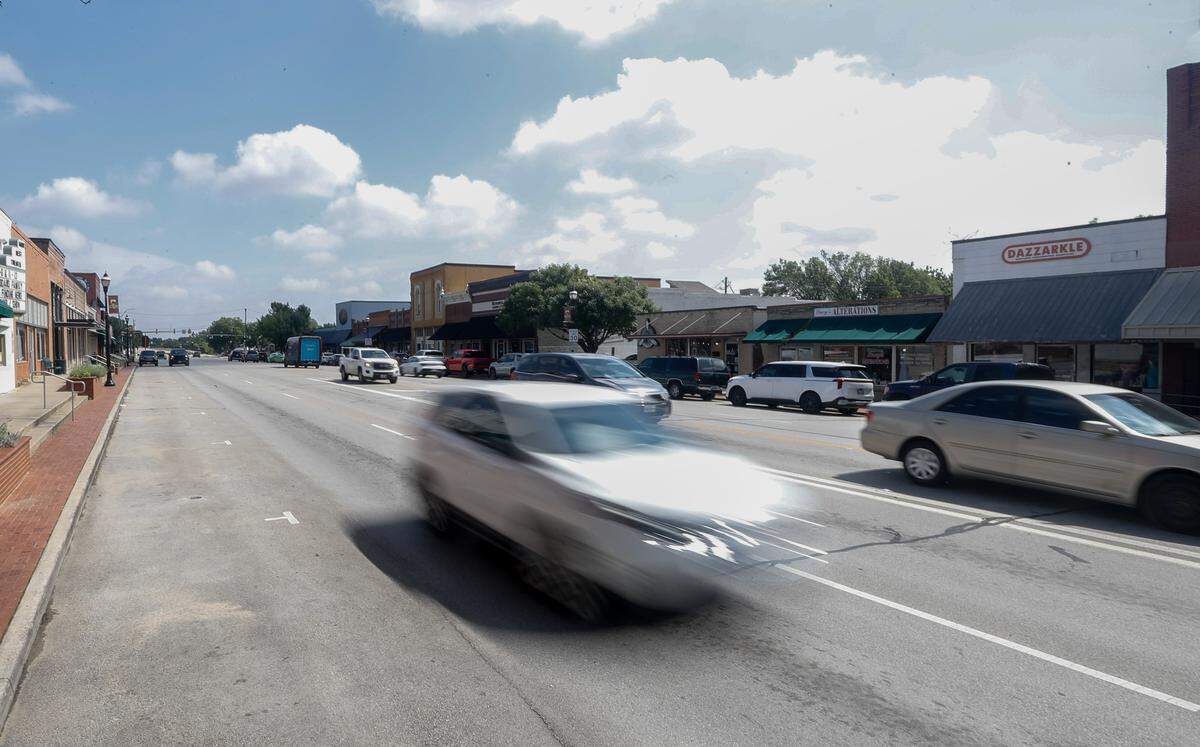
While Mansfield retains some of its small-town charm — its historic downtown is quite picturesque, in fact — it’s not immune to the political infighting you see in Fort Worth and Dallas ... or Washington, D.C., for that matter. What makes Mansfield interesting is it’s largely conservatives fighting with conservatives, or, at the very least, centrists.
Julie Short served on the Mansfield City Council from 2018 until 2025, when she ran for mayor against incumbent Michael Evans, who has held that office since 2020. Short, who was backed by MAGA conservatives like Tarrant County Judge Tim O’Hare and former Tarrant Republican Party chair Bo French, said she went for the top job because she wasn’t comfortable with where Evans was taking the city and its government.
For one, Short alleged Evans pushed the council to handle more and more city matters in executive session, out of earshot of the public.
Short admitted she went along with that approach for a while, which she regrets, because it allowed the council to move forward with resolutions the public would have otherwise questioned.
“If you truly believe in what you’re doing, you should be able to handle questions,” Short said.
Mayor Evans, however, said the City Council is fully transparent and receptive to public input. As evidence, Evans listed a number of community engagement sessions he and the council regularly participate in, including quarterly meetings with Mansfield homeowners’ associations and annual State of the City and Common Table events, where residents are invited to hear from elected officials and share ideas.
“We meet with all of our boards, commissions as one big group twice a year for planning and zoning to make sure that we’re all on one accord,” added Evans. “All of those, every last one of them, is open to the public.”
Council member Tamera Bounds agreed with Evans, adding that she spends hours each week meeting independently with constituents, listening to their concerns and helping solve problems. Partly because of those efforts, and similar efforts on the part of other council members, Bounds believes the majority of Mansfield residents support the council and the mayor.
Election results seem to support that argument. This year, incumbent council member Todd Tonore ran unopposed for his seat, and former Mansfield school district superintendent Jim Vaszauskas ran unopposed to replace Larry Broseh, who is stepping down after serving six terms on the City Council.
In 2025, Bounds won her seat with nearly 60% of the votes, and Evans defeated Short by a margin of almost 30 percentage points. Likewise, Council member Todd Simmons rode a 30-point runoff election victory to assume the seat vacated by Short when she launched her mayoral bid.
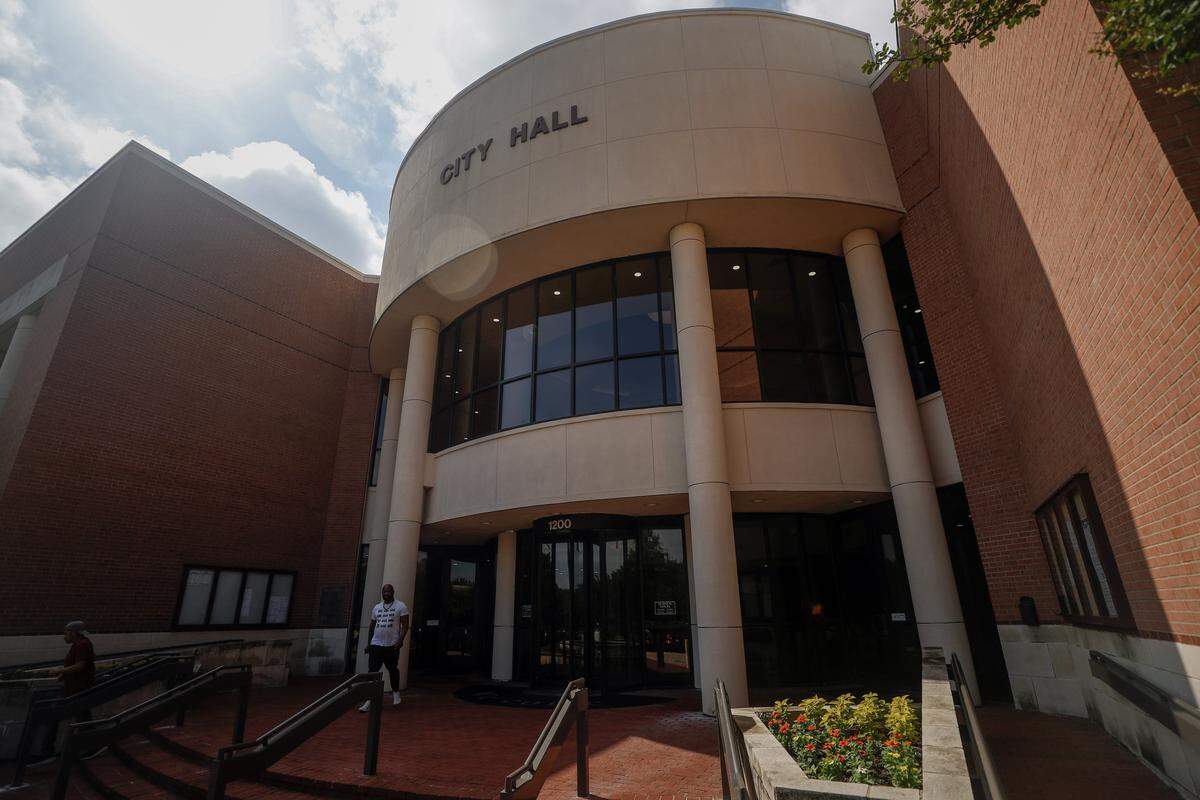
Mansfield city hall a point of contention
Melissa Perez, who ultimately lost to Simmons in last year’s council race, is one of those unhappy with Mansfield’s leadership and its direction. She echoed some of former council member Short’s concerns about transparency, but she primarily took issue with how the city spends money.
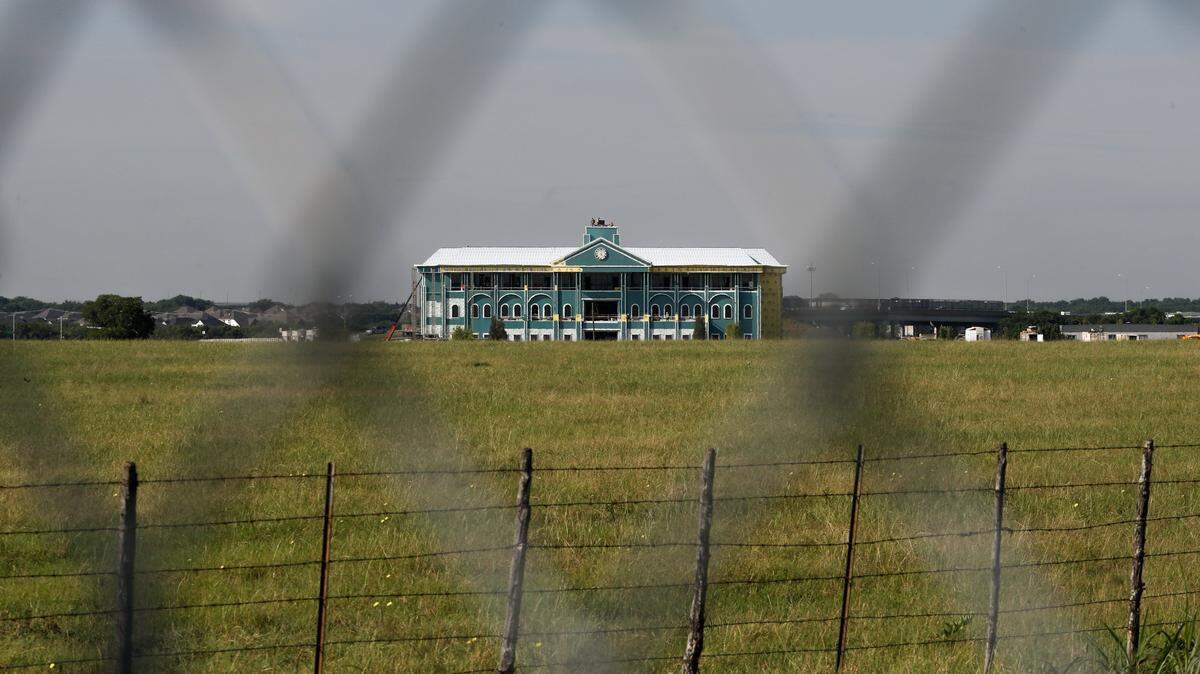
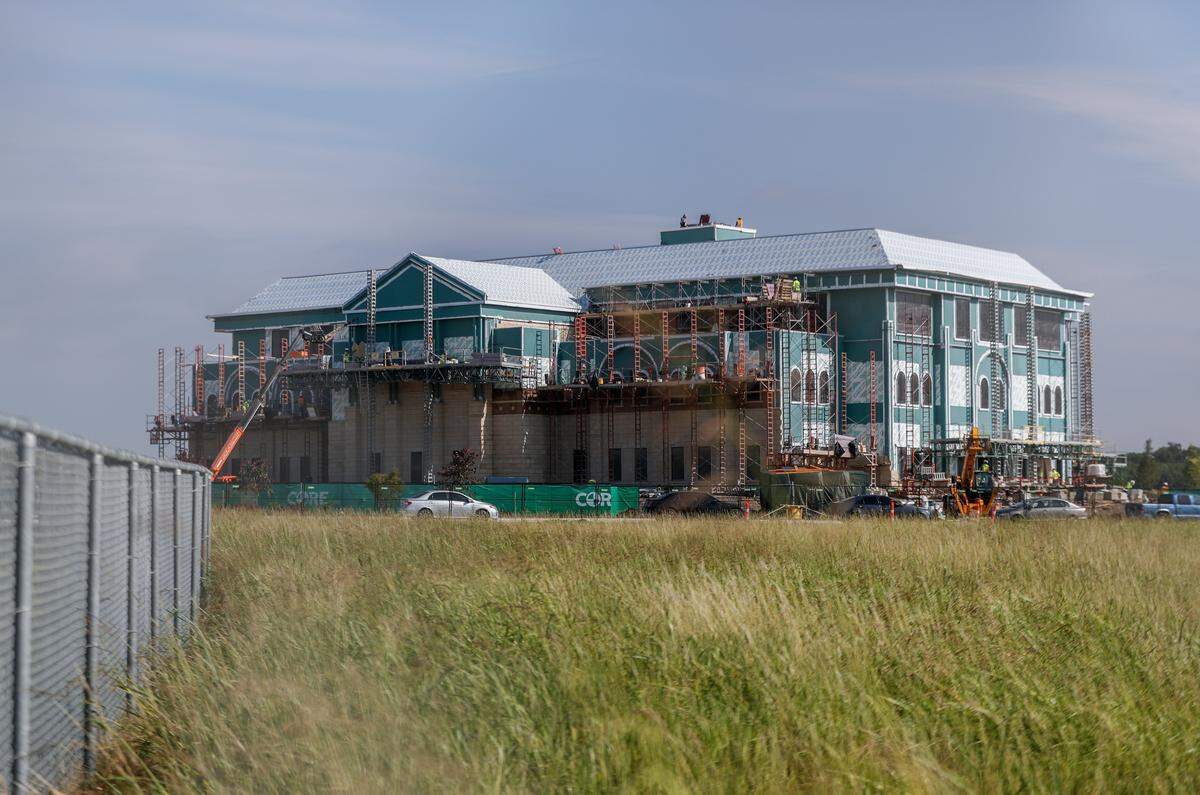
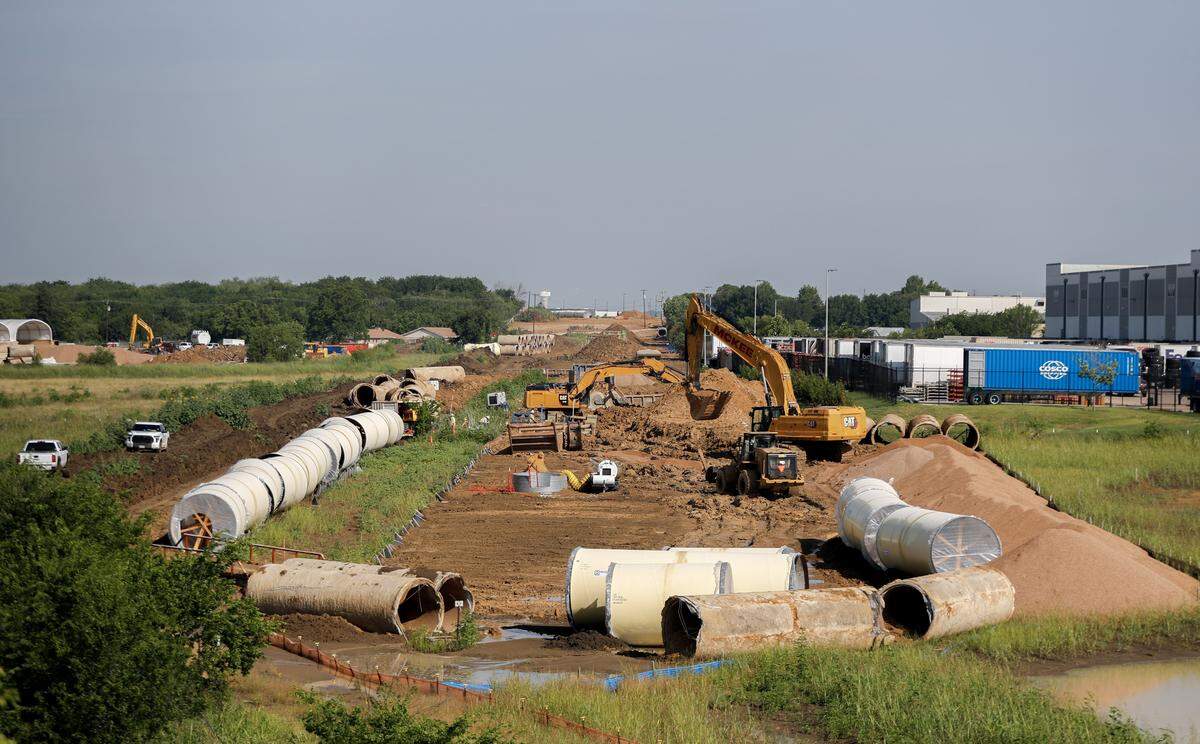
One example is the $80 million city hall set to replace the one that opened in 2002. The new city hall will be situated in a $1 billion mixed-use development called the Canals, which will feature homes, shops and restaurants surrounded by a network of canals and lakes.
The City Council did not seek voter approval for the project.
The rationale for building a new city hall is that the old one is too small to accommodate existing city staff, and it won’t be adequate for the number of staffers needed as Mansfield’s growth continues.
Funding for the project was generated by issuing debt in the form of a certificate of obligation — essentially a loan repaid with tax revenue. The development around city hall is a tax increment reinvestment zone, which allows tax dollars generated in that area to remain in that area to pay for projects and improvements.
Unlike general obligation bonds, certificates of obligation doesn’t require voter approval, even though they can force cities to raise taxes.
Mayor Evans and City Manager Joe Smolinski argued that despite incurring debt, Mansfield’s tax rate has consistently gone down in recent years while the homestead property tax exemption rate has increased.
To those who are critical of council spending, though, it’s not as much about the money as it is about the optics.
While a bond to fund city hall construction was not put to a vote, other bond propositions were, and they were summarily shot down. For example, voters in 2022 rejected a proposed $5 million general obligation bond to construct a Miracle Field, an inclusive baseball field for players with disabilities. They also said no to a proposed $7 million bond for a veterans memorial.
Despite that, the City Council later authorized approximately $4 million for improvements to the city’s Julian Feild Park, part of which will cover a veterans memorial. And the Miracle Field is being constructed as part of the renovations to the Fields at Station 63 sports complex.
“Every single thing the citizens voted down, they’re building today,” Perez said of the City Council. “What does that say to your citizens? Your voice doesn’t matter.”
Smolinski sees it differently, though. He said when it comes to discretionary spending, citizens expect their leaders to use tax money on what’s needed to keep the city running smoothly and provide amenities residents desire. Before those kinds of decisions are made, though, there’s a lengthy analysis, Smolinski said, and he argued Mansfield has a track record of thoughtful spending, pointing to the city’s high credit rating.
Too much of a good thing?
Growth is one of the biggest sore subjects in Mansfield, for understandable reasons. There are those who grew up there or moved there before the boom, and the Mansfield they see today is vastly different from what they once knew.
Some, like Perez and Short, said the city has grown too much, too fast. Roads are congested, rural areas are increasingly under threat of development and Mansfield is losing the small-town feel to which so many longtimers were accustomed.
The mayor and city manager agreed there have been growing pains as Mansfield approaches 90,000 residents, up from around 28,000 in 2000. But they disagreed with any suggestion that city officials have sacrificed quality of life in favor of expansion.
For proof, look at U.S. News and World Report, they said, which last year named Mansfield the 27th best place to live in the U.S.
Mayor Evans said he and other leaders are in a tough spot when it comes to growth. If Mansfield starts turning away developers and corporate entities, they’ll just set up shop in Arlington or Grand Prairie or Midlothian. Evans said those neighboring cities are just daring Mansfield to say no to the economic opportunities coming their way.
Another argument Evans made was that the majority of Mansfield is happy with the growth. They like options on where to live, what to do and how to spend their money.
“The mindset has been, from the counterperspective, you can’t control this growth, so we better make sure that we get the best we can while we can,” said Evans.
Partisan politics rears its head in Mansfield
The issues plaguing Mansfield, though, go deeper than disagreements over growth, fiscal stewardship and how to run a city. There’s also a fair amount of political mudslinging and backbiting.
Mayor Evans is a target of much of that, as are certain council members, like Bounds and Todd Tonore, who are viewed as being part of the mayor’s inner circle.
Bounds joked that Evans lives rent-free in his opponents’ heads, while two of Bounds’ friends, Kristen Saponaro Fleming-Wood and Angie Thor, both of whom are politically involved, said the vitriol directed at Evans is unwarranted.
Thor described her political views as right leaning, which don’t always align with Evans’. Regardless, Thor has no issue supporting her mayor, describing him as a good leader and a man of good character.
That kind of thinking is tantamount to blasphemy, though, in the age of bitter partisan politics, and Thor said it earned her the moniker most dreaded in conservative circles: RINO — Republican in Name Only.
While Thor laughed that off, she said things have, at times, taken a darker turn. People have been threatened over their political beliefs, and there are some who use social media and other platforms to try and ruin reputations. Fleming-Wood said she’d been involved in a near-altercation at the voting polls with a disgruntled resident who didn’t like that she supported Bounds and Evans.
Some of that bad blood is on display at City Council meetings. In April, Evans got into a heated exchange with resident Raymond Barlowe, who called the mayor, who is Black, “an Uncle Tom,” which is widely viewed as a racist term. The mayor responded by calling Barlowe, who is also Black, “brother” as Barlowe was being escorted out of the council chambers. Barlowe took offense, saying he’d previously asked Evans to not refer to him as brother.
Evans sent Barlowe an apology letter and a $100 Visa gift card, but Barlowe said he didn’t accept Evans’ apology and planned to return the gift. When asked about the apology, Evans, who is a pastor, said as a Christian and a leader, he felt he needed to try and make things right with Barlowe. Evans purchased the gift card with money from his own pocket, not from the city.
At the same meeting as the Evans-Barlowe back and forth, another resident, Houston Mitchell, criticized the council during public comments. When he was done, and Barlowe was walking up to address the dais, Mitchell said something to Barlowe to the effect of “give ‘em hell” or “go get ‘em,” depending on who you ask.
Mitchell said he meant that as encouragement, knowing Barlowe was going to express some of the same frustration with the council that Mitchell himself had. The next day, though, Mitchell said he was visited by Mansfield police, who threatened him with arrest.
Mitchell viewed that as the council attempting to silence him and infringe upon his right to freedom of speech.
According to screenshots of text messages that were shared online, which Smolinski confirmed were legitimate, Tonore took offense to what Mitchell said to Barlowe, calling it incitement. He said council members should file a formal complaint against Mitchell and Barlowe with police, though that never happened, according to Smolinski.
“The fact it was done in public and on film sends our citizens a horrible message if we do nothing. We will continue to see this behavior,” Tonore wrote in one text message to Smolinski and Police Chief Tracy Aaron.
“They need the living s--t scared out of them,” Tonore said of Mitchell and Barlowe in another text.
Tonore did not respond to an email requesting comment.
This is Mansfield, a microcosm of the state and the nation as a whole, where it’s increasingly difficult for differing political ideologies to find common ground.
Today, the city is about 80% built out. Smolinski said max capacity is around 140,000 residents, and if things continue as they have, Mansfield’s population should hit that in the next 25 years.
In other words, there’s no going back. The question now is whether civility and mutual cooperation can survive the transformation from little town to big one. In that regard, Mansfield might not just be the envy of Tarrant County — it might be a bellwether, offering a glimpse into the futures of small-to-medium-sized towns all over this area as more and more residents pour into the Dallas-Fort Worth region.