
Black Mountain's data center faces rural and suburban pushback. What to know
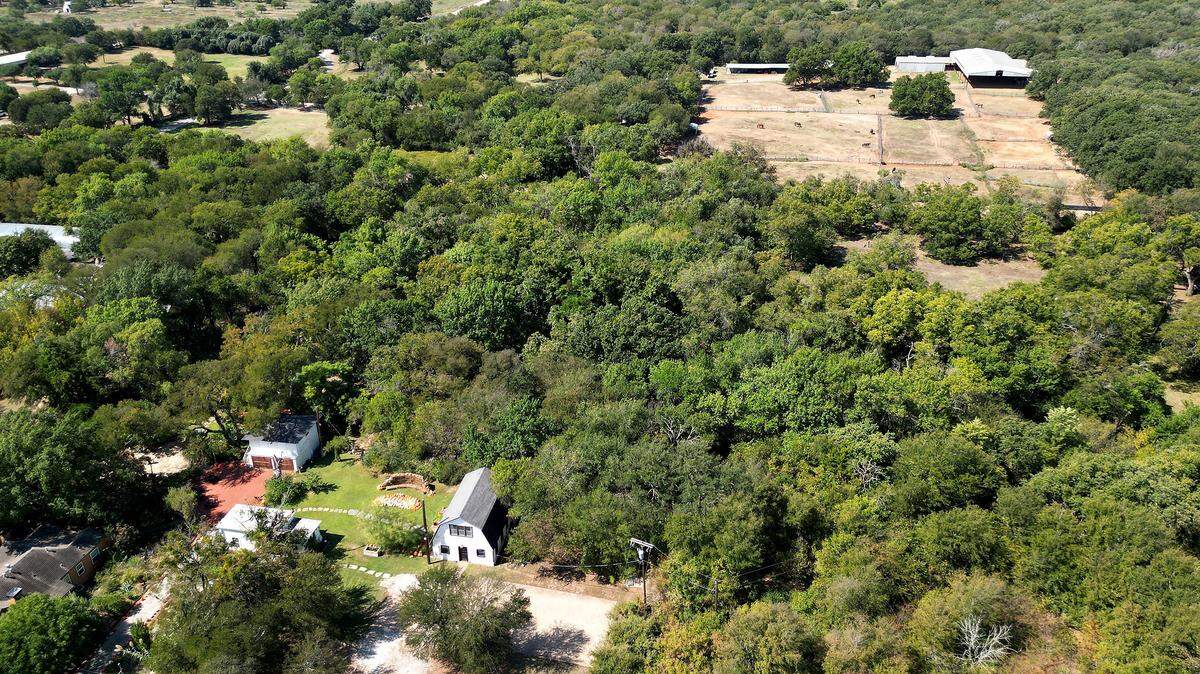
A Fort Worth-based energy consortium is pushing forward with a $10 billion data center project that has expanded beyond city limits into rural Parker County, drawing resistance from residents, suburban leaders and small-town officials. The fight centers on promised tax revenue, campaign donations and community concerns about health, water and power.
Here are key takeaways:
- Black Mountain CEO Rhett Bennett says the data center would generate $30 million annually in tax revenue for Fort Worth and Tarrant County and create hundreds of jobs averaging more than $75,000, though the company has no formal economic development agreement with the city.
- Black Mountain quietly purchased over 2,000 acres in Parker County worth more than $57 million in assessed value near Weatherford and applied to operate five natural gas turbines to power a potential data center site.
- Weatherford officials rejected a data center in the city, with the city declaring in January that “data centers will remain NOT ALLOWED in Weatherford” after hearing concerns from residents.
- Black Mountain founder Rhett Bennett donated $46,000 to eight Fort Worth City Council members and Mayor Mattie Parker in 2025 while seeking zoning approvals, and Black Mountain Power LLC donated $500,000 to Gov. Greg Abbott in November.
- The Fort Worth City Council delayed a site plan vote by more than a month, pushing it to June 23 after more than 30 people registered to give public comment at the originally scheduled meeting.
- Residents in Forest Hill confronted developers at a tense March 11 meeting, holding “No Black Mountain” signs and raising concerns about environmental racism, pollution and health risks in southeast Fort Worth.
- The 187-acre site plan calls for four buildings standing 68 feet tall with 2.2 million square feet of enclosed space and a substation that would deliver power only to the data center.
- The Fort Worth Zoning Commission unanimously recommended approval of the development amendment in April, even as Weston Gardens owners and other residents said Bennett had not fulfilled promises to introduce the future operator to the community.
- At a Texas House State Affairs Committee hearing, industry officials told lawmakers their facilities use less water than five households a year on average and pledged residential ratepayers would not bear the cost of expanded power needs.
The summary points above were compiled with the help of AI tools and edited by journalists. The source reporting referenced above was written and edited entirely by journalists.