North Texas once faced Ebola: A look back at the 2014 outbreak, what to know now
The World Health Organization has declared the Ebola outbreak in Africa an international health emergency after the virus spread into multiple countries.
As of May 25, the Democratic Republic of the Congo reported 10 confirmed deaths, 105 confirmed cases, 906 suspected cases and 223 suspected deaths, while Uganda reported one confirmed death and seven confirmed cases, according to the latest CDC update.
The outbreak involves the Bundibugyo strain, which currently has no approved vaccine and has prompted travel restrictions in the United States. The CDC says the overall risk to people in the United States remains low, and no cases tied to the current outbreak have been reported in the country.
But long before the latest outbreak, Ebola put North Texas at the center of one of the country’s biggest public health stories after the virus reached Dallas in 2014.
Here’s how the events unfolded in North Texas and what you should know about the virus now.
What happened during the North Texas Ebola outbreak?
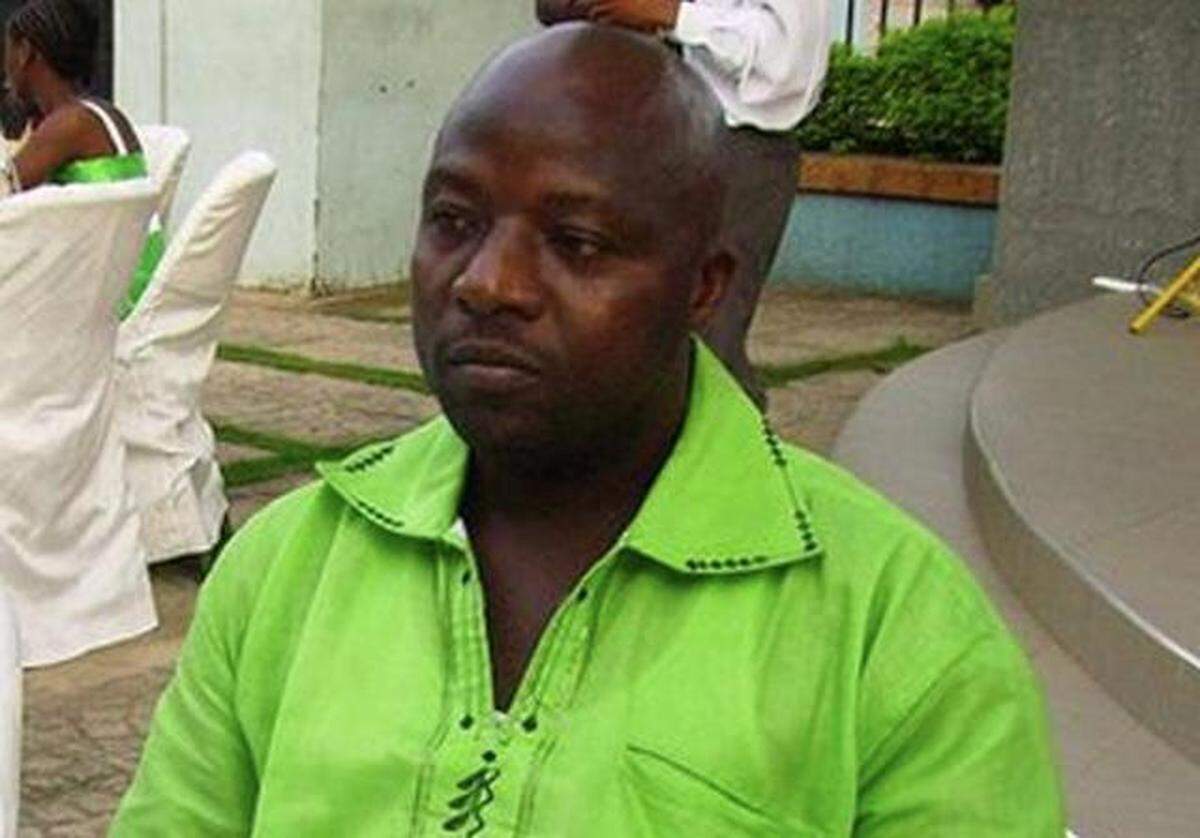
It all began in September 2014 when Thomas Eric Duncan arrived in Dallas from Liberia, where Ebola was already spreading.
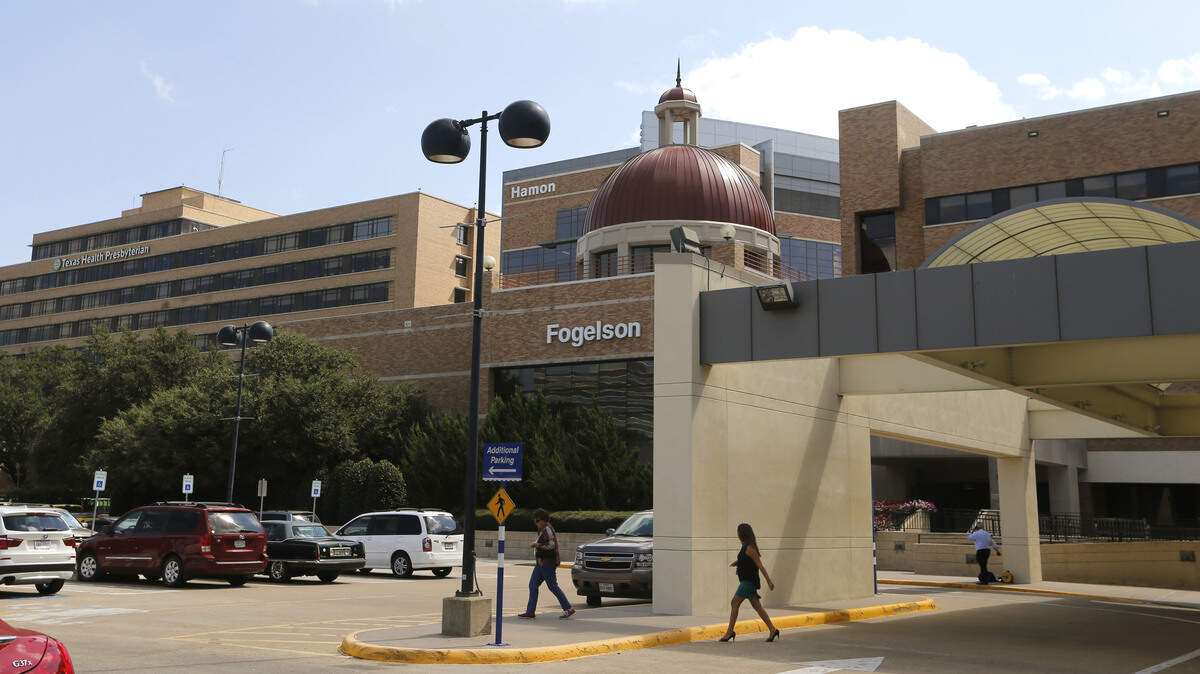
Days after arriving, Duncan developed symptoms including fever and stomach pain and sought treatment at Texas Health Presbyterian Hospital in Dallas. Hospital staff initially diagnosed him with a sinus infection, gave him antibiotics, and sent him home.
Three days later, Duncan returned to the hospital after his symptoms worsened, and this time, he was placed in isolation.
Duncan later tested positive for Ebola, becoming the first person diagnosed with the virus in the United States. As Duncan fought the disease, nurses Nina Pham and Amber Vinson helped care for him as his condition continued to worsen.
Duncan eventually died on Oct. 8, 2014.
Days later, Pham and Vinson tested positive for Ebola after caring for Duncan and were transferred to specialized treatment centers. Pham was treated at the National Institutes of Health in Maryland, while Vinson received treatment at Emory University Hospital in Atlanta. Both later recovered and were declared Ebola free, but the response continued across North Texas.
Duncan’s apartment complex was quarantined, health officials monitored more than 100 people tied to the outbreak and some schools temporarily closed out of fear.
North Texas was eventually declared free of the virus, but the story continued after the outbreak ended.
Pham later sued Texas Health Resources, alleging the hospital failed to properly train and protect workers caring for Duncan and left staff unprepared to handle Ebola patients. The lawsuit was later settled.
What is the Bundibugyo Ebola strain?
The Bundibugyo strain is a rare form of Ebola that was first identified during an outbreak in Uganda in 2007. The CDC says it’s one of four Ebola viruses known to infect people with the disease.
While it can still be serious, the strain has historically had lower death rates than some other forms of Ebola, with fatality rates around 25% to 50%. Unlike illnesses that spread through the air, Ebola spreads through direct contact with bodily fluids from an infected person or contaminated objects, according to the CDC.
Symptoms of Ebola can appear anywhere from two to 21 days after exposure, though most people begin showing signs within eight to 10 days. Early symptoms may feel similar to the flu and can include fever, fatigue, body aches, headaches and sore throat.
As the illness worsens, people can develop vomiting, diarrhea, and in severe cases, unexplained bleeding.
This story was originally published May 26, 2026 at 12:03 PM.