
43 years later, unsolved killing of 2 teens haunts this North Texas town
.png)
Worry crept in after midnight for Vincent Tijerina. His teenage son Vincent Jr., a sophomore at Weatherford High School, hadn’t returned home Friday evening after he spent time with Michelle “Shelly” Colliflower, who was a freshman.
It was March 25, 1983.
Tijerina drove through the rain all night around Weatherford, a city of just over 12,000 people at the time, to try to find his son, but it was fruitless. Around 7 a.m, Tijerina was on Tin Top Road, a few blocks from his house, when his son’s Chevy Monte Carlo came into view. It was parked about 50 feet from the road in the lot of an abandoned school, Southside Consolidated. The area was a popular hangout spot known as “Piss Hill.”
What Tijerina found has left an open wound for more than 40 years in a city growing faster and faster away from answers.
Colliflower, 14, and Tijerina Jr., 16, were found dead in the front seat of the car that morning. Colliflower had a bullet hole in the back of her head, and Tijerina Jr. had a bullet hole through his left eye. The slayings rocked Weatherford, the seat of Parker County. Mac Smith, then the district attorney, told the Star-Telegram that the area was a “strong law-abiding community.” Tom Vick, the mayor of Weatherford at the time, vowed to do whatever it would take to solve the case.
“This kind of thing won’t be permitted here,” Vick told the Star-Telegram shortly after the murders. “The people won’t put up with it.”
But a month later — after the involvement of 11 police agencies and 300 hours of overtime by Weatherford investigators — police still had few leads. Weatherford police would go on to say that the agency had suspects, but never enough evidence to prosecute.
A shred of hope arose in 2003: Police said they planned to submit DNA samples from the crime scene into the national combined DNA index system, commonly known as CODIS. Then-Deputy Chief Raymond Pritchard promised an award of $18,000 for successful tips and vowed to put fresh eyes on the case. It again amounted to nothing. Numerous theories have been tossed around over the years about why the teenagers were killed, involving everything from drugs to racism. None have been proven. Those still circulating theories in hopes of finding justice aren’t keen to stop — even when they’ve faced pushback.
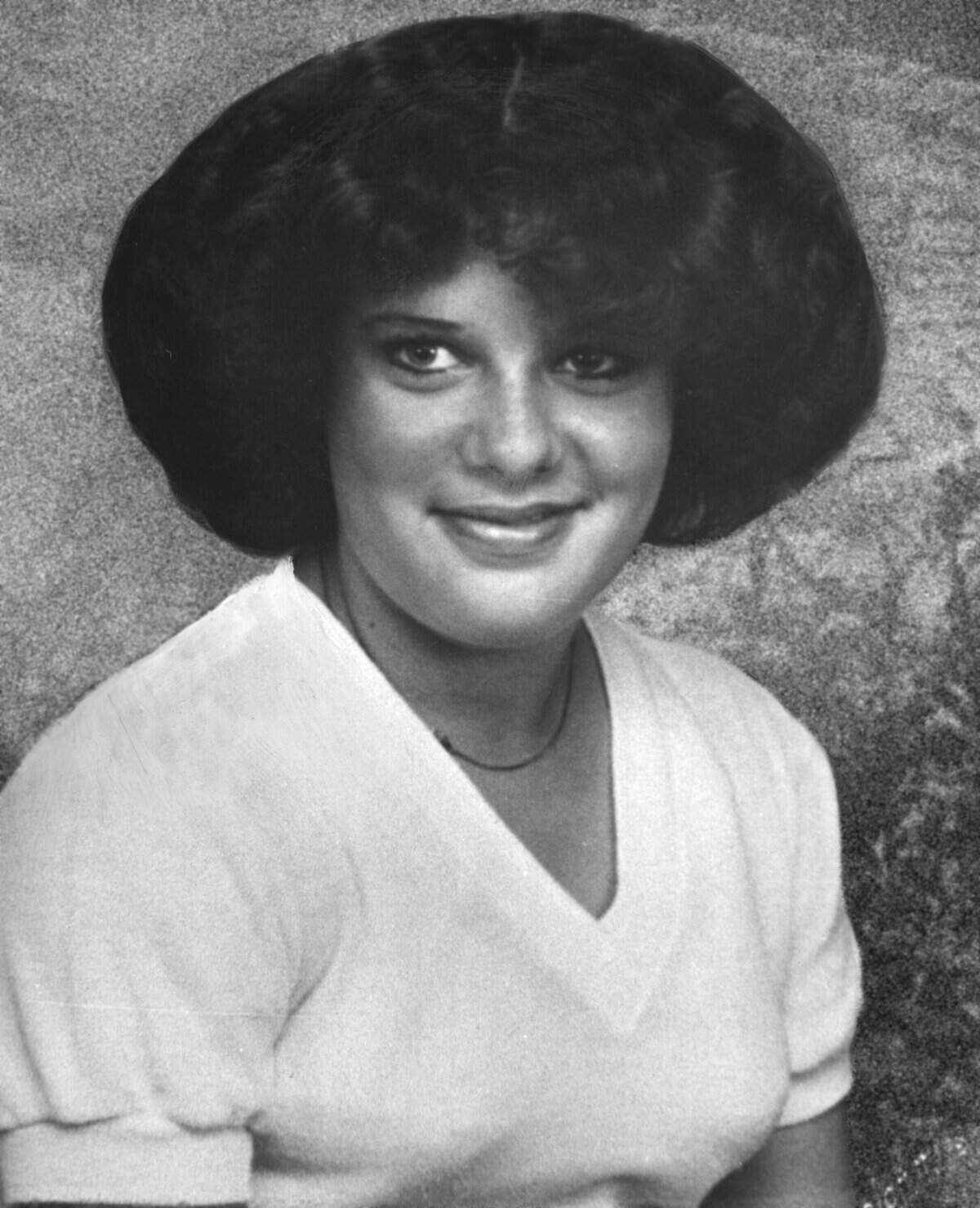
.JPG "Hi_j0055(2).JPG")
In a statement to the Star-Telegram, the Weatherford Police Department said it reopened the case in 2021 and has been working with criminal justice partners including the Attorney General’s Cold Case Investigations Task Force, the Parker County Sheriff’s Office, the Texas Rangers and the FBI. The department said the Attorney General’s Cold Case Investigations Task Force conducted a “full case review.” The department added that it has recently partnered with Texas Ranger Job Espinoza — who testified in April in the trial for Tanner Horner, the man sentenced to death for the killing of 7-year-old Athena Strand — as well as the Parker County District Attorney’s Office and DA investigators who are “currently reviewing the case.”
“Due to the active nature of the investigation, we are unable to comment on specific evidentiary items, including DNA, or any investigative leads. However, we follow up on all investigative leads and maintain strong relationships with both state and private labs experienced in cold case testing. We will continue to consult with and utilize trusted resources in our pursuit of justice,” the department wrote in its statement.
The police department noted that its statement was its most recent, from March 27. Johnetta Smith, Colliflower’s mother, told the Star-Telegram in response to the police department’s statement that she had never heard the department was working with the Texas Rangers.
“It’s a good thing if it’s believable,” Smith said. “I don’t know that I believe it ... they promise things, but it does not come true.”
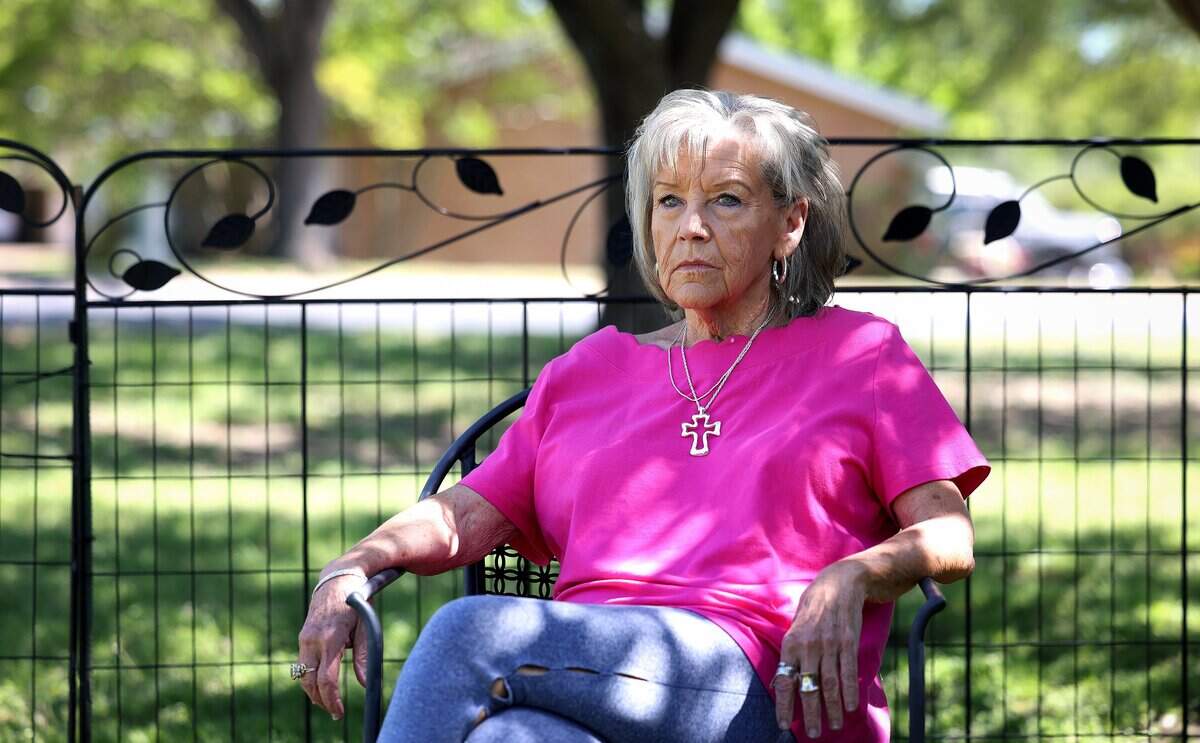
The city of Weatherford denied interview requests. A spokesperson for the city said the “mayor and council do not comment on open/active investigations.” The “open and active” description is what family, who have spent over four decades in limbo, call into question.
Raymond Tijerina, Tijerina Jr.’s uncle, said in response to the police department’s statement that he was glad “they were at least talking about.” But Tijerina said he has heard similar promises over the years from police. He said he doesn’t think the case will ever be solved, but he can’t let go of it.
“It’s a little way too late,” Tijerina told the Star-Telegram in April. “(Vincent Jr.) is already dead. His mom’s already dead. All his family’s already dead … We kind of lost hope.”
.JPG "Hi_j0054(2).JPG")
Loss of trust in city, police
Shortly after the killings, Smith, the district attorney, said people in Parker County felt “as if they could rely on police agencies.” That reliance eroded for those related to Tijerina Jr. and Colliflower each year the case remained cold. Raymond Tijerina told the Star-Telegram in April that he felt police hadn’t “moved on it” enough.
“They stole this boy from us,” Tijerina said. “He was 16 years old. How can God let something like that happen?”
Johnetta Smith told the Star-Telegram in April that police have always responded to questions about the case with, “We’re working on it.”
“I don’t know why they won’t let me see the police report and the autopsy report. It’s been 43 years … I think mayor and council know the case, and they have the power to do something,” Smith said.
Smith left Weatherford three months after the killings with her youngest daughter, Christy, who now lives near Waco. Smith seldom goes back to Weatherford. Except for March 24, when Smith, now in her 80s, went to a city council meeting asking for city officials to pressure police to release police reports and autopsy reports from the case. Raymond Tijerina made the same request; he wrote a speech that was read for him by Jamie Snow, who is part of a Facebook group demanding justice for the teens. The group was started by one of Colliflower’s cousins, Carolyn Barnard.
Smith struggled to make eye contact with those on the dais when she approached the podium to speak. Her papers quivered in her hand. As silence began to edge into her allotted three minutes, Mayor Paul Paschall leaned down and whispered something to her.
“It’s just you and me up here,” he said with a smile.
Smith talked about wondering. Years of wondering, waiting and needing. As she spoke, she showed the council a picture of her daughter at 14, boisterous and full of spunk. Smith didn’t mention the guilt she feels when she can’t look at the pictures of Shelly that hang in her living room. She didn’t tell them how the pictures “stick a knife in her heart.” She didn’t talk about the sleepless nights, the loneliness or being afraid of the dark.
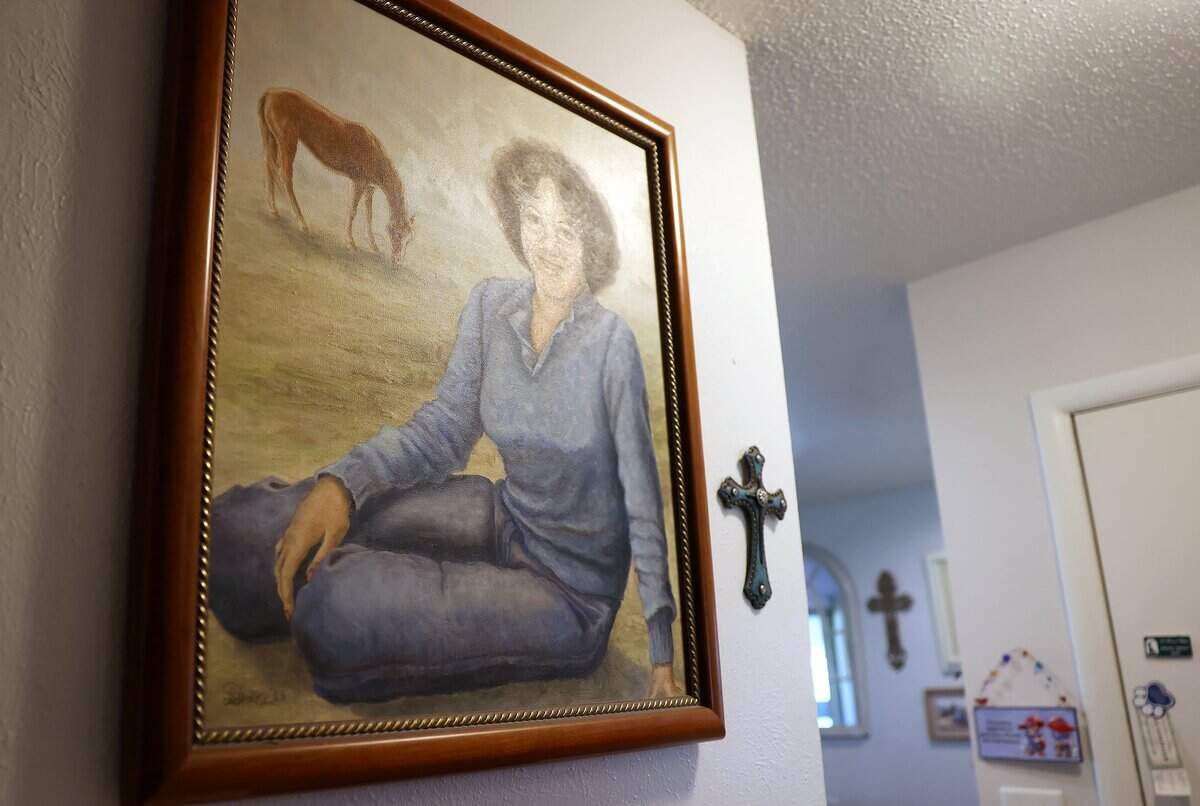
Smith and Raymond Tijerina both suggested that if Weatherford hasn’t turned up any answers in the case in 43 years, maybe fresh eyes are needed, potentially through the FBI. The council listened, with strained faces and large eyes.
“I’ve been told so many things,” Smith told the council. “I’m here to beg you .. I know someone knows something.”
Twelve days later, Smith sat in her living room in a Crowley Christian retirement community, rocking in a blue chair. She had just spent Easter, like most holidays over the years, sitting alone on the rocking chair. She said she got no response from the city council. She wasn’t surprised. Citizens, private investigators, family and media have over the years requested crime and autopsy reports related to the case from Weatherford police — only to be met with persistent denials, according to records obtained by the Star-Telegram.
Release of records repeatedly denied
The city has, in letters to the Texas Attorney General’s Office, argued that information related to the case falls in a range of categories exempt under law from disclosure. Well-known crime writer William Phelps, for example, requested police reports, autopsy reports and other files related to the case in 2024 from the Weatherford Police Department, records obtained by the Star-Telegram show.
Attorney General Ken Paxton’s Office granted the city permission to deny Phelps’ request, citing the Texas Family Code, which requires information about child abuse and neglect to be kept confidential. The city of Weatherford, in response to a request from the Star-Telegram, sent a letter to the Texas Attorney General’s Office seeking approval to deny the release of records. The letter was addressed to several other individuals seeking similar records, as well.
Tarrant County Medical Examiner Nazim Peerwani conducted the autopsies, according to reports from the time. Peerwani retired in 2021 following the discovery of dozens of mistakes in autopsies done under his direction. The Star-Telegram requested autopsy reports from the Tarrant County Medical Examiner’s Office. The office reported that the request had to be made with the Parker County Clerk. The clerk’s office told the Star-Telegram it does not have the records.
Rumors about sheriff, sheriff’s son
Weatherford — an area now surging with multi-million dollar developments — was last year named one of America’s fastest and most attractive growing suburbs. Its population spiked nearly 10,000 between 2020 and 2024 to over 39,000. But in 1983, Weatherford was a much smaller town. The double-homicide made front-page headlines for months.
Without concrete answers from the city, family members and interested citizens today remain stuck on a number of theories and details about the case. Troy Nitcholas, Colliflower’s cousin, as well as Rayomd Tijerina, alleged that there was heavy drug activity at the time in Weatherford that they think is related to the murders. Nitcholas alleged the records were not being released to “cover up” the case. He was a senior in high school when his cousin was killed.
“It honestly felt like somebody literally took something from me,” Nitcholas told the Star-Telegram in May. “Lots of questions. Why? She’s 14, and I know you hear everyone say, ‘Oh, she was just the sweetest person,’ but she was. There were rumors they were going there to pick up drugs to try them for the first time. I’m an old pot smoker. (Shelly) didn’t even want to be around the pot.”
“There’s a lot of weird [stuff] going on in this thing,” Nitcholas added. Over the years, he said, he has tried to get in contact with various state and federal agencies to help solve the case but hasn’t had any luck.
Smith told the Star-Telegram that a Weatherford detective had informed her that an anonymous love letter was left in her daughter’s bag at school the day she was killed. Smith said she was told the writer of the letter called Shelly “beautiful,” but said she had “too many boyfriends.” The writer allegedly wrote that someday he would “have her.”
A few members of the Facebook group were the subject of a defamation lawsuit in 2023 filed by former Parker County Sheriff Billy Cain and his son, Tommy Ray Cain, who now works as a bailiff in the county. The complaint shows the Cains alleged the group of citizens tried to convince “anyone who would listen” that the Cains were involved in the murder and covered it up. Billy Cain died in 2025. Tommy Ray Cain did not respond to requests for comment, and the number for his lawyer’s firm has been disconnected.
The Cains alleged that “political rancor, jealousy, evil intent, negligence, malice and ignorance” fueled by the group resulted in a “de facto electric lynch mob insisting one or both the Plaintiffs had a part in the horrific murders or a cover-up of the same,” according to the complaint. The Cains went on to accuse the group of insisting they were responsible for the murders because they would not submit their DNA to police to “prove their innocence.” The Cains sought $1 million in damages.
The group filed a countersuit full of bold accusations: The group alleged it has been “rumor or suggestion for 40 years” that the Cains have had knowledge of the murders, “or may have even participated in them,” the countersuit states. The group claimed the Cains filed their lawsuit “in an attempt to silence, harass and threaten” the group and “intimidate them and others in an effort to shut down their push to seek justice” for the victims, the countersuit states. The group pushed to start the exchange of evidence and witness lists ahead of a trial, saying they could prove the Cains had “repeatedly been asked to simply submit to a DNA test,” according to the countersuit.
“Counter Plaintiffs would show that in the 40 years since the murders occurred, the rumors, speculation, innuendo, witness statements, and evidence all point to a cover-up and reach the level of public corruption in Parker County, Texas,” the countersuit stated.
Both cases were dismissed.
Smith said she felt the police botched parts of the investigation. She alleged they contaminated the crime scene, gave the car back to Tijerina’s family too quickly, didn’t check clothes for DNA and lost Colliflower’s finger nail clippings for decades before the evidence turned up again.
“I just feel like they were forgotten about,” Smith said.
Tijerina Jr.’s family had only recently moved to the area from Brownwood seeking a safer life. Weatherford at the time, Raymond Tijerina noted, wasn’t as racist as other places Tijerina Jr. and his family had been. Weatherford wasn’t great though, either. Smith recalled her husband at the time, Ronnie Colliflower, would scold Shelly for tying up the phone talking to Tijerina Jr. — whom Ronnie Colliflower called “that damn Mexican.”
But Smith liked Tijerina Jr. She remembered he came around the Colliflowers’ house one time and saw her pull enchiladas out of the oven for supper. They apparently didn’t look too appetizing.
“He was there, and he goes, ‘I have got to teach you how to make enchiladas,’” Smith recalled with a smile. “He was a good boy. A great kid.”
Teens met through Future Farmers of America
It was animals that brought Tijerina Jr. and Colliflower together. The pair met at a Future Farmers of America meeting; Colliflower had Dancer, her horse, and Tijerina Jr. was raising four Brahman cows. The night they were killed was the first time Colliflower got in the car with Tijerina, according to her mother.
Smith remembers her daughter as being larger than life. She got along with everybody. She loved her radio and wanted to go to cosmetology school one day.
“She always had that hair done, that makeup done,” Smith said. “She would have been wonderful.”
Raymond Tijerina said his nephew was a hardworking and kind kid. When his father was discharged from the Navy due to a disability, Tijerina Jr. mowed lawns to help his family cover groceries. He built his little sisters a dollhouse.
While Smith’s daughter was an outgoing girl “who loved everybody,” she chose her company carefully, Smith said. Colliflower’s “breathing buddy” — as Smith calls her — was a girl named Jody. Smith’s memories of the inseparable pair are a blur of giggles and teenage girl high jinks. They were an off-key duo that would sometimes annoy Smith as they sat on the back of a pickup truck kicking their legs and singing John Anderson’s “Swingin’” over and over again.
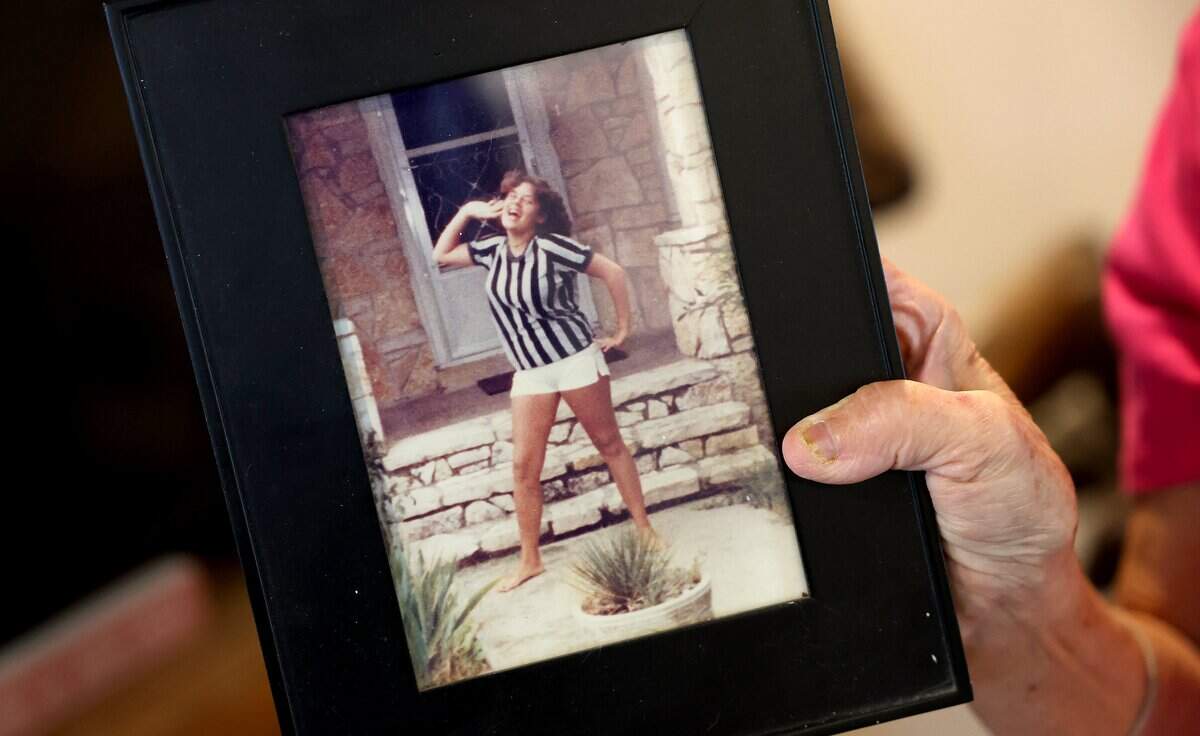
One night in 1983, the two smothered Smith’s kitchen in corn kernels. Smith had asked the girls to help shuck corn before supper, but they were no help. They flung bits on each other through shrieks and giggles. The memory prompted a smile. After a moment, it left Smith’s face.
“I can hear them laugh,” Smith said. “What’s crazy is the things that will trigger you, like corn, the dark. I just can’t imagine how afraid she was. I would go and just sit in the dark, and I don’t know whether I felt like it was my punishment or what, but I would sit in the dark and cry because I know she was so scared.”