Does Fort Worth enforce neighborhood speed limits? Here’s what to know
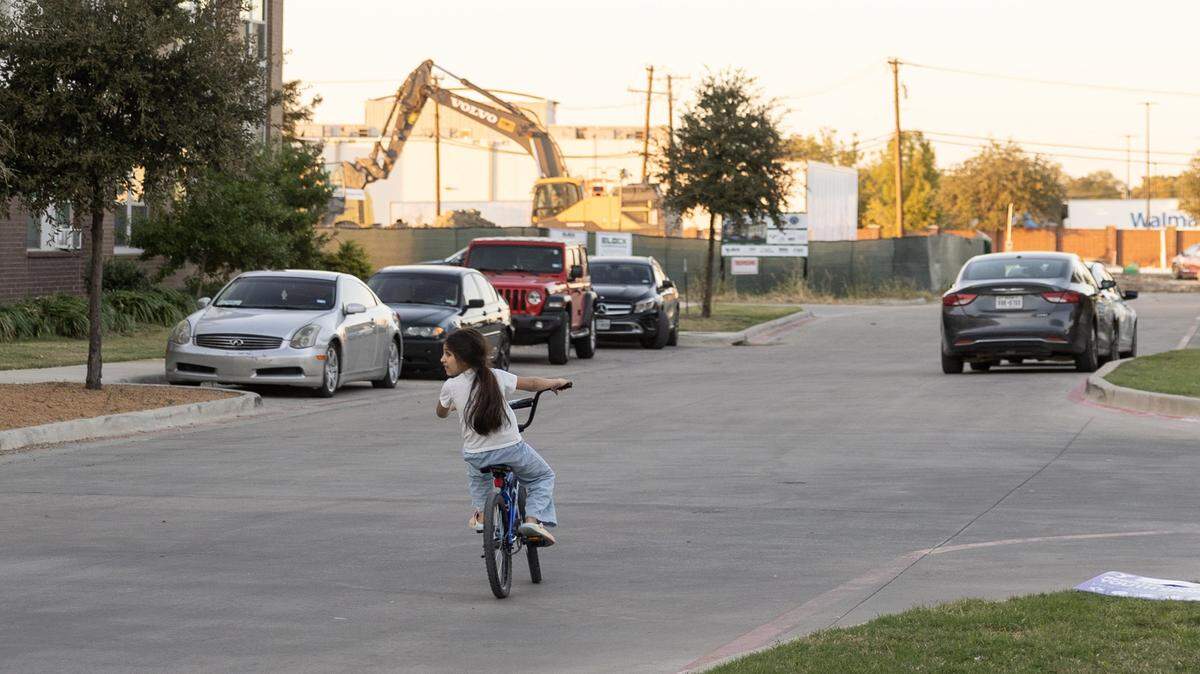
If you live on a busy Fort Worth neighborhood street, you have probably seen cars zip past a little faster than you would like.
Maybe it feels like the speeds have crept up over the years, or maybe you just want safer conditions for kids, pets, or anyone walking outside.
That’s a common concern in growing neighborhoods, and the City of Fort Worth does have a process for dealing with speeding on local streets.
It starts with understanding what the speed limit is supposed to be and what options you actually have to calm traffic.
Here’s what to know.
What is the speed limit in Fort Worth neighborhoods?
The Texas Transportation Code sets the maximum speed limit for streets in an urban district at 30 mph, unless signs say otherwise.
Cities can change speed limits only after completing an engineering and traffic investigation, the Texas Municipal League notes.
The Texas Transportation Code also says a city may not establish a speed limit higher than 60 mph.
In other words, if you are on a residential street without a sign, assume 30 mph.
What can I do if people are driving too fast?
According to the City of Fort Worth, you can report speeding concerns through the MyFortWorth App or the city call center at -817-392-1234.
Temporary yard signs, such as “Slow Down” or “Neighborhood Watch,” can also raise awareness.
You can contact your City Council member to share concerns or request support for a neighborhood solution.
These tools don’t physically slow cars, but they can help draw attention to a pattern of unsafe driving.
Does Fort Worth have a process to request speed humps?
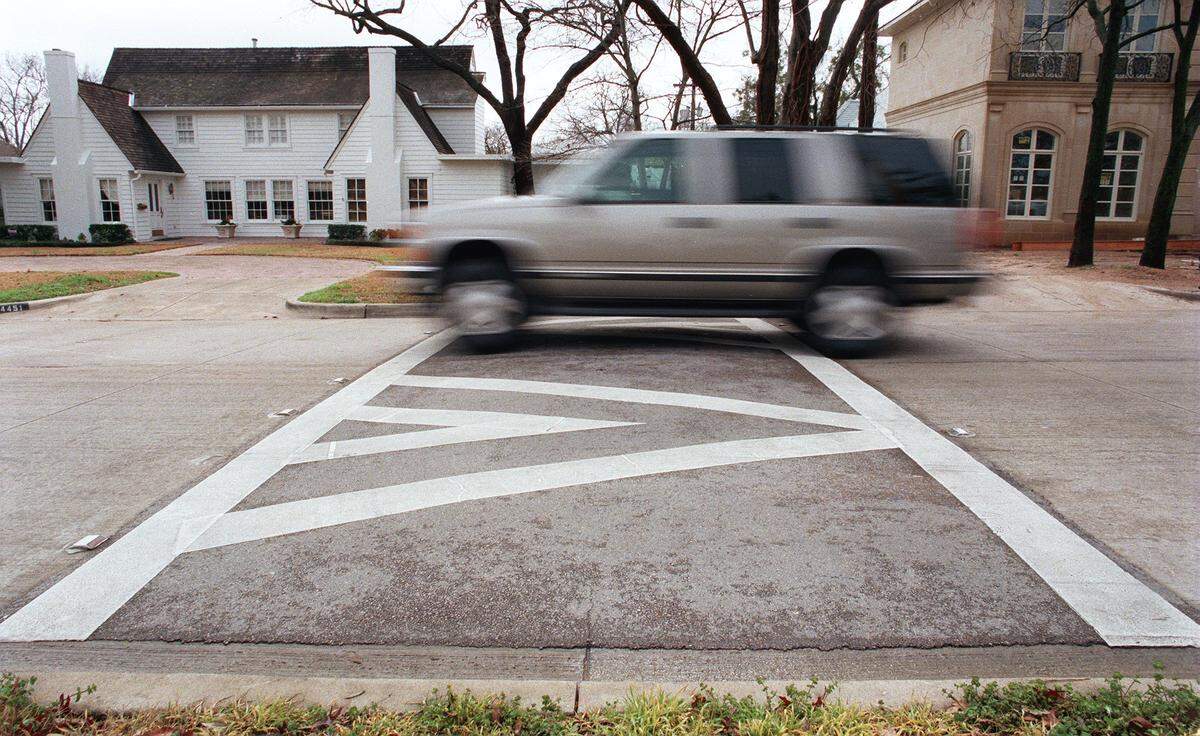
Yes. Fort Worth has a formal Neighborhood Traffic Calming Program, but not every street qualifies for “speed cushions.”
According to the city, a roadway must meet several conditions before it can be considered.
It must:
- Be a local residential street,
- Be owned by the City of Fort Worth,
- Have a posted speed limit of 35 mph or less,
- Be no more than two lanes wide,
- Carry fewer than 4,000 vehicles per day,
- Not appear on the City’s Master Thoroughfare Plan.
After a request is submitted, the city says it will notify the resident within 90 business days to confirm whether the street is eligible and whether it will be included in the annual scoring process.
The request will then move through several steps. According to the program outline, the process includes data collection, a review of traffic conditions, and an assessment of whether measures such as speed cushions or speed humps are appropriate.
Neighborhood support is also part of the decision. The city notes that many applications require signatures from two thirds of property owners on the street.
“Each submitted location’s eligibility and/or scoring will be posted on the traffic calming webpage in March. Eligible roadways that are not selected for implementation will be returned to the rolling list of requests and will be re-ranked annually,” the city website says.