
A Granbury dad shares his journey from youth offender to actor and author
It’s been said that everyone has a story, at least one book in them. Some stories are just a little better than others, and some have the potential to make more of an impact.
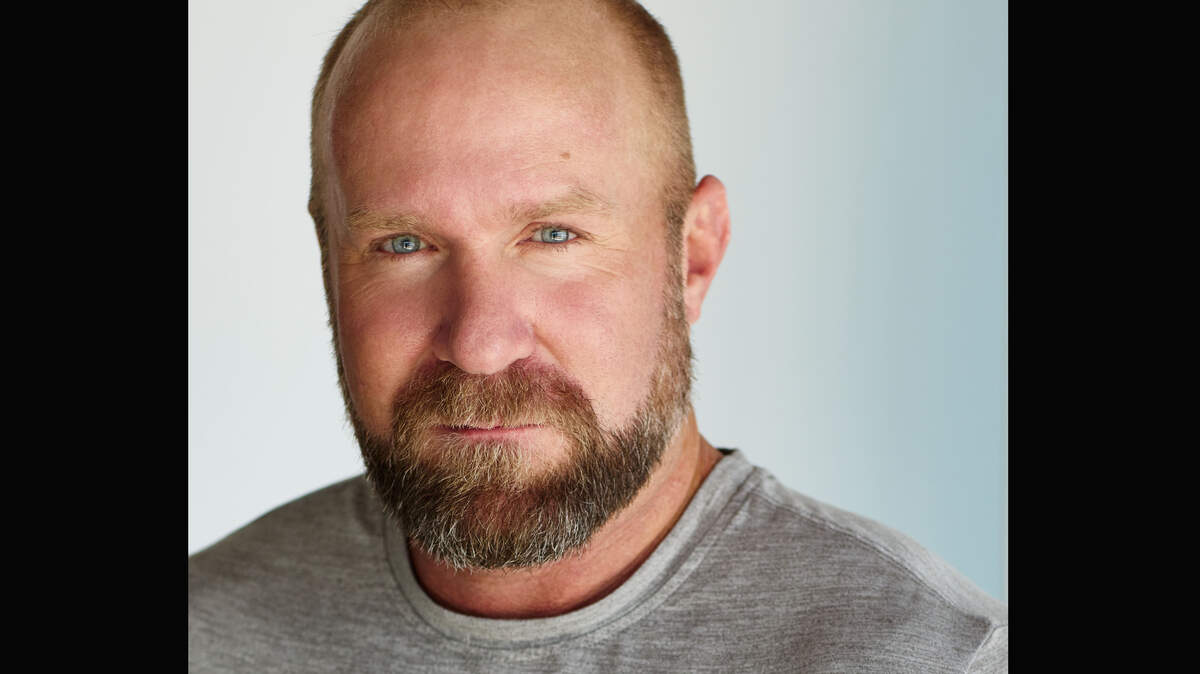
J.D. Leach has one of those stories, though you might not think it from afar. By outward appearances, Leach is your average guy. He’s a married Granbury-area dad in his 40s with a couple of kids and a good job in sales for an oil and gas products and services company.
But Leach is also a working actor, having appeared in commercials, a couple of feature films and a recent episode of “The Lioness” starring Nicole Kidman and Zoe Saldaña. And now, Leach is a published author with the release of his new book, “Behind Closed Eyes: The Echoes from Texas Juvenile Prison,” about his years in the juvenile justice system.
Looking at his upbringing, Leach said, you’d never guess he was destined to dabble in crime as a kid.
“I come from a pretty decent background,” said Leach. Both his parents had solid careers, and it was an overall supportive household.
That changed, though, after his parents got divorced, Leach said. His mom stayed in Wyoming where he’d been living, and his dad moved with Leach to Andrews, Texas, north of the Midland-Odessa area.
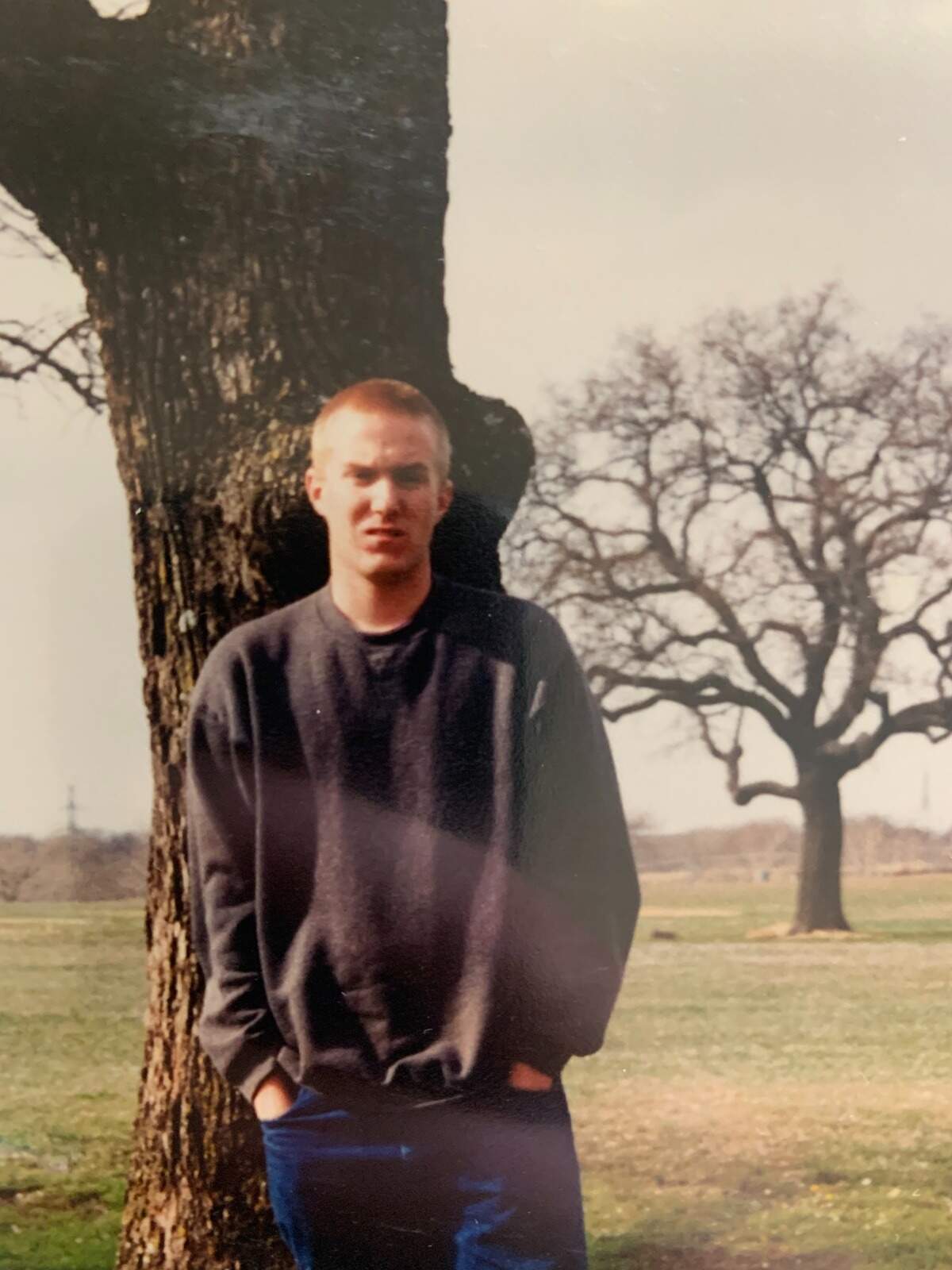
In Andrews, Leach’s dad was working and wasn’t around as much, and Leach fell in with a bad crowd. At 15, he stole a car and went on the run, winding up in New Mexico. Over the course of three weeks, Leach evaded authorities and ended up stealing a second car. After returning to Texas, he was finally caught, which, Leach said, came as a relief. But he had no clue about the turn his life was about to take when he entered the juvenile justice system.
“It was an eye-opening experience, everything about it,” Leach said.
Over the next three years, Leach was shuffled around from a boot camp in the Panhandle to facilities in Marlin, Gainesville, Roanoke and West.
Most of those facilities, Leach said, were rife with abuse, perpetrated by those who were incarcerated as well as by the guards and staff. And the trauma began right off the bat at the boot camp, where Leach was first housed.
“The initial stage was called ‘shock incarceration treatment,’” Leach said. He described staff members operating like military drill instructors depriving the young inmates of sleep and forcing them to march naked.
“The thought process is that they’re tearing you down and rebuilding you, but there’s little rebuilding,” said Leach.
After being locked up for the car thefts, Leach got out on probation but he soon found himself in trouble again when friends he was with burgled a home. That’s when Leach became a ward of the Texas Youth Commission, or TYC (now the Texas Juvenile Justice Department).
“You’re adopted by the state of Texas,” Leach said. “They give you a number, and you’re theirs.”
Leach’s first stop as a repeat offender was the Marlin Orientation and Assessment Unit near Waco. There, Leach joined kids from across Texas, many of whom were violent offenders.
In his book, Leach details some of the horrors he witnessed, from nearly nonstop fighting among inmates to the physical and sexual abuse he said some suffered at the hands of Texas Youth Commission staff.
In 2006, shortly before the facility closed, the Texas branch of the American Civil Liberties Union reported that abuse was rampant at the Marlin unit, where youth offenders enter the state justice system.
The Marlin unit was bad, Leach said, but so was the Gainesville State School where he spent time, which was nicknamed “the Gladiator Dorm” because of its reputation for violence.
Leach said he made it through his time inside relatively unscathed, at least compared to so many others, because he learned to keep his head down and his mouth shut. It also helped that he was a bigger kid, so he wasn’t an easy target. Many weren’t so lucky, though.
Some of what Leach saw was enough to scar even the most hardened criminal, and Leach was anything but.
“I was just a dumb, misled, hurt, scared kid,” Leach said.
A letter from a friend while he was at the now-closed McFadden Ranch facility in Denton County was the impetus for Leach to turn his life around, he said. After serving time from the ages of 15 to 18, Leach was released in 1998, though his difficulties weren’t quite over.
It took Leach time to adjust to living on the outside of a correctional facility. Initially, he resented having to take orders from a boss at work, and he had few life skills owing to spending those formative years in such a structured environment.
Seeking a new start, Leach moved in with his mom in Wyoming. It was during that time that he was discovered by a talent agent and began pursuing acting work. A couple of years later, he put that behind him, or so he thought, and returned to Texas to get a job, get married and start a family.
But when Leach’s daughter got involved in theater, Leach found himself drawn back into acting. His re-entry was in a short film called “The Crimson,” in which he played a Roman soldier who took part in Jesus’ crucifixion, a role Leach reprises annually during the Easter season here locally.
As for what spurred him to write the book, Leach said he’d had the idea in his head for about 15 years, but he wasn’t comfortable putting his past out there in print. With encouragement from his late mother, Leach decided to record his experiences so they might help his own kids, as well as other young people who might be headed down the wrong path or in the justice system already.
Since its release Nov. 17, the book has sold more than 100 copies, Leach said, and several of its readers have reached out to Leach to tell him how his story touched them. Leach even heard from retired juvenile probation officer Jack Gregg, who Leach described as one of the few bright lights during his time in the system. Gregg helped mentor him when he desperately needed guidance.
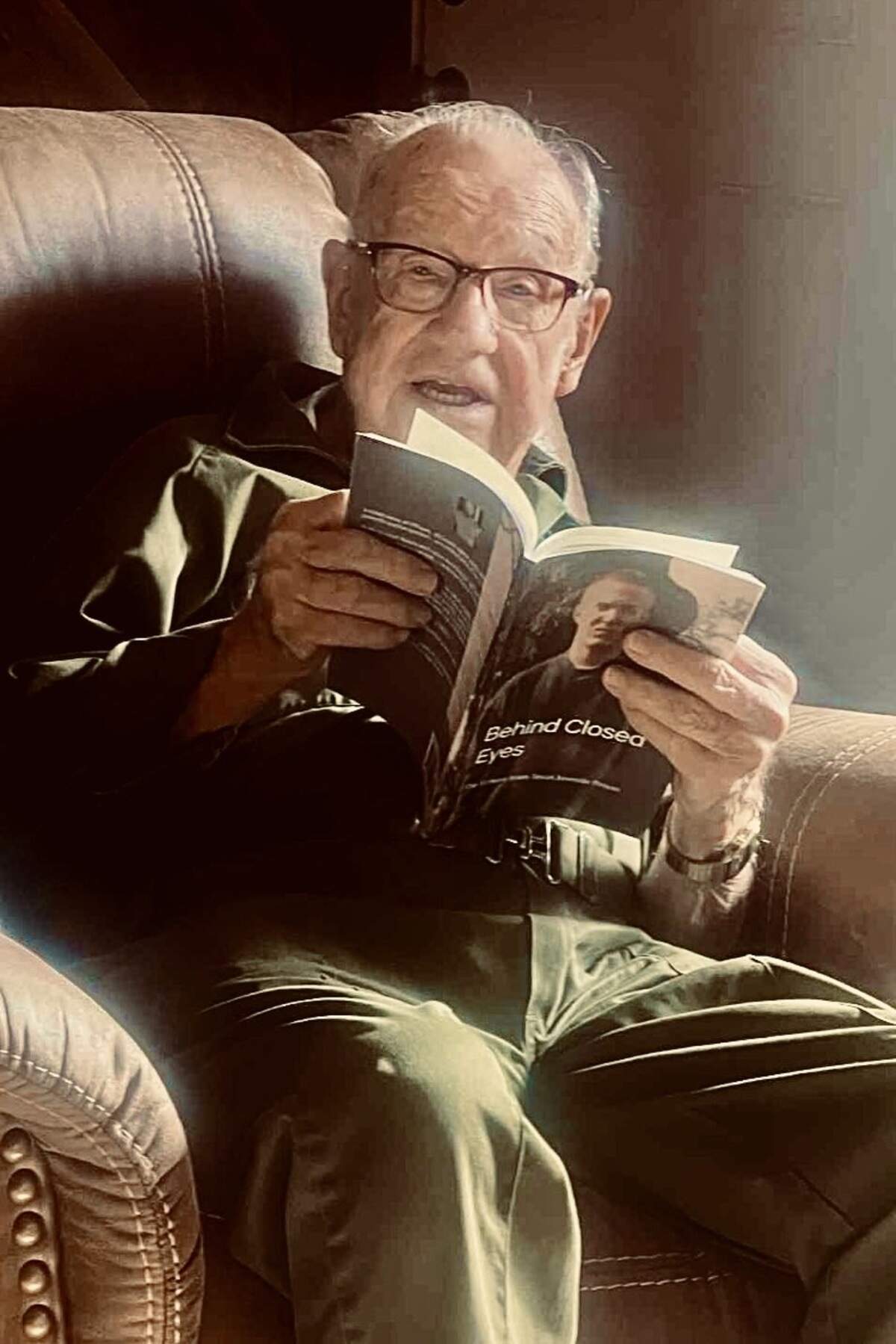
Leach’s message in the book is that you can’t let your mistakes define you, especially as a kid. So many youth offenders enter the system and never leave, Leach said. He saw that with young men he served time with, and Leach blames the system for that.
“The thing a lot of these kids need is hope. When you go into TYC, one of these facilities, there is none.”
Leach believes he went on to defy the odds and lead a successful life despite the justice system, not because of it. And he wants others to know they too can succeed, but you have to be committed, and you have to choose to make the right decisions even when it’s not easy.
On the last page of the book, Leach sums up his philosophy under the heading of “What I Know Now.”
“The system didn’t define me. It forged me. It taught me the extremes of survival, and through that, I learned the extremes of resilience. I learned empathy. I learned awareness. I learned strength of a different kind — not the kind measured in pushups or fights, but the kind measured in who you become afterward.”
“Behind Closed Eyes: The Echoes from Texas Juvenile Prison” is available from Amazon in hardcover and paperback.
This story was originally published November 30, 2025 at 4:00 AM.