The ‘gold standard’ therapy program to keep troubled kids out of jail is now in Tarrant Co.
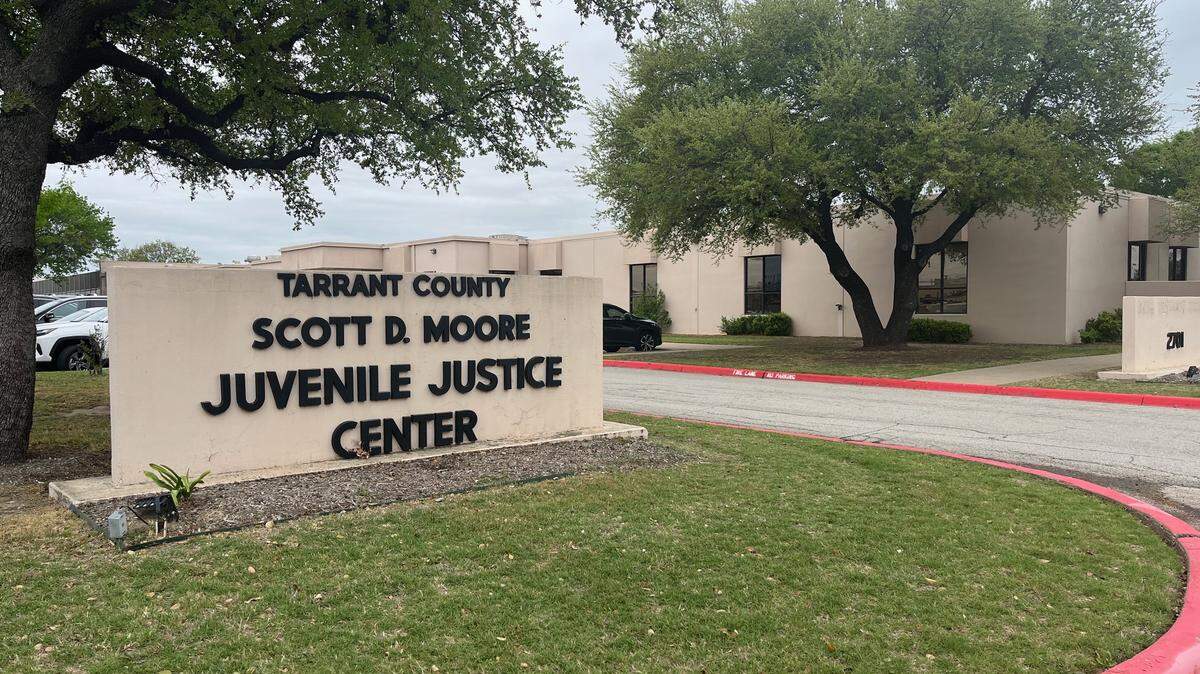
A new therapy program for young people who have contact with the juvenile justice system has gained popularity throughout Texas and has landed in Tarrant County.
Tarrant County approved a contract on March 11 for My Health My Resources of Tarrant County to conduct Multisystemic Therapy. The contract term is for five months beginning April 1 at a total cost of $195,752.
Multisystemic Therapy is a family- and community-based treatment for young people who have committed violent offenses, have serious mental health or substance use concerns, are at risk of out-of-home placement, or who have experienced abuse and neglect.
The program will be available for children aged 12 to 17 who are at moderate to high risk of re-offending. Participants will be referred by Tarrant County Juvenile Services to My Health My Resources of Tarrant County.
The program replaces the Tarrant County Juvenile Services Resource for Advancing Children’s Mental Health Program. Multisystemic Therapy is better suited to address the complexities of delinquent behaviors, according to the Tarrant County Juvenile Board agenda. The program will provide a “higher level of service and intervention,” according to the agenda.
Bernice Mack, deputy assistant director of Community Probation Services for Tarrant County Juvenile Services, says Multisystemic Therapy is the gold standard intervention program for chronic delinquency.
Proven rehabilitation
“I really believe that it’s our obligation to bring the best programs to youth, the ones that are proven to work, so that they may have a real chance at rehabilitation, rather than being set up for just a lifetime of system involvement,” Mack said.
The program works by addressing not just the symptoms, but the root causes of delinquent behavior in young people. Program professionals or therapists will work with young people and their families to develop strategies that promote positive behavior and reduce the likelihood of re-offending. Young people and their families will meet with their therapists two to four times a week, and therapists will be available 24 hours a day, seven days a week.
The Meadows Mental Health Policy Institute, a think tank focused on mental health systems across the country, estimates that 350,000 children in Texas experience severe mental health needs each year. The organization also estimated in 2020 that 20,000 children ages 6 to 17 in Texas either were currently in or were at very high risk for out-of-home or out-of-school placement because of their mental health needs.
“It’s about the people in Texas understanding that mental illness is an illness of childhood and that we need to get ahead of the curve through early identification and earlier treatment,” said Nelson Jarrin, senior vice president of state policy at Meadows Mental Health Policy Institute.
Expanded use of therapy program in Texas
Until 2022, only Harris County, El Paso County and Nueces County had Multisystemic Therapy, funded primarily through juvenile justice programs. As mental health concerns for youth have increased through the years, the Texas legislature took steps to expand Multisystemic Therapy.
In June 2022, the legislature provided $4.725 million to the Health and Human Services Commission, which oversees state programs and healthcare services in the state, to expand Multisystemic Therapy to seven teams. In 2023, the legislature approved $21 million to add 15 Multisystemic Therapy teams, with Tarrant County receiving two, and to expand the program to over 30 counties in Texas.
There have been over 60 studies and 140 peer reviewed journal articles on the method of treatment, according to MST Services, the company that provides the program that My Health My Resources will implement.
Of the 400 young people who completed treatment since the program began in Texas in early 2023 through Jan. 31, 2025: 83 percent live at home, 85 percent are in school or working, and 88 percent had no new arrests, according to MST Services.
Susan Garnett, CEO of My Health My Resources of Tarrant County, says the expansion of Multisystemic Therapy teams in Texas and Tarrant County indicate the program has positive results for young people and their families.
“Our juvenile justice system doesn’t want more clients,” Garnett said. “Our juvenile justice system wants to reduce youth contact with the justice system, so it’s really beneficial all the way around.”