
Cry fowl! Noisy egrets bringing a smelly mess to Fort Worth area neighborhoods
Long ago, the vulture was believed to signal impending doom. In modern-day Tarrant and Johnson counties, it’s the cattle egret we dread.
Over the past 60 years, the eastern half of Texas has become a popular nesting ground for cattle egrets, which can grow to nearly 2 feet in height with a roughly 3-foot wingspan. The trouble begins when these birds come to urban and residential areas and establish rookeries — nesting colonies — inhabited by hundreds, if not thousands, of adult egrets and their young. What follows can resemble a Hitchcockian nightmare of noise and feces.
Egrets typically create rookeries in February or March, after which waves of birds will arrive, laying eggs and raising chicks until mid-September or October. Last year, more than 100 egrets formed a rookery in the Shady Oaks neighborhood in northwest Burleson. According to Burleson Community Services Director DeAnna Phillips, these birds were largely concentrated on one homeowner’s property, where they ended up damaging trees, lawn and landscaping, primarily due to the large amount of excrement.
Hoping to avoid a repeat, the city of Burleson has embarked upon a public information campaign urging residents to be vigilant for signs of egrets and to notify Burleson Animal Services if any are spotted. But Burleson is hardly alone.
“It’s something we deal with every year,” said Christopher Lirette, code compliance superintendent for the city of Fort Worth.
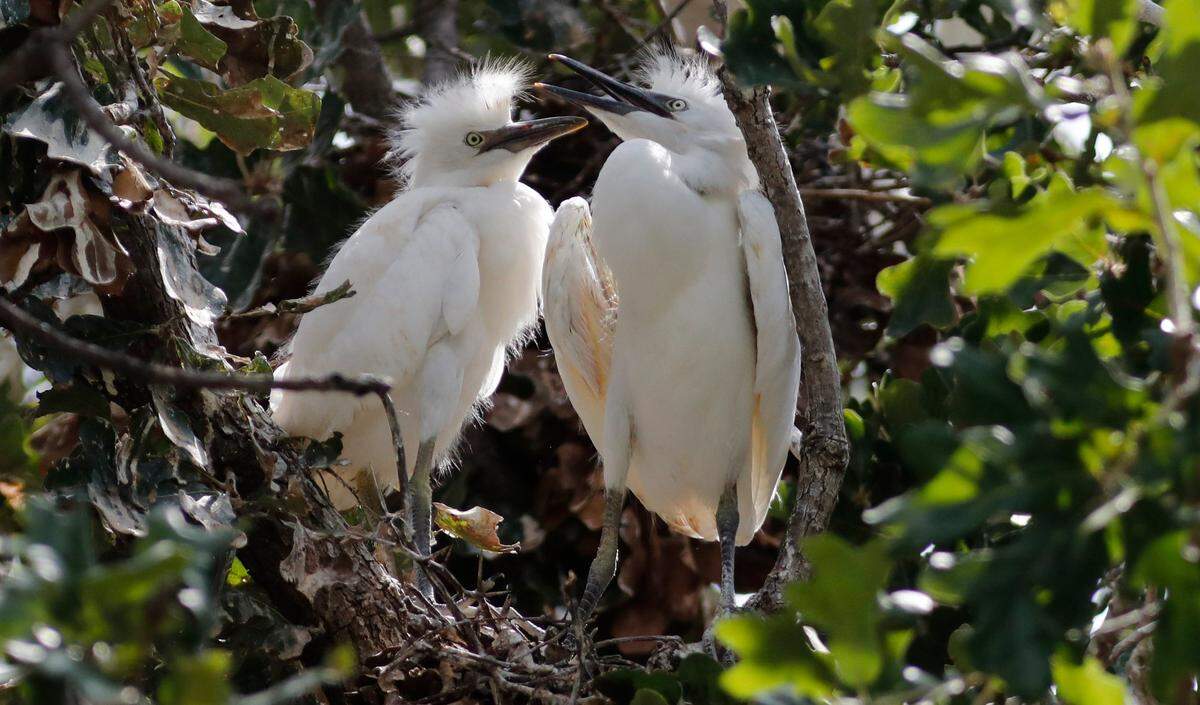
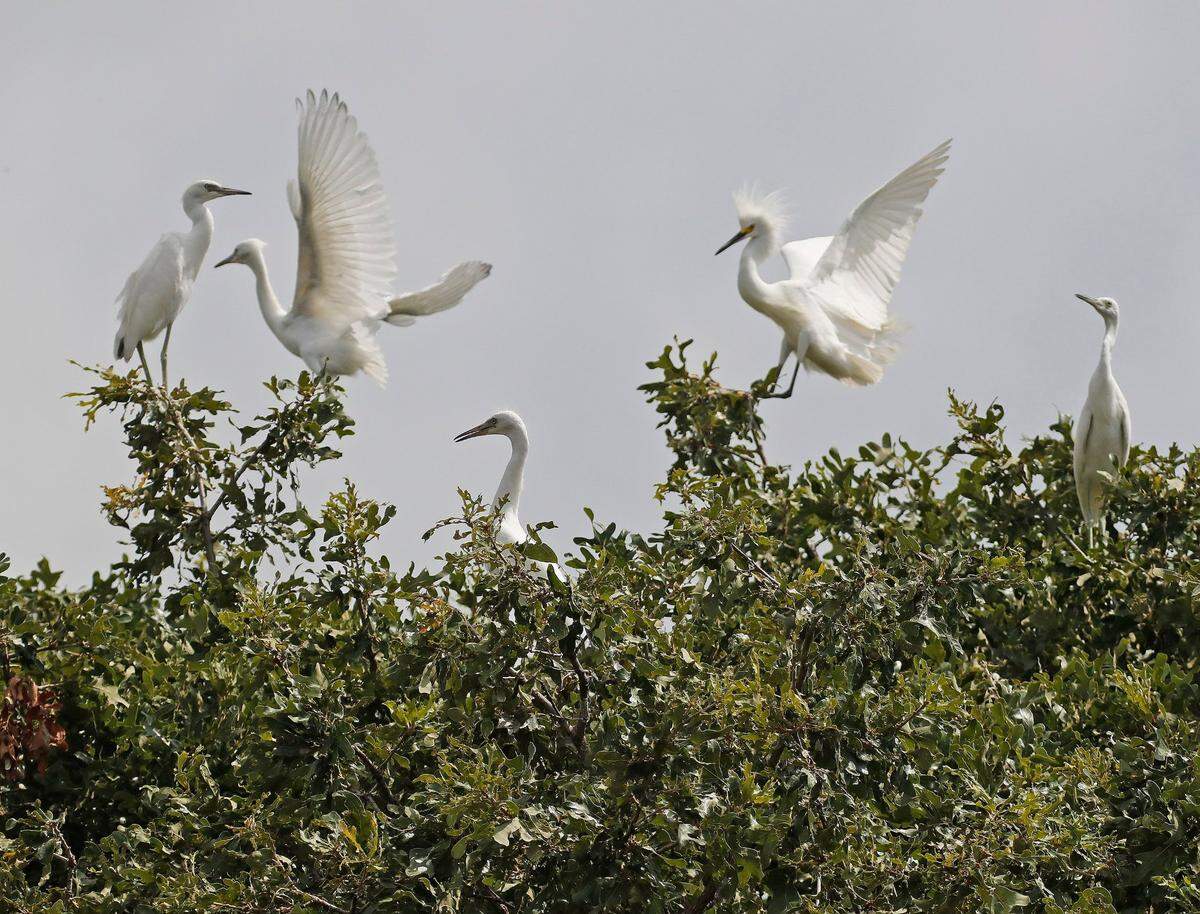
He mentioned the Stone Meadow and Meadows of Candleridge neighborhoods on the south side and the Park Glen and Sterling Creek neighborhoods on the north side as having been impacted by egrets in recent years, and he said the extent of the damage these birds can cause would surprise people.
“We’ve seen citizens have to tear up their whole yard,” said Lirette, adding that the damage can also extend to structural components like roofs and gutters.
“The birds like to fish,” Lirette said. “They bring the fish back to their nests to feed the young, and you end up with parts of fish on your roof and in your yard, and the smell can be terrible.”
Like his counterparts in Burleson, Lirette wants Fort Worth residents to report cattle egret sightings, as well as sightings of yellow-crowned herons, snowy egrets, little blue herons and great blue herons, all of which can cause the same kinds of headaches as cattle egrets.
“People start seeing them, and they think it’s cute,” said Lirette. “The problem is when they nest. The birds like to fly in around dusk. If they don’t get disturbed, they’ll start nesting. I tell people if they see birds flying down into the yard and picking up twigs and things, they’re up to something.”
What proactive steps can residents take?
Since cattle egrets are protected by the Migratory Bird Treaty Act of 1918, killing, capturing or forcibly removing them is prohibited, but it is legal to harass the birds using things like air horns and visual deterrents such as “scare eye” balloons and reflective tape in trees. The harassment must stop, however, once the egrets have settled into nests for the season and lay eggs.
Adam Henry, a Fort Worth-based urban biologist with the U.S. Department of Agriculture, said cattle egrets are attracted to neighborhoods with 30- to 40-foot-tall mature trees and a dense limb canopy. Because of that, he advises tree trimming as a first line of defense against egrets.
“Arborists recommend you trim trees to a 70% canopy, trimming away 30%,” said Henry. “Don’t just trim around the bottom of the trunk; go all the way up and thin the trees out.”
Tree trimming can be expensive, so Henry suggests neighbors band together and share the cost. Even if it’s pricey, it’s money well spent in Henry’s experience.
It’s especially important for residents in areas previously affected by cattle egrets to double down on their efforts, since the birds will often return to the same nesting places. In addition to trimming back tree canopies, those who have dealt with egrets in the past should also remove remnants of abandoned nests to discourage resettlement.
Christopher Lirette said his team will be out in force in the coming days handing out flyers and reminding people to be on the lookout for egrets and their migratory bird cousins.
“If [a rookery] is over your house, over your backyard, over your driveway, your whole summer’s done,” he warned.
This story was originally published January 22, 2025 at 6:00 AM.