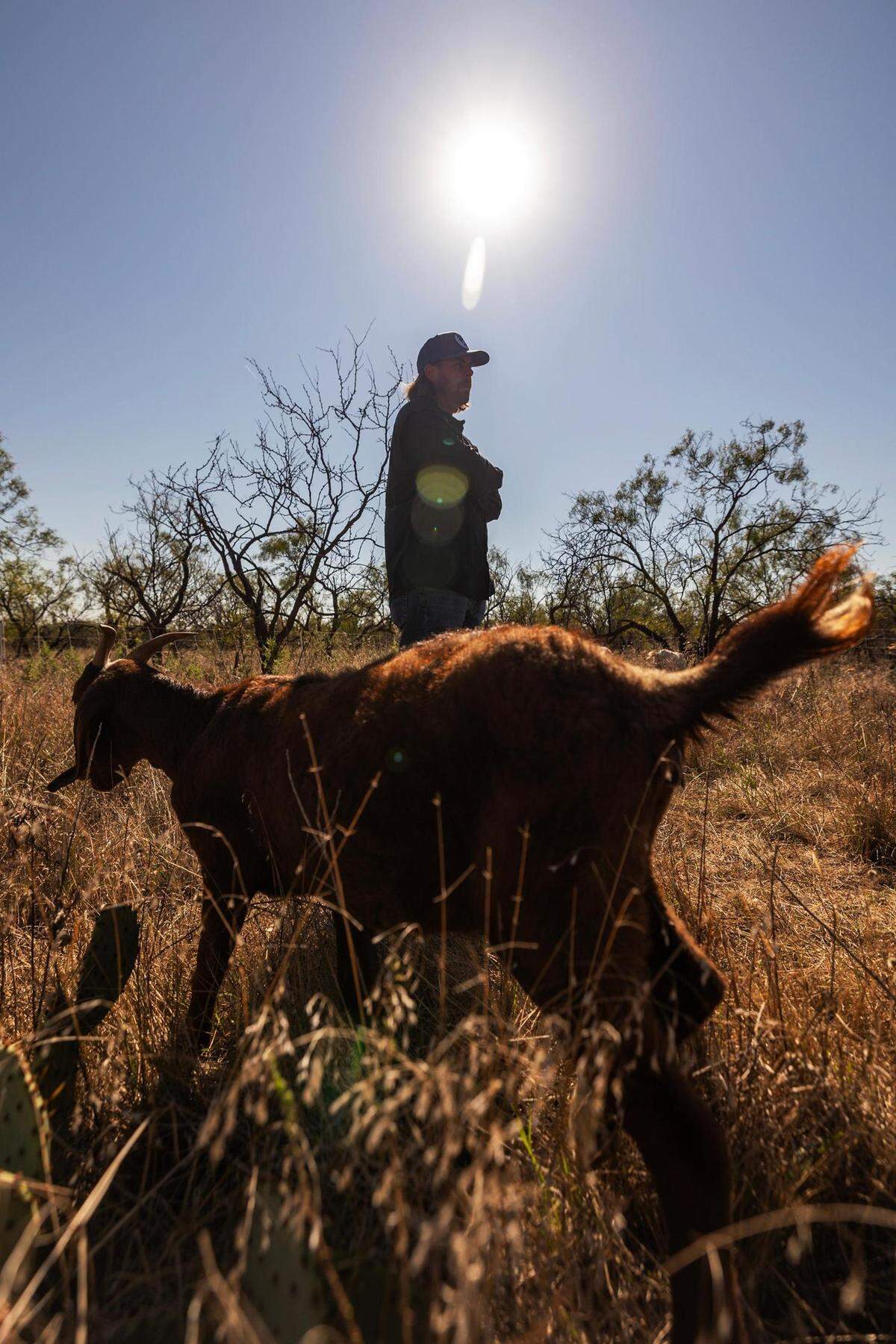
‘Their job is to eat.’ These rugged creatures clear the brush that fuels Texas’ wildfires
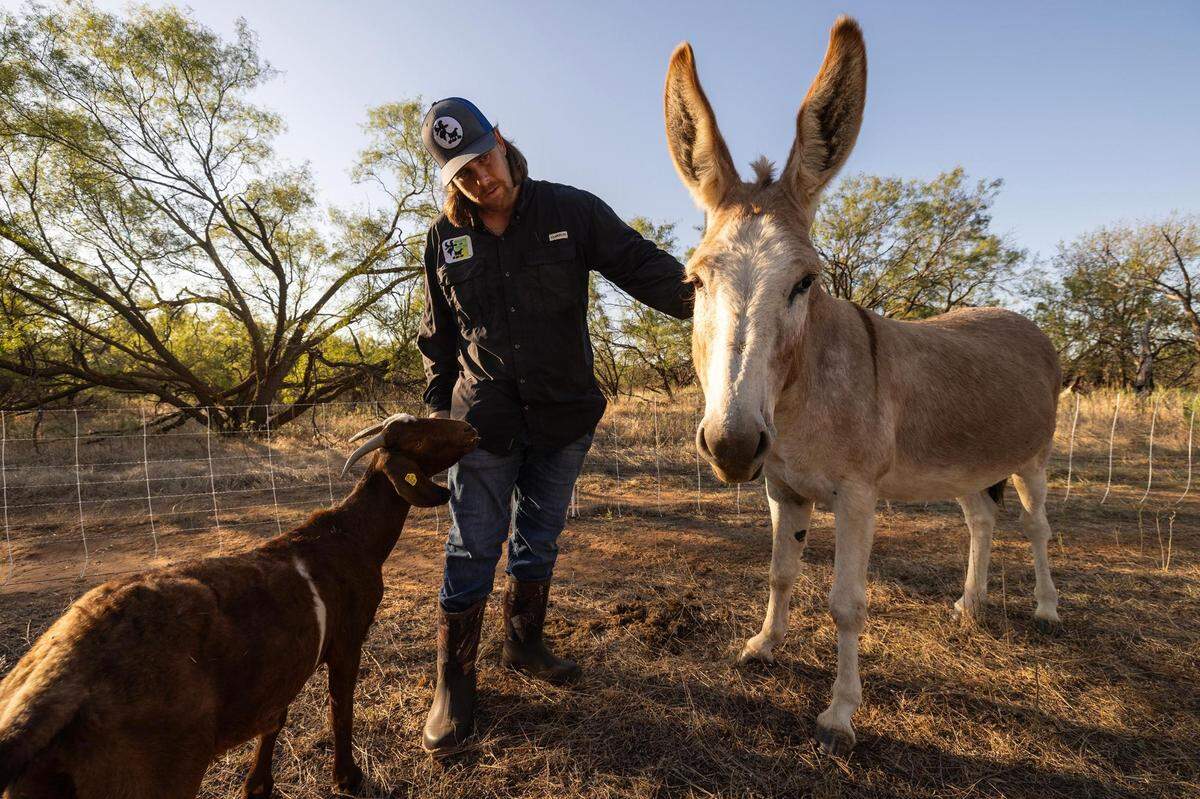
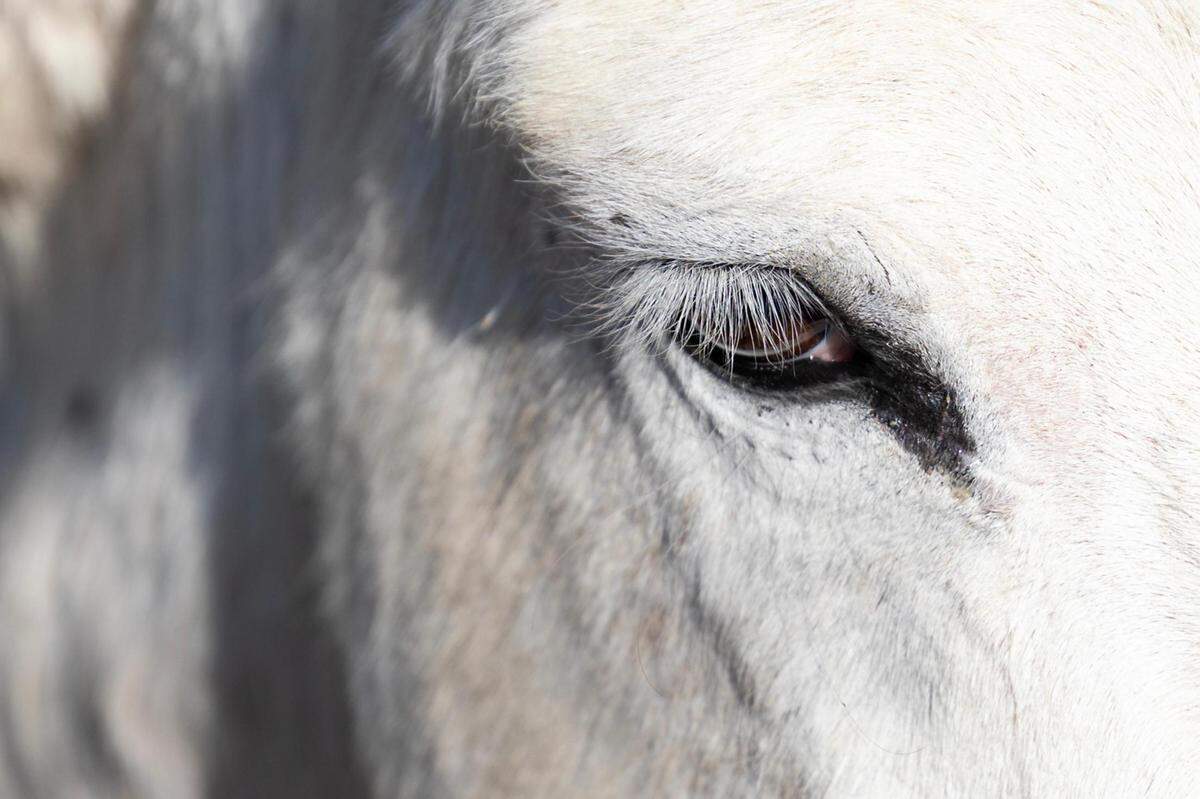
Wynonna is not your typical firefighter.
While firefighters use water to put out fires, she uses her appetite and her four-chamber stomach to get the job done.
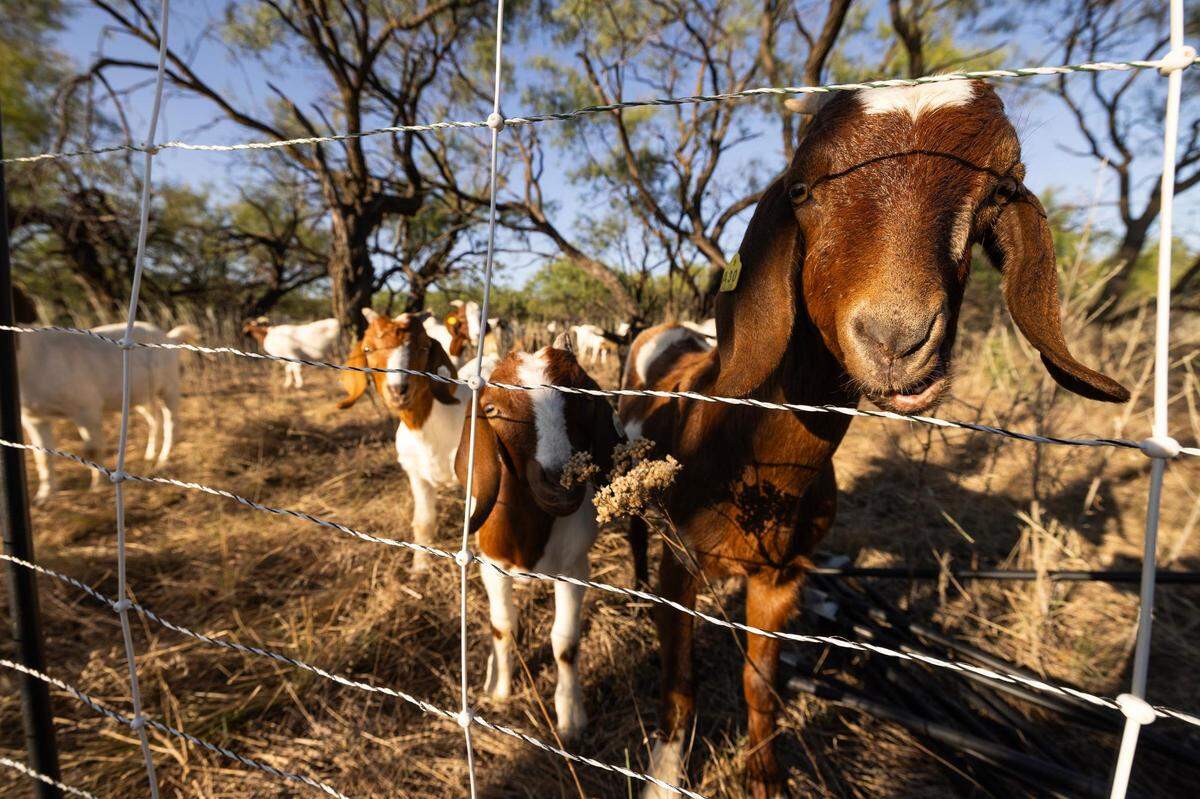
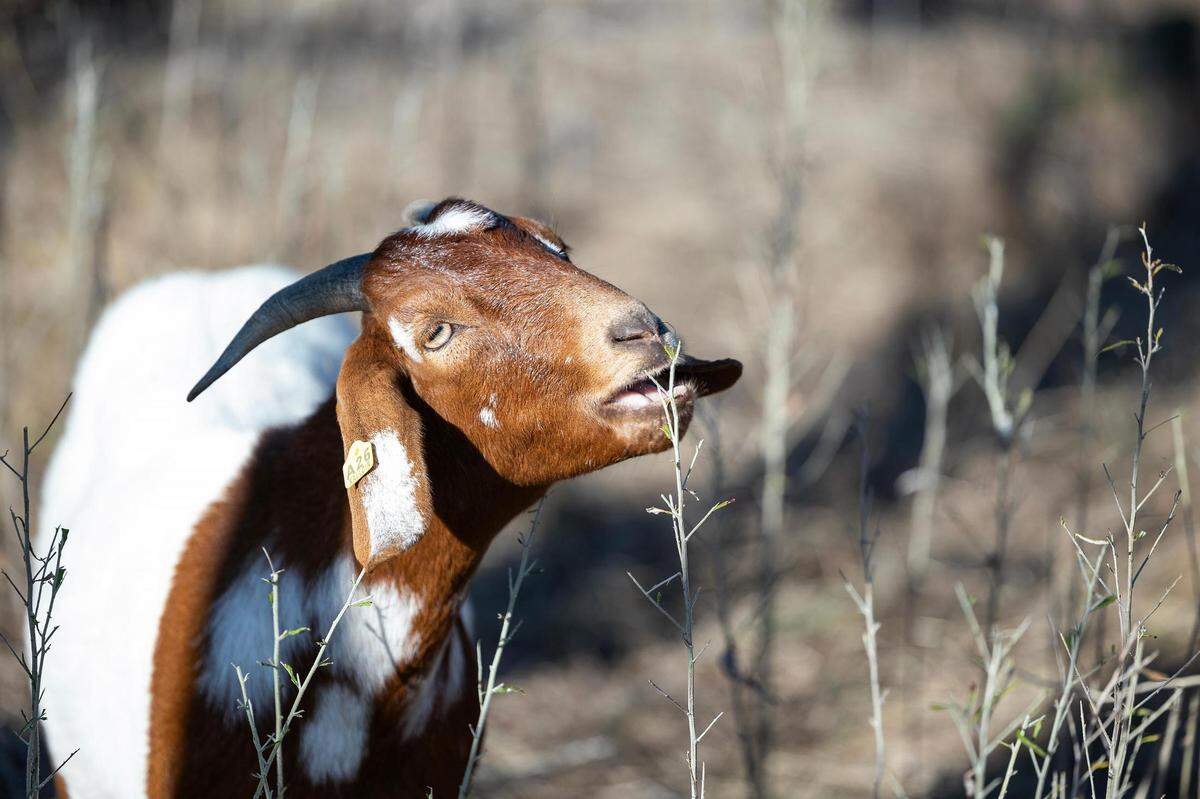
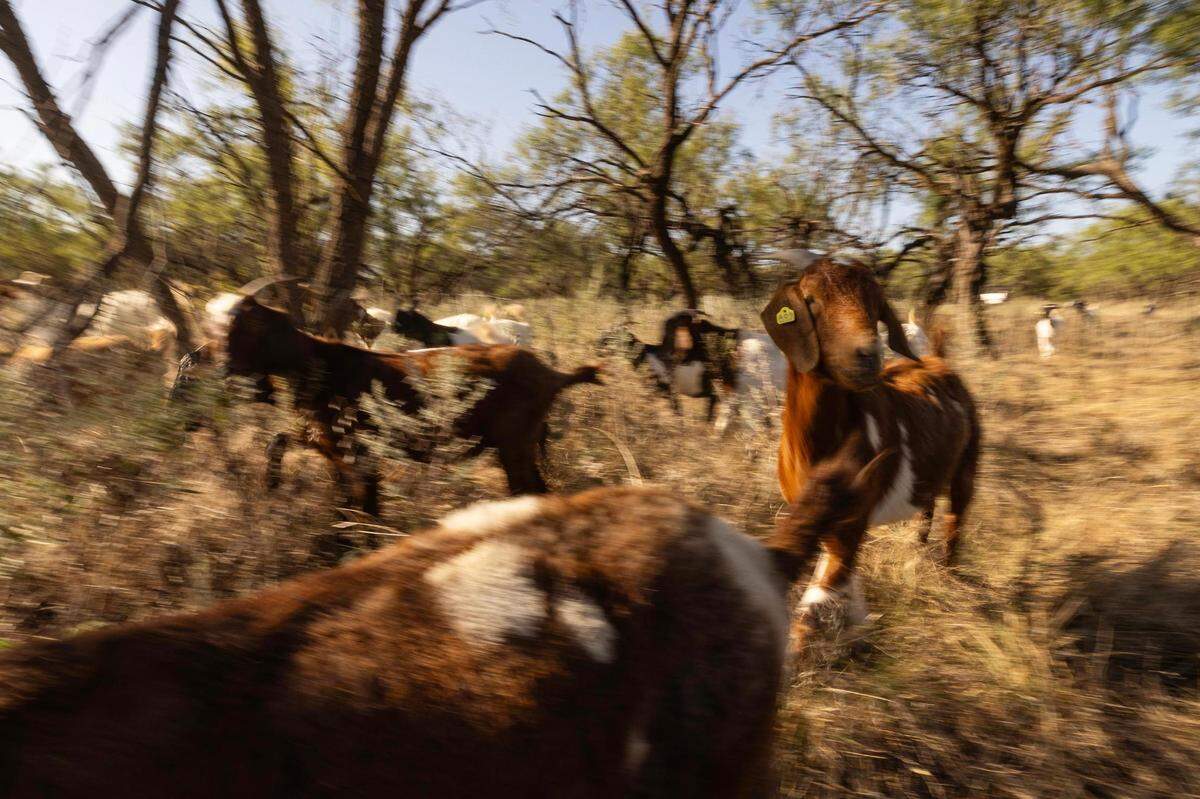
Wynonna is one of about 40 goats being tasked with eating dead weeds and grass for the Weatherford affiliate of Goats on the Go, a company made up of local, independently-owned goat grazing businesses that provide weed and brush control.
According to the Texas A&M Forest Service, there were around 20 brush fires near Fort Worth and surrounding counties resulting in over 2,700 acres burned in 2023.
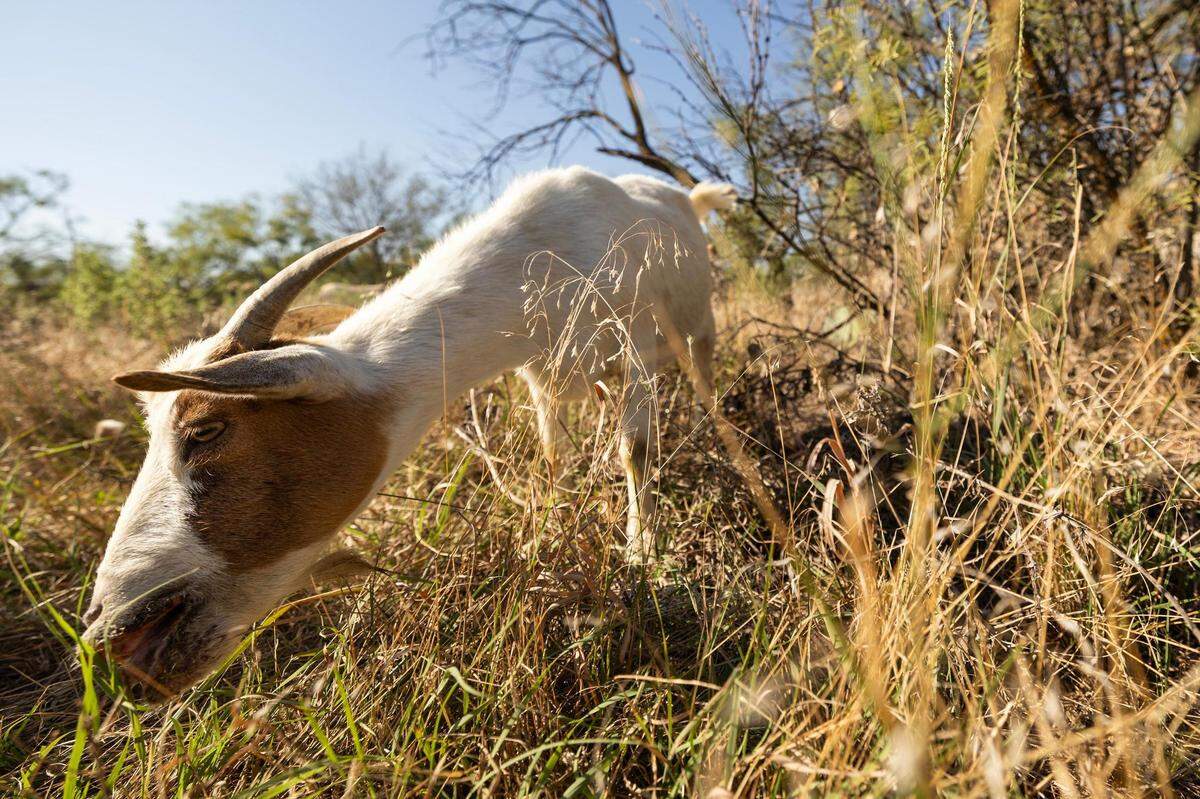
With February being the start of fire season in Texas, goat grazing can play a role in wildfire fuel management in rural areas.
John Walker, a professor emeritus and extension range scientist with the Department of Rangeland, Wildlife and Fisheries Management at Texas A&M University, said fire season in Texas begins in February, earlier than in other states, due to the state’s unique climate and weather conditions.
In Texas, Walker said, peak rainy season is in the spring and fall, which allows the vegetation to grow in the summertime. When temperatures drop in the winter, the soil dries and northern fronts bring in high winds.
“It’s dry,” said Walker. “You then have the windy conditions that will push that fire and make it very hard to control.”
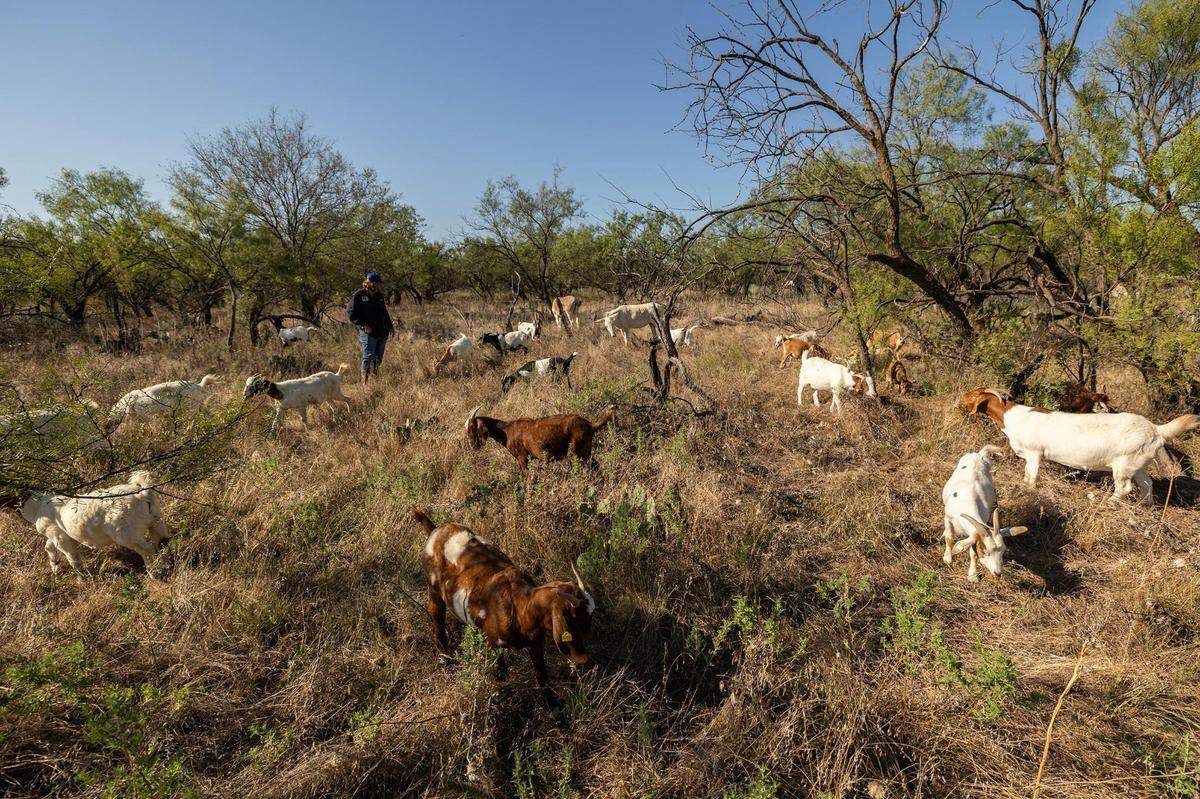
‘Their job is to eat’
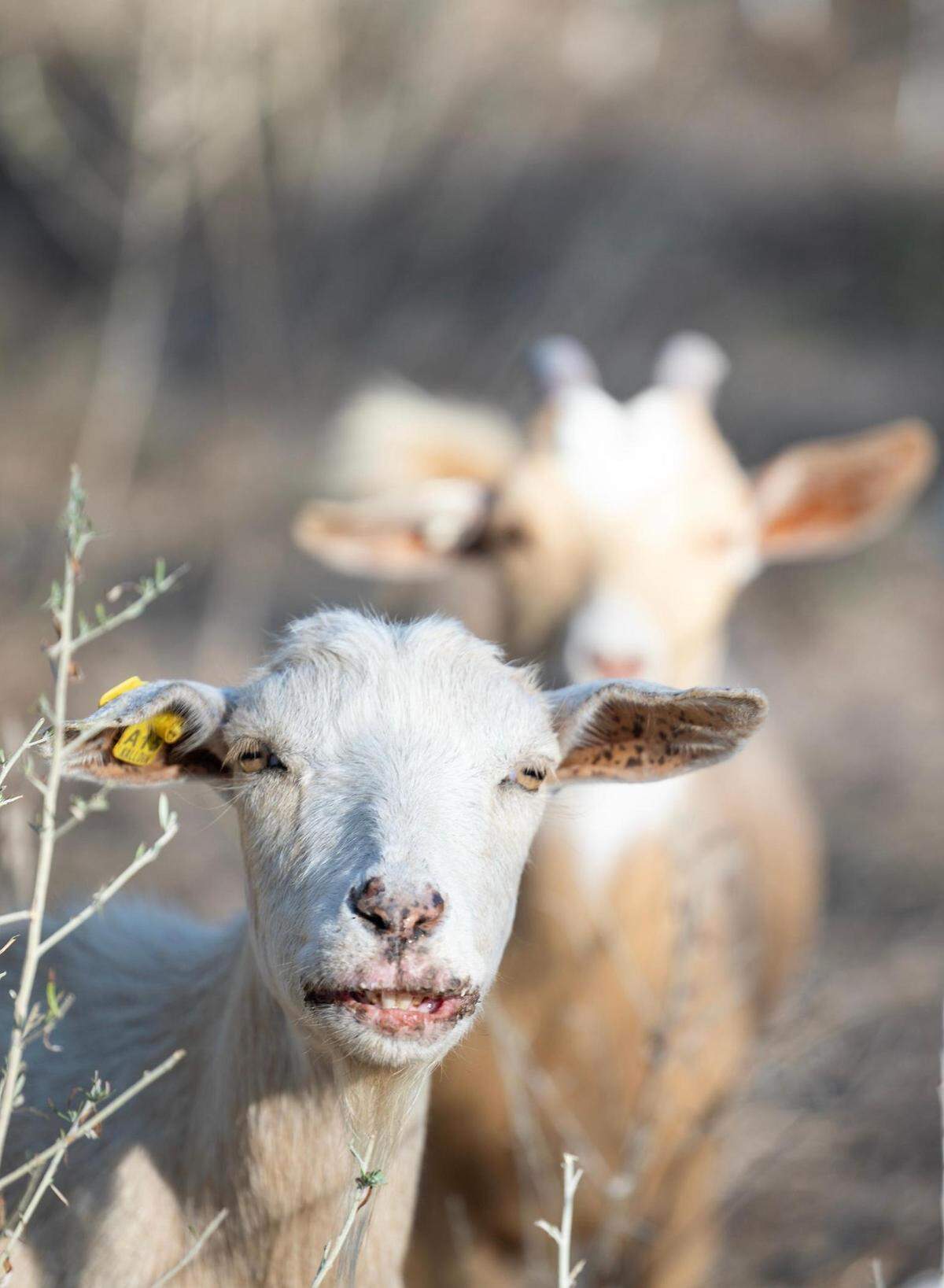
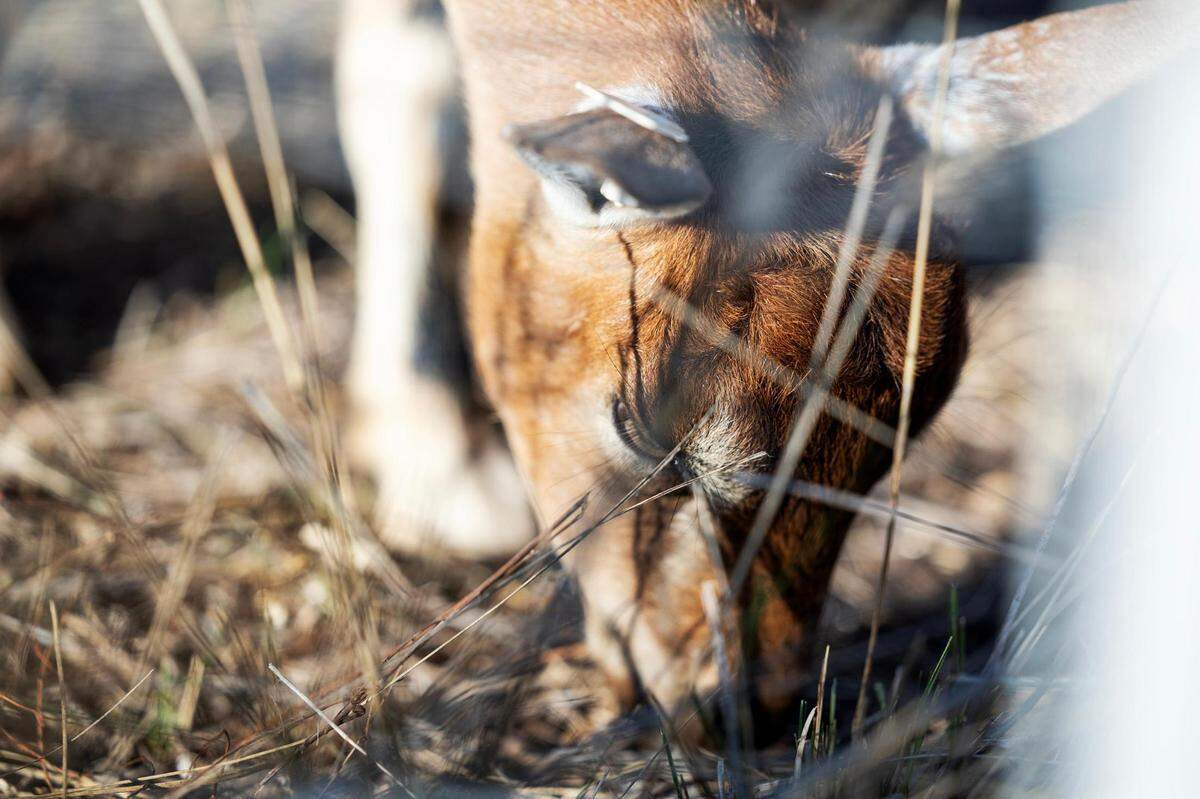
Every morning starting around 7 a.m. and throughout most of the day, the goats chomp at yellowed grasses, prickly bushes and dead vegetation — all which serve as fuel for brush fires.
“Their job is to eat,” said Greg Kalldin, the owner and operator of Goats on the Go Weatherford. “It’s pretty amazing what they will eat. They will eat just about anything that is out there on the ground for them.”
Walker said goats are used for brush clearance because they prefer eating weeds and dry foliage other animals don’t particularly enjoy.
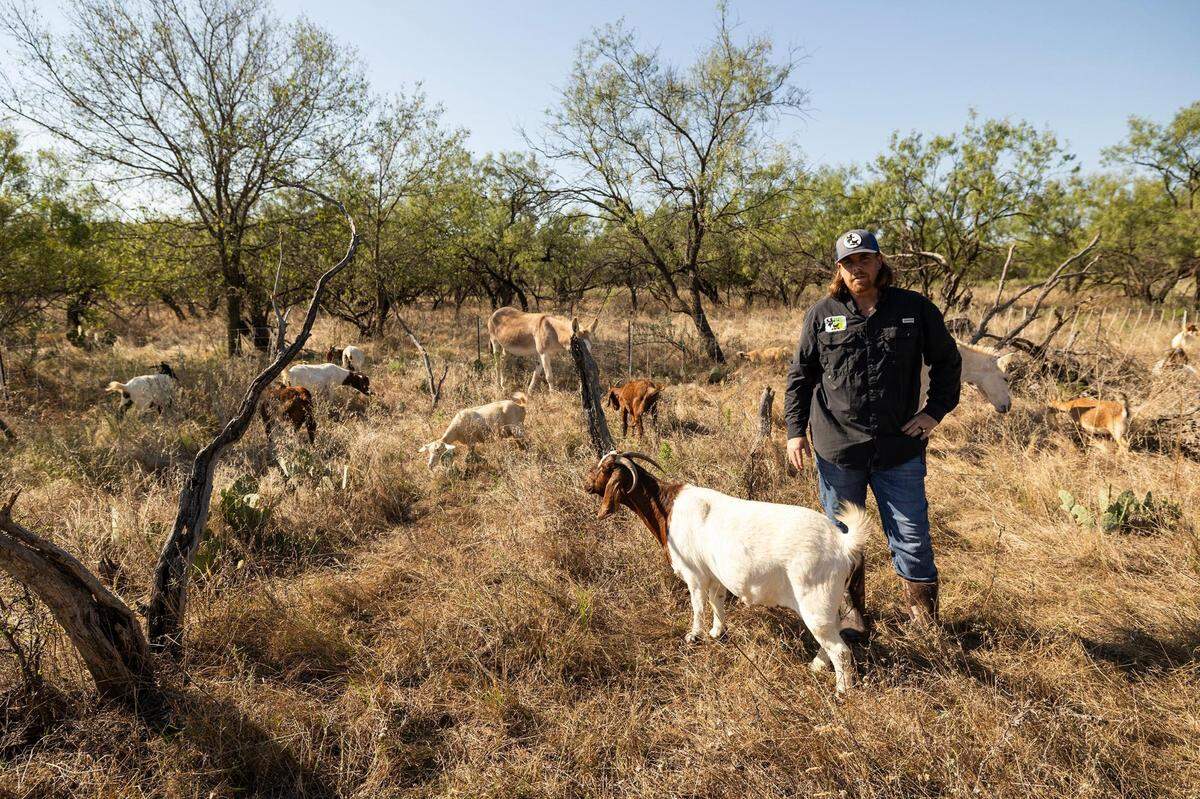
“Sheep and cattle tend to prefer more grass than goats do,” said Walker. “They are going to eat the woody plants more so than other types of livestock.”
Not only do they love to consume weeds, but their digestive system prevents the seeds from germinating after it has passed through their body.
“They only have a 0.002% chance of germinating when they hit the ground,” said Kalldin. “This allows the sun to hit the soil and allow the native plants and native grasses to come back and thrive after being choked out so long from weeds.”
Environmentally sustainable fire control
According to Kalldin, goats eat the weeds and clear the underbrush to prevent wildfires from spreading over hundreds and thousands of acres.
Along with eating the vegetation, Kalldin said goats could also get to locations where humans and machines can’t.
“They can get in areas that haven’t been touched in 10 to 15 years or maybe the brush is six, seven or eight feet tall where they can knock that down to a more manageable size or just completely eliminate it,” said Kalldin.
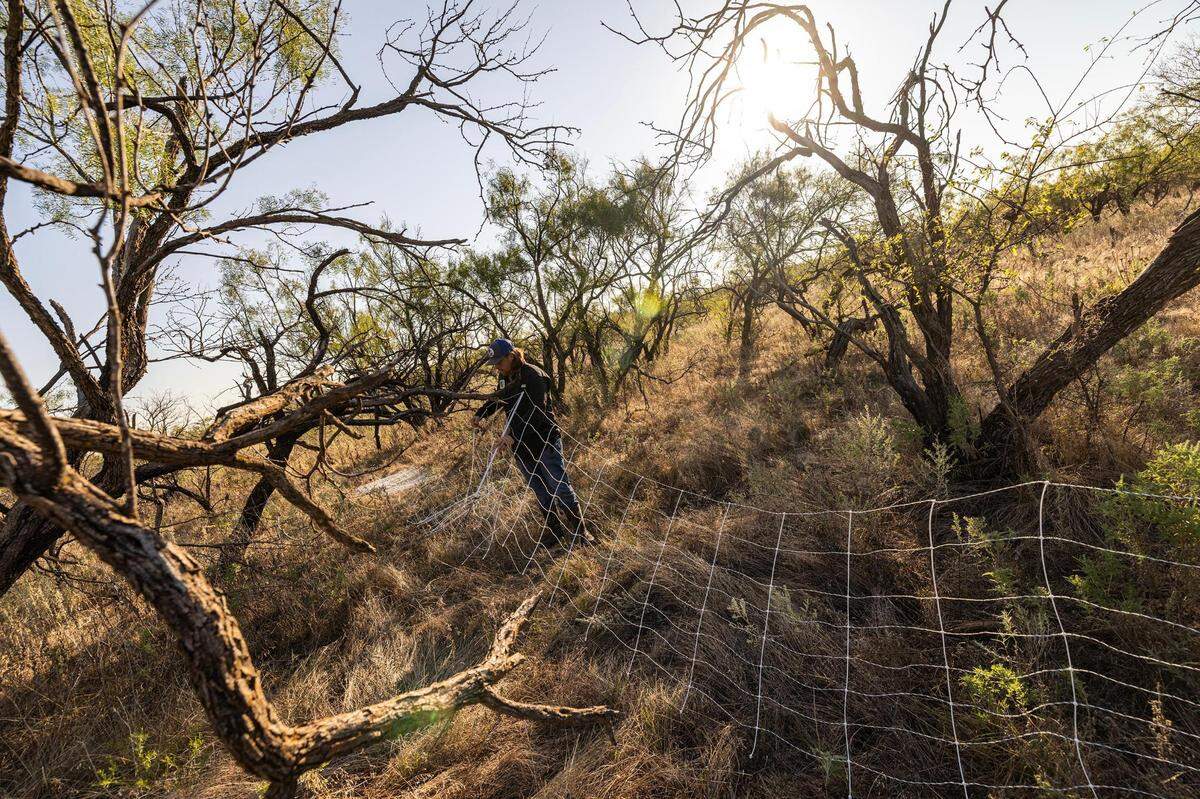
Goats are also an environmentally sustainable option compared to machines, according to Walker.
When goats graze the vegetation, they turn it into fertilizer that goes back into the soil helping retain the organic carbon in the soil.
“With [machines] or hand crews, you’re expending fossil fuels to get rid of the natural fuels that are on the ground,” said Walker.
As for the future of goat grazing, Walker is optimistic they could have a vital role in protecting rural neighborhoods from wildfires.
On Dec. 27, 2005, a wildfire decimated Cross Plains, burning over 6,800 acres and destroying 110 homes in the Callahan County city 45 miles southeast of Abilene.
In order to prevent another tragedy like Cross Plains, Walker proposed using goats to create a buffer 100 yards wide around rural communities.
“The fire would burn up to that area that was grazed and it doesn’t spread across it because there is insufficient fuels to carry the fire,” said Walker.