What happens next after the death of a beloved animal at the zoo? Here’s what we found out
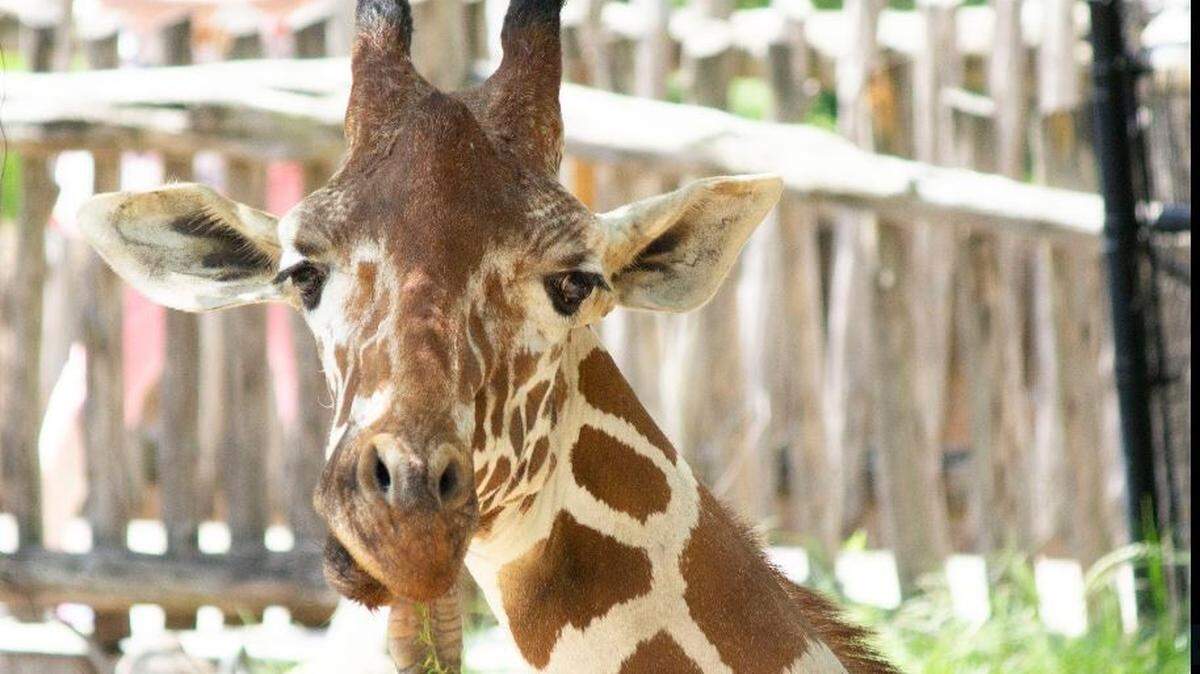
When the local zoo loses one of its beloved animals, the steps that follow may not be clear to the adoring public.
At the Dallas Zoo, a 15-year-old giraffe named Ferrell was euthanized Sunday because of an inability to repair his injured jaw, the zoo announced on X. The jaw dislocation, caused by a fall in the barn, made it nearly impossible for him to eat.
The Dallas Zoo’s accreditation comes from the Association of Zoos & Aquariums, which helps the zoo figure out next steps in the case of an animal like Ferrell the giraffe.
“AZA has an accreditation standard that reads zoos should perform a necropsy when they can, and they must follow local and federal laws when disposing of the remains,” AZA spokesperson Rob Vernon told the Star-Telegram. “So, how zoos comply with those standards varies from facility to facility.”
According to a spokesperson, the Dallas Zoo’s three steps following an animal’s death are: a necropsy, sample collection and cremation.
For every animal that passes away on Dallas Zoo grounds, the zoo conducts a necropsy, which is the animal equivalent of an autopsy, a spokesperson for the Dallas Zoo says. That gives the zoo valuable information — in the form or tissue samples, and/or a closer look at the animal’s organs and bones — that prepares it to take better care of living animals in the future.
Then, the zoo collects and shares tissue, bone or other samples with other institutions if there is a standing research request. The zoo has a log of research requests from around the globe and will contribute samples if applicable to those health and welfare research needs.
Because the zoo is cautious about any potential transmissible diseases, an animal’s body is usually incinerated on-grounds, the spokesperson said.