
Do you have to signal when making a lane change or turning in Texas? What state law says
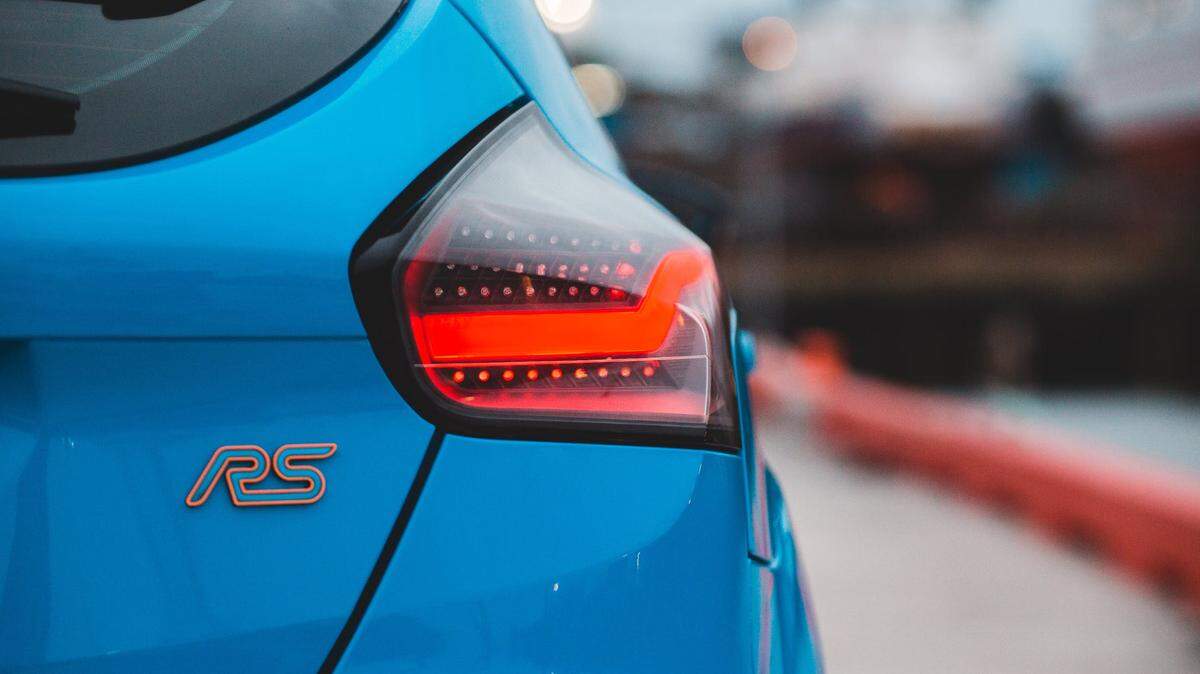
If you have spent any time in the Lone Star State, chances are you have heard complaints about how drivers in Texas do not seem to use their turn signals.
Is failing to use a turn signal against the law in Texas? Yes. And beyond the monetary fine for the traffic law violation, you may also be found at fault if your action causes an accident.
Yet these complaints get aired out on social media each year like clockwork, mostly as jokes.
A meme on X, formerly known as Twitter, just before Christmas says: “You’ve heard of elf on the shelf, but have you heard of using your turn signal?”
A commenter on the post quickly replies: “I’m sure half of texas drivers forget turn signals as soon as they get their license. Also stopping at stop signs is optional. And when you see a turn signal it means step on gas so they can’t get in front of you.”
The jokes have been coming for years. This X user used a post to illustrate how Texans use their turn signal switch: Cobweb building on the lever.
And yet another says: “If a car or truck is ‘Texas Edition’ that means it comes without turn signals.”
But seriously, is it against Texas law to not use your turn signals when changing lanes or making a turn? Here’s what the law says.
Texas law on use of turn signals
The Texas Transportation Code explicitly says: “An operator shall use the signal authorized by Section 545.106 to indicate an intention to turn, change lanes, or start from a parked position.”
The law states that a driver must signal continuously 100 feet before making the turn. Also, you may not use your turn signal “as a courtesy or “do pass” signal to the operator of another vehicle approaching from the rear.”
What’s the penalty for not using a turn signal in Texas
The amount of the fine will depend on where in Texas you receive the traffic citation. In Bexar County, for instance, the offense will cost you $210.
What other factors should drivers know about failure to use a turn signal?
If you are in an accident because you failed to indicate a lane change, you may be responsible for the damages. The other driver could file a claim which could mean the cost of the damages and your insurance rates will go up, according to the website of Fletcher Injury Law.
There is an exception to the rule, the law firm says: “Signaling the lane change could not be done safely given traffic conditions at the time.”
Here’s how the courts and insurance companies determine liability
Here are factors courts and insurance companies consider in attaching liability in an accident caused by a failure to signal lane change, according to the Fletcher Injury Law firm.
- Whether the at-fault driver used their turn signal before changing lanes.
- If the other driver had enough time to react and avoid the accident, a signal was used.
- Traffic conditions like visibility, traffic flow, and congestion at the time of the accident.
- The positions and movements of all vehicles involved before and at the moment of impact.
- Witness statements from passengers or other drivers regarding the events leading up to and during the accident.
If a driver is found to have not used a signal to make a lane change, the driver can be found primarily at fault for the accident.