Can you drive as fast as you want in Texas? What is the speed limit if not posted?
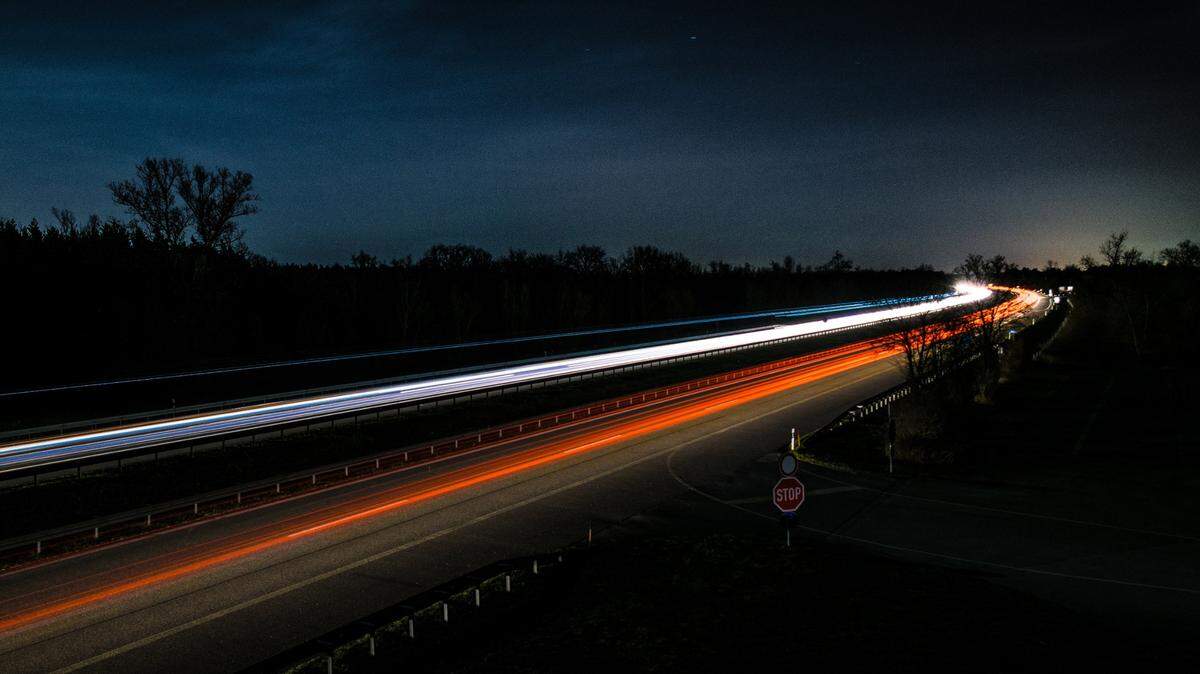
Texas is what many would consider a “driver-friendly” state, as its long roadways give drivers plenty of space to cruise.
But what happens when you haven’t seen a speed limit sign in miles? Can Texans drive as fast as they want with no repercussions?
Here’s what we know about speed limit laws in Texas:
What is the speed limit in Texas if not posted?
All Texas roadways have “prima facie” or default speed limits based on roadway type.
Under Texas Transportation Code section 545.352, the default speed limits for certain roadways are:
- Streets- 30 mph
- Alleys- 15 mph
- Highways- 70 mph
There are a few exceptions where a Texas highway’s speed limit can exceed 70 mph.
The Texas Transportation Commission is allowed to bump up the speed limit in certain sections to 75, 80 and 85 mph, according to the Texas Department of Transportation. The speed limit can be raised if the highway is deemed safe and reasonable after a traffic or engineering study.
Speed limits on state highways can be set by either the commission or by city government if its within city limits.
State Highway 130 between State Highway 45 in Austin and Interstate 10 in Seguin is where drivers can legally drive 85 mph, according to Driving Geeks. The 85 mph segment runs about 41 miles.
Can you be arrested for speeding in Texas?
Nope, as long as the driver signs the speeding ticket and says they will appear in court at a later date.
Under Texas Transportation Code section 543.004, there a few offenses where a police officer cannot arrest you:
- Speeding
- Texting and driving
- Having an open alcohol container
Drivers will likely be assigned a ticket from police for speeding, but they cannot be arrested because of it.
Can you drive as fast as you want and not be arrested for speeding?
No, not necessarily. While Texas law enforcement officers can’t arrest a person for speeding, they can for unsafe speed or reckless driving.
On unsafe speed, Texas Transportation Code section 545.351 states that, “An operator may not drive at a speed greater than is reasonable and prudent under the circumstances then existing.”
For example, if a driver is driving 25 mph over the speed limit they could be cited for unsafe speed rather than speeding, according to Trey Porter Law.
However, Texas law does not assign a numerical speed limit for the charge, only if the operator is driving at a speed that is “greater than is reasonable and prudent.”
The same example applies for reckless driving which happens when, “A person commits an offense if the person drives a vehicle in willful or wanton disregard for the safety of persons or property.”
A reckless driving offense carries a fine not to exceed $200 and or a maximum jail sentence of 30 days.
So, while drivers can’t be arrested for speeding, they can for unsafe speed or reckless driving.