Texas doctors finally have tools to prevent leading cause of hospitalization in infants
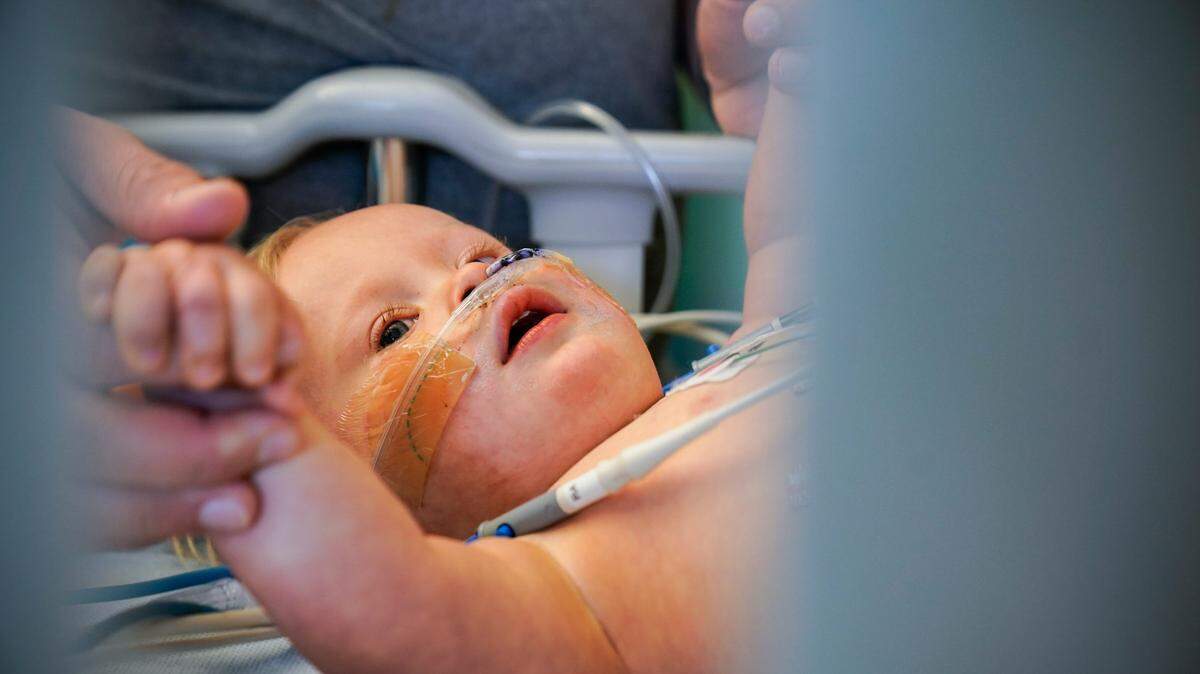
For decades, there has been nothing to protect people from respiratory syncytial virus, a seasonal illness that sends thousands of infants and older adults to the hospital every year.
But this year, there are vaccines to protect adults 60 and older, as well as a vaccine for pregnant mothers that protects newborns and a monoclonal antibody treatment that can be given to infants directly.
Together, these tools have given doctors and nurses more options.
“I feel very excited,” said Dr. Alice Phillips, a doctor with Cook Children’s Health Network in Fort Worth. “I imagine this is how physicians must have felt back in the day of polio” after the historic breakthrough of the polio vaccine.
Everyone gets infected with RSV at multiple points during their lives, and for most healthy adults, the virus causes only a cold.
But for children younger than 5 and adults older than 65, the virus can cause serious illness and even death. In a typical year, RSV causes at least 58,000 hospitalizations and between 100 and 300 deaths in children younger than 5, according to the U.S. Centers for Disease Control and Prevention. For people 65 and older, the virus causes at least 60,000 hospitalizations and 6,000 deaths each year.
Like the polio virus, scientists have long understood that RSV was dangerous for infants and older adults, and last year the virus contributed to a surge in visits to children’s hospitals in Texas. But there has been no way to prevent the disease, and no treatment specifically for the disease, until this year.
Federal regulators have approved two RSV vaccines that can be given to adults age 60 and older; a maternal vaccine given during pregnancy that can protect infants; and a monoclonal antibody treatment that can be given directly to an infant during or before RSV season.
All four interventions are either already available in Fort Worth or will become available in October.
Protecting infants
Historically, RSV has been best known as a virus that affects the very young. In infants, RSV causes an annual hospitalization rate of about 2,300 per 100,000. It’s the leading cause of hospitalization in infants in the U.S.
RSV is most worrisome for infants who are born prematurely and those with lung disease and complex congenital heart disease, Phillips said. The virus also causes higher rates of serious illness in American Indian and Alaskan Native infants.
The virus can cause pneumonia and bronchiolitis in young children, making it difficult for them to breathe.
Before this year, pediatricians had just one tool available: An injection that could help protect high-risk infants from serious lung disease caused by the virus. This treatment, however, is expensive, has to be given monthly, and is only available to infants at the highest risk of getting sick.
Now, pediatricians have a new injection, known by the brand name Beyfortus, which was approved by the FDA and recommended by the CDC this past summer. The injection is recommended for all infants who are younger than 8 months who are born during or just before their first RSV season. It can also be given to children who are between 8 and 19 months old and who are at increased risk of serious disease.
Phillips, who is leading the rollout of the treatment through the Cook Children’s Network, said she expects to start providing the medication in October.
In addition to Beyfortus, the CDC approved a second tool to protect infants last week: A maternal vaccine that can be given to mothers later in pregnancy if they will give birth during RSV season. The vaccine protects infants by immunizing the mother, who then passes antibodies to the child in the womb.
There are still some questions about how the rollout will work. The CDC has recommended that either the vaccine or the monoclonal antibodies be used to protect infants during their RSV season.
“It’s one or the other,” said Dr. William Schaffner, an expert in infectious disease at the Vanderbilt University School of Medicine. “Not both.”
He added that the upcoming RSV season, which typically starts in mid-October and lasts through February or March, will indicate whether parents are more interested in the maternal vaccination or in the monoclonal antibodies.
Protecting older adults
For adults 60 and older, the CDC has recommended that they talk with their doctor about whether they should get an RSV vaccine.
Th risk of serious disease from RSV increases with age and additional health conditions, said Dr. I. Carol Nwelue, medical director of hospital medicine at Baylor Scott & White All Saints Medical Center in Fort Worth.
In June, the CDC recommended two vaccines, one made by Pfizer and a second by GSK. Both were effective at preventing serious disease during clinical trials, Nwelue said. In the trials, the vaccine made by Pfizer reduced severe disease by 86% compared to a placebo. The vaccine developed by GSK reduced severe disease by 83%.
“Because of these trials, we’re really hopeful that we see a decrease in hospitalizations and deaths,” Nwelue said,
In clinical trials for both vaccines, there were rare but serious adverse events that happened after vaccination, although it’s not clear whether those adverse events were caused by the vaccines themselves or if they were random.
Where to get vaccinated
The RSV vaccines for adults over 60 are available now in most commercial pharmacies in Fort Worth.
Tarrant County Public Health will also provide the RSV vaccines, spokesperson Edrea Au said in an email, but the health department hasn’t yet received its shipment of vaccine.
The monoclonal antibody treatments for infants are expected to become available in October. Vaccines for pregnant mothers will likely be available later this year.
This story was originally published September 28, 2023 at 10:57 AM.